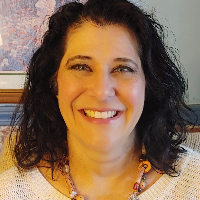
Dr. Nancy Kenyon Richardson, LCMHC
Calm, practical support for parents and caregivers
Book with Nancy- Years in practice
- 10
- Credentials
- LCMHC
- Licensed in
- Vermont
- Languages
- English
- Focus
- Addictions
- Focus
- Relationship issues
- Focus
- Trauma and abuse
About Nancy
Dr. Nancy Kenyon Richardson offers straightforward, practical help for people feeling overwhelmed by parenting challenges, addiction, trauma, anxiety, or major life changes. She speaks plainly and aims to make therapy feel manageable for busy parents and caregivers.
Her approach centers on understanding what is getting in the way and trying concrete steps to change it. Dr. Nancy holds a Ph.D. in psychology with a concentration in addiction and a master’s degree in psychology with a concentration in counseling.
Background and approach
She is a Licensed Clinical Mental Health Counselor (LCMHC) in Vermont and has a decade of clinical experience. Her research included recovery after medication-assisted treatment for opioid use, which shaped how she thinks about long-term recovery. In sessions she often explains how the brain responds to trauma and stress, so people can see why certain behaviors persist.
She helps clients identify the specific “hooks” from the past that keep problems alive, then practices new ways of responding. She mixes talking, education, and usable skills rather than long lectures. Dr.
Nancy draws on several therapeutic methods to match what a person needs. She aims to be direct and compassionate, and she encourages practical progress over perfection. If work stalls, she addresses that openly and looks for a different path.
Outside of her practice she has lived in Vermont for nearly 30 years and raises a family with a spouse. She values clear communication, curiosity about brain science, and helping people move toward recovery and healthier relationships.
What Nancy works with
Everything Nancy lists, in the therapist's own terms. Parenting is the reason this directory exists; the rest shows what else Nancy helps people with.
- Addictions
- Relationship issues
- Trauma and abuse
- Parenting issues
- ADHD
- Stress, Anxiety
- LGBT
- Family conflicts
- Grief
- Intimacy-related issues
- Eating disorders
- Anger management
- Self esteem
- Bipolar disorder
- Depression
- Coping with life changes
- Compassion fatigue
- Abandonment
- Adoption and foster care
- Antisocial personality
- Attachment issues
- Autism and Asperger Syndrome
- Avoidant personality
- Blended family issues
- Body image
- Caregiver issues and stress
- Chronic pain, illness, and disability
- Co-morbidity
- Codependency
- Communication problems
- Control issues
- Coping with natural or human-caused disaster
- Dependent personality
- Disruptive Mood Dysregulation Disorder (DMDD)
- Dissociation
- Divorce and separation
- Domestic violence
- Drug and alcohol addiction
- Family of origin issues
- Family problems
- Forgiveness
- Gender dysphoria
- Guilt and shame
- Hospice and end-of-life counseling
- Impulsivity
- Infidelity
- Mood disorders
- Multicultural concerns
- Narcissism
- Obsessions, compulsions, and OCD
- Panic disorder and panic attacks
- Paranoia
- Personality disorders
- Phobias
- Postpartum depression
- Post-traumatic stress
- Pregnancy and childbirth
- Prejudice and discrimination
- Seasonal Affective Disorder (SAD)
- Self-harm
- Self-love
- Sexual assault and abuse
- Sexuality
- Women's issues
- Young adult issues
Approaches Nancy lists
- Client-Centered Therapy
- Cognitive Behavioral Therapy (CBT)
- Dialectical Behavior Therapy (DBT)
- Existential Therapy
- Eye Movement Desensitization and Reprocessing (EMDR)
- Gottman Method
- Mindfulness Therapy
- Motivational Interviewing
- Narrative Therapy
- Solution-Focused Therapy
- Trauma-Focused Therapy
Listing an approach is not evidence of training in it. This directory copies what each therapist names and does not check training records.
How therapeutic approaches shape online care
Client-Centered Therapy focuses on listening and reflecting what matters most to the individual, helping people feel heard and guiding them to their own solutions. It works well for parents and caregivers who want a safe space to talk through daily challenges and make choices that fit their values.Cognitive Behavioral Therapy, or CBT, breaks problems into thoughts, feelings, and actions and teaches specific skills to change them. CBT is useful for anxiety, depression, stress, and behavior patterns linked to parenting or addiction. Dialectical Behavior Therapy, or DBT, emphasizes emotion regulation, distress tolerance, and improved communication, which can help with intense emotions and relationship stress.
Choosing the right approach is often a team effort. The therapist will discuss goals, try methods that suit those goals, and adjust as progress is made. That collaborative process helps find what actually helps rather than sticking to one method regardless of results.
Online therapy with video calls, phone sessions, live chat, or text-based messaging offers flexibility. Video is good for full conversations and visual cues, phone works well when bandwidth is limited, chat is fast for check-ins, and messaging lets people reflect in writing between sessions. These options make it easier to fit therapy into busy family schedules and maintain continuity when life gets hectic.
Questions people ask about Nancy
What concerns does she address?
She works with many concerns including addictions, trauma and abuse, parenting stress, anxiety, depression, relationship and intimacy issues, grief, and caregiver strain.
What is her general therapy style?
Her style is direct and practical, combining talk therapy with psychoeducation about the brain and hands-on skills training to change unhelpful patterns.
How much clinical experience does she have?
She has ten years of experience as a clinician and research background in addiction recovery following medication-assisted treatment.
What credentials and region does she represent?
She holds a Ph.D. in psychology and is a Vermont Licensed Clinical Mental Health Counselor (LCMHC) practicing from Vermont.
Which languages and international options are available?
Sessions are offered in English and international clients are not currently accepted.
In what formats are sessions offered?
She offers video calls, phone sessions, live chat, and text-based messaging to fit different schedules and needs.
How are costs and billing handled?
Cost varies with location and therapist availability; sessions use a subscription model that can be canceled at any time.
How do I begin working with her?
Begin by selecting the Start Therapy button, completing a short matching questionnaire, and scheduling according to therapist availability.
More therapists for parents in Vermont
All in Vermont
Jennifer Radler Dobrin
LCMHC
Vermont 10 years in practice
Calm practical care for stress and parenting
- Stress, Anxiety
- Addictions
- Relationship

Maramonie King
LCMHC
Vermont 8 years in practice
Compassionate, practical support for parents and relationships
- Relationship
- Family
- Trauma and abuse

Kirk Postlewaite
LCMHC
Vermont 6 years in practice
Practical therapy for parents and life strain
- Stress, Anxiety
- Trauma and abuse
- Anger