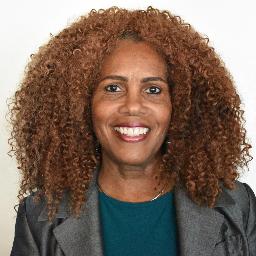
Dr. Shannon Holliker
LCSW
Florida 12 years in practice
Calm, practical support for parents and stress
- Stress, Anxiety
- Self esteem
- Coping with life changes
Therapists for parents
2,768 therapists list both parenting and adoption among the things they work with. All offer sessions online; each profile shows the states they are licensed in.
Browse therapists and counselors who focus on adoption-related issues, from attachment and identity to grief and birth-family dynamics. Use the listings below to review approaches, experience, credentials, and languages as you look for a therapist who fits your needs.
LCSW
Florida 12 years in practice
Calm, practical support for parents and stress
LPC
Arkansas 9 years in practice
Calm guidance for stressful parenting seasons
LPC
Texas 10 years in practice
Supportive counselor who tailors therapy to you
LPC
Missouri 27 years in practice
Kind, practical help for parents and adults
LSCSW
Kansas 12 years in practice
Calm, practical support for parenting challenges
LCSW
Louisiana 30 years in practice
Compassionate social worker helping parents and individuals
LPC
Texas 12 years in practice
Compassionate counselor for parenting and life changes
LPC
Oklahoma 3 years in practice
Thoughtful counselor blending change and acceptance
LPC
Idaho 40 years in practice
Experienced counselor for parenting stress
LCSW
Florida 6 years in practice
Supportive LCSW for practical parenting challenges
California 22 years in practice
Calm, practical therapy for parenting and life stress
Texas 3 years in practice
Calm, practical support for parenting and life strain
LCSW, LISW-CP
North Carolina 10 years in practice
Faith-friendly social worker for practical change
Missouri 12 years in practice
Practical support for stress and parenting challenges
LPC
Louisiana 28 years in practice
Calm, practical counseling for real-life parenting challenges
LPCC
New Mexico 35 years in practice
Compassionate, practical support for parenting and life changes
LPC
Texas 25 years in practice
Supportive counseling for parenting and family life
LPC
Wisconsin 8 years in practice
Compassionate counselor focused on practical growth
LMHC
Florida 32 years in practice
Compassionate counselor for everyday challenges
LCSW
Texas 21 years in practice
Practical, culturally aware therapy for everyday challenges
LCPC
Illinois 25 years in practice
Support for stress, grief, and parenting challenges
LMHC
New York 25 years in practice
Compassionate support for parenting and life stress
KS Psychologist
Kansas 24 years in practice
Practical, experienced psychologist for parenting support
LMFT
Florida 4 years in practice
Practical parenting support with goal-focused care
LICSW
Alabama 40 years in practice
Experienced LICSW focused on parenting and stress
LMFT
Oklahoma 22 years in practice
Practical support for parenting and life stress
LCSW
Illinois 37 years in practice
Practical, person-centered therapy for parenting concerns
LMHC
Washington 50 years in practice
Supportive LMHC blending attachment and cognitive approaches
LCSW
Arizona 26 years in practice
Calm, practical support for parenting and life changes
LICSW, LCSW, CSW
Georgia 7 years in practice
Practical support for stress and parenting challenges
LPC
Tennessee 37 years in practice
Compassionate counselor focused on practical change
LCSW
Wisconsin 13 years in practice
Practical supportive therapy for everyday parenting pressures
LCSW
California 13 years in practice
Guided, practical support for parenting and personal growth
LPC
Alabama 26 years in practice
Practical counseling for parenting and daily stressors
Louisiana 12 years in practice
Compassionate help for parenting and family stress
LCSW
Virginia 38 years in practice English, Spanish
Experienced therapist for parenting and trauma
Missouri 45 years in practice
Collaborative, experienced counselor for parenting concerns
LCSW
Illinois 41 years in practice
Experienced, practical therapist for parenting challenges
LPC
Texas 11 years in practice English, Spanish
Calm, practical support for parenting challenges
LCSW, CSW
Colorado 5 years in practice
Support for parents and life changes
LMHC
Florida 25 years in practice
Compassionate, practical therapy for parents
LMHC
Indiana 11 years in practice
Practical, collaborative care for parenting and life stressors
LCSW
California 20 years in practice
Practical therapy for parenting and life stress
LCPC
Illinois 10 years in practice
Helping parents find clearer breathing room
LMHC
Florida 16 years in practice
Calm, practical support for parenting and life changes
LISW
Ohio 17 years in practice
Experienced Ohio LISW focused on practical parenting support
LPC
New Jersey 25 years in practice
Compassionate, practical support for parenting challenges
LMHC
Hawaii 20 years in practice
Practical, skills-based counseling for parenting stress
Some links on this page are partner links. We will earn a commission if you sign up through one, at no cost to you. It does not change what you pay or the order of the listings.
Adoption is a life event that can shape identity, relationships, and family roles across the lifespan. Whether you are an adoptee, an adoptive parent, a birth parent, or a family member, adoption may bring joys, questions, and challenges that are different from other life experiences. You may find yourself navigating attachment patterns that developed before placement, wrestling with questions about origins and identity, or managing complex feelings connected to loss and belonging. For adoptive parents, welcoming a child through adoption can stir concerns about bonding, behavior, and how to support a child’s emerging sense of self. Birth parents often face grief, regret, or ongoing curiosity about the child’s life. Extended family members sometimes must reconcile cultural expectations with the realities of an adopted child’s needs.
These experiences can be influenced by the type of adoption - international, domestic infant, foster care, or kinship adoption - and by factors such as age at placement, history of trauma, and cultural or racial differences between child and family. Adoption also intersects with societal narratives about family, genetics, and belonging, which may leave you feeling misunderstood or unsure where to turn. Therapy can provide a chance to examine how adoption shapes your sense of self and relationships, and to develop strategies for managing emotion and building connections that feel authentic.
You might seek therapy when emotions related to adoption begin to affect daily life, relationships, or parenting. If you are an adoptee, you may notice persistent questions about identity, difficulty trusting others, or sudden anger or withdrawal that you cannot easily explain. You might struggle with recurring dreams, intrusive thoughts about rejection, or a sense that your life story has important gaps. As a parent, you may feel stuck when your child resists closeness, displays intense behavioral challenges, or has repeated transitions that trigger strong reactions. You might also experience confusion about how to talk about adoption, how to support contact with birth family, or how to handle racial and cultural differences in transracial adoption.
Other signs that therapy may help include persistent grief that does not ease with time, relationship strains that keep repeating, or a history of trauma that affects your sense of safety and attachment. You may also seek support during key milestones - adolescence, questions about medical or genetic history, or when making decisions about reunification or contact. Therapy is not only for crisis moments; many people find it valuable to work with a professional to explore identity, prepare for conversations with family, or learn strategies to strengthen attachment and emotional regulation.
In the first few sessions you can expect a focus on understanding your story and what brought you to therapy now. A therapist will typically ask about your adoption history, family context, major life events, and current concerns. You will have the chance to describe what you hope to change or understand better, and to share any cultural or identity factors that are important to you. The early phase of therapy is often about building a working relationship and clarifying goals, so you and your therapist can decide on a path that fits your needs.
As therapy continues, you may explore attachment patterns, grief related to separation and loss, questions of belonging and identity, and how adoption intersects with race, culture, or genealogy. Sessions might involve exploring memories, learning practical parenting strategies, practicing communication about adoption with family members, or developing skills for emotional regulation. You may also work on preparing for reunification conversations or on navigating contact with birth family. Therapy can be individual, family-based, or involve the child and parents together, depending on what you and your therapist determine will be most helpful.
There is no single approach that fits every person dealing with adoption questions. You may encounter therapists who list attachment-based therapy among their approaches, which often focuses on how early relationships shape trust and emotional regulation. Some therapists describe a trauma-informed perspective, which pays attention to how early adversity affects the nervous system and relationships. Narrative approaches invite you to tell and reframe the stories that shape your identity, while family systems perspectives look at how patterns between family members maintain or change over time. Play therapy and child-centered approaches may be used when working with younger children to help them process emotions in developmentally appropriate ways.
You might also find therapists who list cognitive-behavioral strategies as part of their work, helping you identify unhelpful thought patterns and experiment with new behaviors. Approaches such as emotion-focused therapy can help you access and express difficult feelings, and therapies that involve life-history exploration can support identity work for adoptees. When you read profiles, look for descriptions that match how you prefer to work - whether you want practical tools, reflective exploration, family involvement, or a combination. Remember that a therapist’s listed approaches do not by themselves guarantee a match; how they describe their work and how comfortable you feel with them are equally important.
Online therapy can be an effective way to address adoption-related concerns when geographic distance, scheduling, or access to specialized providers are factors. You can participate in sessions from a location that feels comfortable to you, using video or telephone formats that allow you and your therapist to maintain continuity even if life circumstances change. Online sessions can be especially helpful for connecting with clinicians who have experience with adoption across different regions or cultural contexts, enabling you to find someone whose approach and background align with your needs.
When engaging in online therapy, you and your therapist will talk about practical details such as technology, session length, and what to do in the event of a crisis. You may use video to work through conversations with family members, or you might find phone sessions less intrusive when addressing sensitive memories. Some therapeutic interventions translate well to remote formats, while others that rely on in-person activities can be adapted creatively. It is reasonable to expect discussion about boundaries, communication preferences, and how to create a comfortable setting at home for your sessions.
Finding a therapist who fits your needs often starts with clarifying what you want help with - identity questions, attachment, parenting strategies, grief, or reunification work. Look for profiles that describe experience with adoption-related themes, and pay attention to how therapists talk about race, culture, and family diversity if those areas matter to you. Consider whether you prefer a therapist who emphasizes practical skills, emotional exploration, or family systems work, and note any languages offered if that helps preserve cultural connections.
It is helpful to review how therapists describe their approach and to look for phrasing that matches your expectations. Many profiles will indicate the modalities they sometimes use - for example, therapists who list EMDR among their approaches or those who mention narrative or attachment-focused work - and that can help you identify clinicians to explore further. Thinking ahead to logistics that matter to you - session length, communication style, and whether you want family-based or individual sessions - will make it easier to compare profiles. Finally, trust your response when you speak with a therapist; a good match often depends on how understood and respected you feel when you begin the work.
Adoption brings a complex mix of loss, connection, and identity that can evolve over time. Whether you are exploring your own story, supporting a child through development, or navigating contact with birth family, therapy can offer a space to process emotion and build strategies for meaningful relationships. Use the listings on this page to learn about different therapists' approaches, credentials, and languages so you can find someone whose perspective fits the work you want to do.