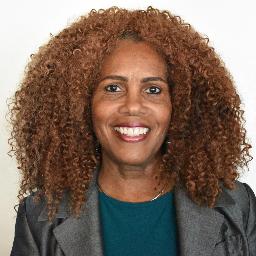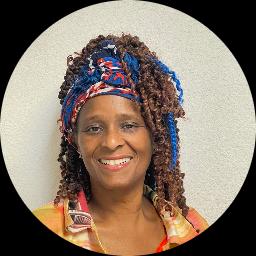
Jamie Daugherty
LPC
Arkansas 9 years in practice
Calm guidance for stressful parenting seasons
- Stress, Anxiety
- Family
- Self esteem
Therapists for parents
3,074 therapists list both parenting and multicultural concerns among the things they work with. All offer sessions online; each profile shows the states they are licensed in.
This page lists therapists who focus on multicultural concerns, including cultural identity, discrimination, migration stress, and cross-cultural family dynamics. Browse the listings below to review profiles, languages, approaches, and experience that may match your needs.
LPC
Arkansas 9 years in practice
Calm guidance for stressful parenting seasons
LPC
Texas 10 years in practice
Supportive counselor who tailors therapy to you
LMFT
Hawaii 20 years in practice
Calm, practical support for parenting challenges
LMHC
Florida 25 years in practice English, French
Therapist focused on practical healing
LPC
Missouri 27 years in practice
Kind, practical help for parents and adults
LPC
Oklahoma 6 years in practice
Compassionate, practical support for parenting and life challenges
LSCSW
Kansas 12 years in practice
Calm, practical support for parenting challenges
LCSW
Louisiana 30 years in practice
Compassionate social worker helping parents and individuals
LPC
Texas 12 years in practice
Compassionate counselor for parenting and life changes
LMHC
Florida 20 years in practice
Calm, practical care for life's transitions
LPC
Idaho 40 years in practice
Experienced counselor for parenting stress
LPC
Louisiana 5 years in practice
Practical support for stressful life transitions
California 22 years in practice
Calm, practical therapy for parenting and life stress
Texas 3 years in practice
Calm, practical support for parenting and life strain
LCSW
New York 25 years in practice English, Spanish
Practical skills for stress and parenting challenges
LPC
Texas 25 years in practice
Supportive counselor for parents and families
LCSW, LISW-CP
North Carolina 10 years in practice
Faith-friendly social worker for practical change
LMHC
Florida 15 years in practice
Calm, practical support for life’s hard moments
Missouri 12 years in practice
Practical support for stress and parenting challenges
LPC
Georgia 15 years in practice
Practical counseling for stress and parenting concerns
LPC
Colorado 26 years in practice English, Spanish
Warm counselor focused on family and parenting support
LCSW
California 12 years in practice English, Spanish
Client-centered therapist for parenting concerns
LPC
Texas 37 years in practice
Compassionate counselor using creativity and insight
LCSW, LISW
Pennsylvania 30 years in practice
Experienced LCSW focused on practical parenting support
LPC
Oklahoma 5 years in practice
Helping parents manage stress and change
LMFT
Hawaii 30 years in practice
Calm guidance for parenting and life changes
LPCC
New Mexico 35 years in practice
Compassionate, practical support for parenting and life changes
LPC
Wisconsin 8 years in practice
Compassionate counselor focused on practical growth
MD, LCPC
Maryland 25 years in practice
Support for parents facing stress and change
LCSW
Wisconsin 20 years in practice
Calm, practical support for parenting stress
Virginia 25 years in practice
Compassionate, experienced psychologist for parenting concerns
LMHC
Florida 32 years in practice
Compassionate counselor for everyday challenges
LCSW, CSW
Colorado 23 years in practice
Experienced Colorado LCSW focused on parenting support
LCSW
Texas 21 years in practice
Practical, culturally aware therapy for everyday challenges
LMHP
Nebraska 25 years in practice
Compassionate therapist focused on practical parenting support
Mississippi 22 years in practice
Compassionate counselor for parenting and life stress
LICSW
Alabama 40 years in practice
Experienced LICSW focused on parenting and stress
LCSW
Illinois 37 years in practice
Practical, person-centered therapy for parenting concerns
LMHC
Washington 50 years in practice
Supportive LMHC blending attachment and cognitive approaches
Oklahoma 7 years in practice
Supportive counselor for parenting and life change
LCSW
Arizona 26 years in practice
Calm, practical support for parenting and life changes
LICSW, LCSW, CSW
Georgia 7 years in practice
Practical support for stress and parenting challenges
LCSW
Mississippi 12 years in practice
Supportive LCSW focused on practical change
LPC
Tennessee 37 years in practice
Compassionate counselor focused on practical change
LPCC
Ohio 18 years in practice
Practical, collaborative therapy for life and parenting challenges
LPC
Texas 7 years in practice English, Spanish
Compassionate, practical counseling for everyday struggles
LCSW
California 13 years in practice
Guided, practical support for parenting and personal growth
Texas 7 years in practice
Compassionate, practical support for daily struggles
Some links on this page are partner links. We will earn a commission if you sign up through one, at no cost to you. It does not change what you pay or the order of the listings.
Multicultural concerns refer to the emotional, relational, and practical challenges that arise when culture, identity, and social context intersect. These concerns can include questions about racial and ethnic identity, religious and spiritual differences, immigration and acculturation stress, language barriers, experiences of bias or microaggressions, and differing expectations between generations or cultural groups. When you are negotiating more than one cultural world - for example, the culture of your family and the culture of your workplace or school - the resulting tension can influence how you relate to others, how you make decisions, and how you feel about yourself.
The effects of multicultural stress may show up as persistent anxiety about fitting in, strained relationships with family members who hold different cultural expectations, or a sense of isolation when your experiences feel misunderstood by peers or practitioners. You might find that events linked to discrimination or identity-based conflict continue to surface in your thoughts and emotions. For parents, multicultural concerns frequently center on how to raise children with dual cultural influences, how to explain cultural heritage, or how to respond when children experience bias at school. All of these experiences are valid and often benefit from focused attention in therapy that recognizes cultural context as central rather than peripheral.
If you are wondering whether therapy could help, there are several common indicators that multicultural issues are contributing to distress. You may notice recurring thoughts about belonging and identity that interfere with daily life. Interpersonal conflicts tied to cultural expectations - for example, disagreements with family members over values, traditions, or parenting - can be a sign that additional support would be useful. If experiences of discrimination or microaggressions have left you feeling hypervigilant, angry, numb, or drained, talking with a therapist who understands cultural dynamics can offer new ways to process those experiences.
Another sign is difficulty navigating systems where your background is less represented, such as workplaces, schools, or medical settings. You might feel unseen or misunderstood when discussing cultural matters with others, including other helping professionals. For parents, ongoing concern about how to transmit cultural heritage while helping children adapt to a broader cultural environment can create chronic stress. If these patterns are affecting your mood, relationships, parenting, or sense of self, seeking therapists who list multicultural concerns as a focus can connect you with practitioners who prioritize cultural context in their work.
When you begin therapy for multicultural concerns, the initial sessions typically involve creating a space to tell your story with attention to cultural context. A therapist will likely ask about your family history, migration narrative if relevant, language practices, spiritual or religious background, and experiences where culture affected your sense of wellbeing. You can expect the work to center on understanding how cultural identities shape your values, communication patterns, and expectations. This narrative orientation helps ground strategies in what matters to you rather than applying one-size-fits-all solutions.
Therapy often involves exploring how you make meaning of cultural experiences, including painful encounters like discrimination and intergenerational conflict. You may work on building skills to cope with stress tied to cultural identity, develop language to express cultural needs in relationships, or practice ways to advocate for yourself in systems that do not reflect your background. Sessions can also include joint work with family members when shared cultural tensions are at play, always with attention to your goals and boundaries. The pace is determined by you, and therapists typically collaborate on priorities such as identity integration, emotional regulation, communication, or parenting strategies that honor multiple cultural influences.
Therapists draw from a range of approaches when addressing multicultural concerns, and many integrate methods to match the needs of each person or family. Some therapists emphasize multicultural counseling frameworks that place culture, power, and identity at the center of assessment and intervention. Others combine narrative techniques to help you re-author identity stories, cognitive-behavioral strategies to address stress and thinking patterns, or family systems approaches to work through intergenerational dynamics.
It is common to find therapists who list EMDR among their approaches for trauma that has a cultural component, or therapists who list acceptance and commitment approaches to help you live according to clarified values across cultural contexts. Psychodynamic perspectives can be used to explore how family history and cultural messages shape current relational patterns, while community-oriented methods may focus on social support, advocacy, and connection to cultural resources. When reviewing therapist profiles, note which approaches are listed and how those approaches are described in relation to cultural work, keeping in mind that listing an approach does not by itself indicate formal certification or a particular outcome.
Online therapy can expand your options when seeking culturally attuned care. Through video or messaging formats, you can connect with therapists who speak your language, share relevant cultural backgrounds, or have experience with the specific challenges you face, regardless of geographic boundaries. Online formats allow you to schedule sessions from home, coordinate with family members in different locations, or meet with a clinician who understands a particular diasporic experience. Technology also creates possibilities for blended work, such as combining synchronous sessions with written reflections sent between meetings.
When choosing a therapist for multicultural concerns, consider several practical factors that affect fit. Read profiles for information about the populations they mention, languages spoken, and how they describe their approach to culture and identity. Look for therapists who explicitly acknowledge the role of identity and power dynamics in their descriptions. Pay attention to how they discuss family dynamics, immigration experience, or community context if those areas are relevant to you. It can help to prioritize a therapist whose stated values and methods align with your goals, whether you want a space to explore identity, learn communication strategies for family relationships, or process experiences of bias.
Another important consideration is how comfortable you feel during an initial conversation or consultation. Trust and rapport matter, and it is reasonable to seek a therapist who listens to your cultural story and validates your perspective. If you are a parent, think about how a therapist frames support for cross-cultural parenting, including helping children navigate dual identities and schooling contexts. Finally, consider logistical elements such as session format, language, and whether the clinician mentions community resources or culturally relevant referrals. These practical elements shape the therapeutic relationship and help you get the most from work on multicultural concerns.
Addressing multicultural concerns in therapy means centering the cultural dimensions of your life rather than treating them as side issues. Whether you are navigating identity questions, intergenerational tensions, or the emotional fallout of bias, focused therapeutic work can help you clarify values, strengthen communication, and find ways to thrive across cultural settings. Use the listings above to review therapists who mention multicultural concerns in their profiles and select clinicians whose approaches and backgrounds align with what matters most to you.