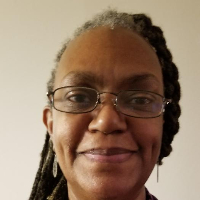
Jamie Daugherty
LPC
Arkansas 9 years in practice
Calm guidance for stressful parenting seasons
- LGBT
- Stress, Anxiety
- Family
Therapists for parents
4,801 therapists list both parenting and lgbt among the things they work with. All offer sessions online; each profile shows the states they are licensed in.
On this page you'll find therapists who list LGBT among their specialty areas and describe focus areas, approaches, credentials, languages, and experience. Use the profiles below to compare how each clinician frames work with gender and sexuality. Browse listings to learn more and identify counselors who might match your family's priorities.
LPC
Arkansas 9 years in practice
Calm guidance for stressful parenting seasons
LPC
Texas 10 years in practice
Supportive counselor who tailors therapy to you
LCSW
South Carolina 14 years in practice
Practical therapy focused on strengths
LMFT
Hawaii 20 years in practice
Calm, practical support for parenting challenges
LMFT
Texas 15 years in practice
Compassionate therapist focused on practical change
LMHC
Florida 25 years in practice English, French
Therapist focused on practical healing
LPC
Texas 10 years in practice
Supportive counselor for parenting and mood concerns
LPC
Oklahoma 6 years in practice
Compassionate, practical support for parenting and life challenges
Oregon 15 years in practice
Helpful guidance for stress and parenting challenges
LCSW
Louisiana 20 years in practice
Supportive LCSW for practical parenting help
LCSW
Louisiana 30 years in practice
Compassionate social worker helping parents and individuals
LPC
Texas 12 years in practice
Compassionate counselor for parenting and life changes
LPC
Oklahoma 3 years in practice
Thoughtful counselor blending change and acceptance
LMHC
Florida 21 years in practice
Compassionate, practical support for parenting challenges
LMHC
Florida 20 years in practice
Calm, practical care for life's transitions
LPC
Idaho 40 years in practice
Experienced counselor for parenting stress
LPC
Wisconsin 12 years in practice
Supportive, practical therapy for parents
LPC
Texas 16 years in practice
Calm, practical support for parenting and relationships
LPC, LCPC
Oregon 17 years in practice
Practical therapy focused on building usable skills
LPCC
California 38 years in practice
Calm, experienced counselor for parents and adults
LMHC
New York 5 years in practice
Practical, person-focused support for stressed parents
LPC
Texas 20 years in practice
Calm, practical support for parenting and life stress
LPC
Texas 3 years in practice
Practical, goal-focused counseling with an easy-going style
LMHC
Florida 30 years in practice
Experienced counselor focused on practical solutions
LPC
Louisiana 5 years in practice
Practical support for stressful life transitions
LPC
Texas 22 years in practice
Supportive LPC for parenting and life stress
Texas 3 years in practice
Calm, practical support for parenting and life strain
LCSW
New York 25 years in practice English, Spanish
Practical skills for stress and parenting challenges
LCSW, LISW-CP
North Carolina 10 years in practice
Faith-friendly social worker for practical change
Missouri 12 years in practice
Practical support for stress and parenting challenges
LPC
Colorado 26 years in practice English, Spanish
Warm counselor focused on family and parenting support
LCSW
California 12 years in practice English, Spanish
Client-centered therapist for parenting concerns
LPC
Texas 37 years in practice
Compassionate counselor using creativity and insight
Ohio 20 years in practice English, Persian
Insightful counselor for life's transitions
LPCC
New Mexico 35 years in practice
Compassionate, practical support for parenting and life changes
MD, LCPC
Maryland 25 years in practice
Support for parents facing stress and change
LCSW
Wisconsin 20 years in practice
Calm, practical support for parenting stress
Virginia 25 years in practice
Compassionate, experienced psychologist for parenting concerns
LMHC
Florida 32 years in practice
Compassionate counselor for everyday challenges
LCSW, CSW
Colorado 23 years in practice
Experienced Colorado LCSW focused on parenting support
LCSW
Texas 21 years in practice
Practical, culturally aware therapy for everyday challenges
LPC
Oklahoma 4 years in practice
Practical support for stress and parenting challenges
LMHP
Nebraska 25 years in practice
Compassionate therapist focused on practical parenting support
Mississippi 22 years in practice
Compassionate counselor for parenting and life stress
LMHC
New York 25 years in practice
Compassionate support for parenting and life stress
KS Psychologist
Kansas 24 years in practice
Practical, experienced psychologist for parenting support
LICSW
Alabama 40 years in practice
Experienced LICSW focused on parenting and stress
LCSW
Illinois 37 years in practice
Practical, person-centered therapy for parenting concerns
Some links on this page are partner links. We will earn a commission if you sign up through one, at no cost to you. It does not change what you pay or the order of the listings.
LGBT is an umbrella term that refers to people who identify as lesbian, gay, bisexual, transgender, and often includes queer, questioning, intersex and other identities related to gender and sexual orientation. For many, exploring or living with a nonheterosexual orientation or a gender identity outside the sex assigned at birth is a positive and affirming part of life. At the same time, cultural expectations, family norms, religious beliefs, and legal frameworks can create stressors that affect relationships, self-image, and everyday functioning. You may see how those external pressures shape mood, social patterns, and how someone makes decisions about disclosure, relationships, or medical care.
Growing up or parenting in an environment where gender and sexuality are contested can influence how you and your family communicate about identity. If you are a parent, you may be navigating questions about how to support a child who is coming out, how to talk with relatives, or how to help with school and community interactions. If you are an individual exploring identity, you may be balancing internal discovery with concerns about acceptance, safety, and future plans. Therapy focused on LGBT topics can center those lived experiences without making assumptions about outcomes or paths forward.
Therapy can be a helpful resource when questions about gender or sexuality start to affect day-to-day life. You might notice increased anxiety, persistent low mood, or trouble sleeping linked to worries about coming out, relationship stress, or harassment. A young person may become withdrawn from family or peers, show sudden changes in behavior, or express confusion or distress about identity. Parents often report feeling unsure how to respond, experiencing grief, guilt, or worry about their child’s safety and social well-being.
If relationships are strained because of differing expectations around gender or sexual orientation, talking with a clinician who has experience in LGBT issues can help you sort emotions, practice conversations, and set boundaries. You may seek support for managing bullying, navigating medical or legal questions, or coordinating care with schools and other providers. Therapy is also a place to strengthen coping strategies for stressors that come from stigma, discrimination, or repeated invalidation, and to build practical plans for communication and support.
When you begin seeing a therapist for LGBT-related concerns, the initial sessions typically focus on understanding your story and what you want to achieve. A therapist will ask about identity history, relationships, family dynamics, and recent stressors to build a picture of your circumstances and priorities. You should expect a collaborative conversation about goals - whether you are seeking short-term problem-solving around a specific situation or longer-term work on identity integration and relationships.
Sessions frequently include time for exploring language, pronouns, and how you talk about yourself. If you are a parent, therapy can include strategies for supporting a child, managing family transitions, and communicating with schools or health professionals. Some therapists emphasize skill-building such as assertive communication, safety planning, and stress management. Others make space for processing feelings of loss, identity conflict, or past trauma. The pace and focus should reflect what you name as most pressing, and you can expect periodic review of goals and progress to make sure the work remains relevant to your life.
Therapists take a range of approaches when working with LGBT clients, and in directory profiles you will often see clinicians describe modalities they use. Many describe an affirmative stance toward gender and sexual diversity, which means the therapist aims to validate and support identity exploration rather than pathologize it. Cognitive behavioral approaches are commonly listed and can be useful for addressing anxiety, depression, and negative thought patterns that relate to discrimination or internalized stigma. Narrative-oriented approaches help you examine the stories you tell about yourself and create new, empowering narratives that include your identity.
Family systems approaches are often used when parents and caregivers are involved, because family dynamics and intergenerational beliefs frequently play a central role in how identity is understood and accepted. Some therapists note trauma-informed perspectives to address past harms such as bullying or abuse. You may also see profiles noting that a clinician uses acceptance and commitment - or mindfulness-based strategies - to help with emotional regulation and values-based living. When clinicians list EMDR among their approaches, they typically indicate that they may use that method to work with trauma-related symptoms. None of these labels guarantees a particular outcome, but they provide insight into the strategies a therapist may draw on in clinical work.
Online therapy for LGBT topics commonly takes place through video calls, phone sessions, or text-based messaging platforms. You can work with a therapist remotely while living in a different city from their office, subject to licensure rules that vary by state. Remote sessions often follow the same structure as in-person work - intake, goal setting, and regular appointments - but allow for greater flexibility when travel, school schedules, or family responsibilities make in-person meetings difficult. If you prefer, some clinicians offer brief check-ins by message alongside scheduled video sessions to support ongoing work between meetings.
Start by reading clinician profiles to learn how they describe their experience with gender and sexual diversity, which populations they list, and whether they mention working with families or adolescents. Look for language that aligns with your values - for example, some therapists emphasize support for social transition or family education, while others focus on coping and mental health symptoms. Consider whether you prefer a clinician who lists specific approaches such as cognitive behavioral techniques, family systems work, or narrative methods. Remember that profiles list approaches clinicians use, not formal guarantees of training or outcomes.
When you reach out to a potential therapist, you can ask about their experience working with issues similar to yours, how they incorporate families or partners, and what a typical session looks like. It is reasonable to ask how they handle emergency situations given remote care and whether they are licensed in the state where you or your family live. Be cautious of any counselor who suggests efforts to change or suppress sexual orientation or gender identity; many people seek professionals who affirm identity and support autonomy. Trust your sense of rapport - if you feel respected and heard in early communications, that is an important indicator for a therapeutic relationship that may work for you.
Choosing a therapist is a personal decision that benefits from clear communication about goals, expectations, and style. Take time to review profiles, read how clinicians describe their approach to LGBT matters, and ask the practical questions that matter to you. With thoughtful searching, you can find a counselor whose perspective and methods align with your family's needs and who offers a steady place to process the complex emotions and decisions that often accompany journeys of gender and sexual identity.