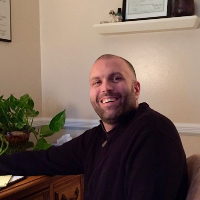
Dr. Shannon Holliker
LCSW
Florida 12 years in practice
Calm, practical support for parents and stress
- Stress, Anxiety
- Self esteem
- Coping with life changes
Therapists for parents
4,829 therapists list both parenting and panic disorder and panic attacks among the things they work with. All offer sessions online; each profile shows the states they are licensed in.
Explore therapists who work with panic disorder and panic attacks. Our directory lists counselors and clinicians who note their approaches, credentials and language skills. Browse the listings below to find professionals whose focus and approach fit your needs.
LCSW
Florida 12 years in practice
Calm, practical support for parents and stress
LPC
Texas 10 years in practice
Supportive counselor who tailors therapy to you
LPC-MH
South Dakota 19 years in practice
Compassionate counseling for everyday parenting challenges
LCSW
South Carolina 14 years in practice
Practical therapy focused on strengths
LMFT
Hawaii 20 years in practice
Calm, practical support for parenting challenges
LISW
Ohio 20 years in practice
Practical, respectful therapy for life changes
LMHC
Florida 25 years in practice English, French
Therapist focused on practical healing
LMHC
Florida 29 years in practice
Calm practical help for parents and life change
LPC
Missouri 27 years in practice
Kind, practical help for parents and adults
LPC
Oklahoma 6 years in practice
Compassionate, practical support for parenting and life challenges
LMHC
Iowa 9 years in practice
Compassionate, practical help for parenting stress
LCSW
Louisiana 20 years in practice
Supportive LCSW for practical parenting help
LPC
Texas 12 years in practice
Compassionate counselor for parenting and life changes
LPC
Oklahoma 3 years in practice
Thoughtful counselor blending change and acceptance
LMHC
Florida 20 years in practice
Calm, practical care for life's transitions
LPC
Idaho 40 years in practice
Experienced counselor for parenting stress
LCSW
Illinois 27 years in practice
Support for parents and adults
LPCC
California 38 years in practice
Calm, experienced counselor for parents and adults
LMHC
New York 5 years in practice
Practical, person-focused support for stressed parents
LCSW
Louisiana 4 years in practice
Support for parents and life changes
LPC
Missouri 17 years in practice
Support for stressed parents and adults
LMHC
Florida 30 years in practice
Experienced counselor focused on practical solutions
LCSW
Florida 6 years in practice
Supportive LCSW for practical parenting challenges
LPC
Louisiana 5 years in practice
Practical support for stressful life transitions
California 22 years in practice
Calm, practical therapy for parenting and life stress
LPC
Texas 22 years in practice
Supportive LPC for parenting and life stress
LCSW
New York 25 years in practice English, Spanish
Practical skills for stress and parenting challenges
LCSW, LISW-CP
North Carolina 10 years in practice
Faith-friendly social worker for practical change
Missouri 12 years in practice
Practical support for stress and parenting challenges
LCSW
California 12 years in practice English, Spanish
Client-centered therapist for parenting concerns
LPC
South Carolina 8 years in practice
Practical support for parenting and life transitions
LPC
Louisiana 28 years in practice
Calm, practical counseling for real-life parenting challenges
LPC
Oklahoma 5 years in practice
Helping parents manage stress and change
LPC
South Carolina 17 years in practice
Clear, practical counseling for parents and adults
LMFT
Hawaii 30 years in practice
Calm guidance for parenting and life changes
LPC
Wisconsin 8 years in practice
Compassionate counselor focused on practical growth
LCSW
Wisconsin 20 years in practice
Calm, practical support for parenting stress
LMHC
Florida 32 years in practice
Compassionate counselor for everyday challenges
LCSW
Texas 21 years in practice
Practical, culturally aware therapy for everyday challenges
LPC
Oklahoma 4 years in practice
Practical support for stress and parenting challenges
LMHP
Nebraska 25 years in practice
Compassionate therapist focused on practical parenting support
LMHC
New York 4 years in practice English, Spanish
Practical support for stress and parenting challenges
LPC
Alabama 12 years in practice
Compassionate counseling for stress and parenting challenges
LCSW
Florida 31 years in practice
Practical, steady support for parents and relationships
WI Psychologist - 57, IL Psychologist
Wisconsin 12 years in practice
Helpful clinical psychologist for practical change
LMHC
New York 25 years in practice
Compassionate support for parenting and life stress
LMFT
California 20 years in practice
Practical, values-focused therapy for everyday challenges
KS Psychologist
Kansas 24 years in practice
Practical, experienced psychologist for parenting support
Some links on this page are partner links. We will earn a commission if you sign up through one, at no cost to you. It does not change what you pay or the order of the listings.
Panic attacks are intense bursts of fear or discomfort that come on quickly and peak within minutes. They can include a racing heart, shortness of breath, dizziness, trembling, chest pain, or a sense of losing control. When these episodes repeat and you start to worry about having more attacks or change your behavior to avoid them, clinicians may describe that pattern as panic disorder. You do not have to be in a constant state of fear to be affected; many people can manage daily life yet still encounter sudden, overwhelming episodes that interfere with work, relationships and your sense of safety.
People experience panic differently. For some, attacks appear without a clear trigger. For others, certain places, situations or health-related worries can bring them on. Panic can also be complicated by other conditions such as generalized anxiety, mood concerns or health anxiety. Recognizing the pattern and learning ways to respond can reduce the disruption these experiences cause.
You may want to explore therapy if panic attacks happen more than occasionally, if they cause you to avoid situations you used to manage, or if they make it hard to concentrate, work or connect with others. If you find yourself checking your body for symptoms, changing routes or routines to avoid places associated with past attacks, or feeling constant worry about future episodes, these are signs that professional support could be helpful. Therapy can also be useful if panic has developed alongside other difficulties such as sleep disruption, substance use to cope, or increased conflict with family members.
People seek help at different stages. Some come after a single frightening episode that shakes their confidence. Others arrive after months or years of living around panic. You do not need to wait until symptoms are severe to benefit from talking with a counselor about ways to understand and respond to panic.
In early sessions you can expect to review your experience with panic - when attacks began, how they unfold, and what tends to precede or follow them. A therapist will ask about medical history, stressors and any behaviors you use to cope. This assessment helps shape a plan that fits your situation and goals. Many people work on understanding the cycle of panic, learning skills to reduce physical arousal, and practicing new behavioral responses to feared sensations.
Therapy often combines learning and practice. You will likely talk through the relationship between thoughts, sensations and behavior, and may practice breathing or grounding techniques to lessen intensity during an attack. Therapists also help you gradually face situations you have been avoiding so that you can rebuild confidence. Over time, the focus usually shifts from immediate symptom management to broader strategies for resilience, emotion regulation and preventing relapse. Sessions are collaborative - you set the pace and priorities with your clinician.
Cognitive behavioral approaches are often used to address panic because they focus on the links among thoughts, physical sensations and behaviors. In this approach you explore beliefs about panic sensations and learn to test and reframe unhelpful interpretations. Exposure-based strategies are commonly described as a way to reduce avoidance and teach your system that feared sensations and situations are tolerable. Exposure can be gradual and tailored to your comfort.
Some therapists list acceptance and commitment approaches among their methods. These emphasize changing your relationship with anxious thoughts and sensations rather than trying to eliminate them completely, and help you identify values to guide action despite discomfort. Other clinicians may note approaches such as mindfulness-based techniques to increase present-moment awareness and reduce reactivity. When therapy includes skill-building for breathing and relaxation, it is framed as a tool to reduce the intensity of panic rather than a cure. Therapists in the directory may also list modalities like EMDR among their approaches; listings indicate an approach that a therapist uses, not a guarantee of specialized certification. Some people combine therapy with medical care, including consultation with a prescriber for medication, when that fits their needs.
Online therapy can make it easier to access clinicians who list experience with panic-related concerns, whether you prefer video, phone or messaging formats. When you work remotely, sessions typically follow the same structure as in-person therapy - assessment, skill teaching, practice and progress reviews - but allow you to practice strategies in the environments where panic happens. You can learn to use grounding or breathing techniques at home and then gently apply exposure strategies in real-life settings with support from your therapist.
Choosing a therapist is a personal process. Look for clinicians who describe working with panic disorder or panic attacks and who explain their approach in clear terms. Pay attention to factors that matter to you such as whether they emphasize cognitive-behavioral methods, exposure work, acceptance-based strategies, or mindfulness. Consider language preferences, cultural background and any experience with parenting or family dynamics if that influences your situation. Reading practitioner profiles can help you note how they describe goals for treatment, typical session structure and the kinds of skills they prioritize. It is reasonable to reach out and ask how a therapist approaches panic, what a typical course of treatment might include, and how they measure progress, so you can choose someone whose style aligns with your needs.
Finally, remember that progress often involves small steps. You may notice reduced intensity of attacks, fewer avoidance behaviors, or greater confidence in handling symptoms as you work through therapy. Each person's path is different, and a thoughtful match between you and a therapist can make the process more effective and comfortable. Use the listings below to compare approaches, credentials, languages and experience, and to find a counselor whose description resonates with you.