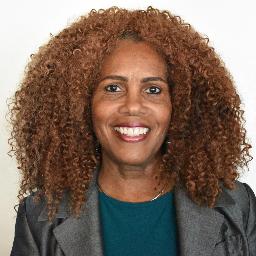
Dr. Shannon Holliker
LCSW
Florida 12 years in practice
Calm, practical support for parents and stress
- Stress, Anxiety
- Self esteem
- Coping with life changes
Therapists for parents
6,259 therapists list both parenting and women's issues among the things they work with. All offer sessions online; each profile shows the states they are licensed in.
This page lists therapists who identify Women's Issues as a specialty, including support for reproductive concerns, pregnancy and postpartum, body image, and life transitions. Browse the profiles below to learn about approaches, credentials, languages, and experience to help you find a therapist who matches your needs.
LCSW
Florida 12 years in practice
Calm, practical support for parents and stress
LPC
Arkansas 9 years in practice
Calm guidance for stressful parenting seasons
LPC-MH
South Dakota 19 years in practice
Compassionate counseling for everyday parenting challenges
LMFT
Hawaii 20 years in practice
Calm, practical support for parenting challenges
LMFT
Texas 15 years in practice
Compassionate therapist focused on practical change
LISW
Ohio 20 years in practice
Practical, respectful therapy for life changes
LMHC
Florida 25 years in practice English, French
Therapist focused on practical healing
LMHC
Florida 29 years in practice
Calm practical help for parents and life change
LPC
Missouri 27 years in practice
Kind, practical help for parents and adults
LPC
Oklahoma 6 years in practice
Compassionate, practical support for parenting and life challenges
LSCSW
Kansas 12 years in practice
Calm, practical support for parenting challenges
LPC
Virginia 4 years in practice
Practical support for stressed, overwhelmed parents
LCSW
Louisiana 30 years in practice
Compassionate social worker helping parents and individuals
LPC
Texas 12 years in practice
Compassionate counselor for parenting and life changes
LPC
Oklahoma 3 years in practice
Thoughtful counselor blending change and acceptance
LMHC
Florida 21 years in practice
Compassionate, practical support for parenting challenges
LMFT
Florida 14 years in practice
Practical support for parenting and life transitions
LMHC
Florida 20 years in practice
Calm, practical care for life's transitions
LPC
Idaho 40 years in practice
Experienced counselor for parenting stress
LPC
Wisconsin 12 years in practice
Supportive, practical therapy for parents
LPC
Texas 16 years in practice
Calm, practical support for parenting and relationships
LMHC
New York 5 years in practice
Practical, person-focused support for stressed parents
LCSW
California 5 years in practice
Supportive LCSW for stress and parenting concerns
MD, LSCSW
Maryland 5 years in practice
Practical support for stress and parenting challenges
LCSW
Florida 6 years in practice
Supportive LCSW for practical parenting challenges
LPC
Louisiana 5 years in practice
Practical support for stressful life transitions
California 22 years in practice
Calm, practical therapy for parenting and life stress
Texas 3 years in practice
Calm, practical support for parenting and life strain
LCSW
New York 25 years in practice English, Spanish
Practical skills for stress and parenting challenges
LPC
Texas 25 years in practice
Supportive counselor for parents and families
LMHC
Florida 15 years in practice
Calm, practical support for life’s hard moments
Missouri 12 years in practice
Practical support for stress and parenting challenges
LCSW
California 12 years in practice English, Spanish
Client-centered therapist for parenting concerns
LPC
South Carolina 8 years in practice
Practical support for parenting and life transitions
LPC
Texas 37 years in practice
Compassionate counselor using creativity and insight
Wisconsin 11 years in practice
Compassionate, practical support for parenting and life changes
LCSW
Florida 5 years in practice
Practical support for stress and parenting challenges
LPC
Louisiana 28 years in practice
Calm, practical counseling for real-life parenting challenges
LCSW, LISW
Pennsylvania 30 years in practice
Experienced LCSW focused on practical parenting support
LPC
Texas 4 years in practice
Practical support for parenting and relationship stress
LPC
South Carolina 17 years in practice
Clear, practical counseling for parents and adults
LISW
Ohio 19 years in practice
Compassionate support for practical life changes
LPC
Texas 25 years in practice
Supportive counseling for parenting and family life
LPC
Wisconsin 8 years in practice
Compassionate counselor focused on practical growth
LCSW
Wisconsin 20 years in practice
Calm, practical support for parenting stress
Virginia 25 years in practice
Compassionate, experienced psychologist for parenting concerns
LMHC
Florida 32 years in practice
Compassionate counselor for everyday challenges
LCSW, CSW
Colorado 23 years in practice
Experienced Colorado LCSW focused on parenting support
Some links on this page are partner links. We will earn a commission if you sign up through one, at no cost to you. It does not change what you pay or the order of the listings.
Women's issues is a broad term used to describe emotional, relational, and life-stage concerns that commonly affect people who identify as women. That can include concerns around reproductive health, fertility and pregnancy, postpartum mood changes, menopause, body image, sexual health, relationship shifts, balancing parenting and career, and the effects of gender-based stressors. For many people these concerns are tied to physical health events, social expectations, and identity development. When you experience persistent worry, low mood, relationship strain, or a sense that life changes are overwhelming, those experiences often fall under the umbrella of women's issues.
Because the term covers many different experiences, therapy that addresses women's issues typically approaches your situation holistically. That means a therapist may explore how hormonal changes, cultural messages, caregiving roles, and personal history interact with current stress. You may also find support focused on practical problem solving - for example, managing sleep while adjusting to a new baby - and on deeper emotional processing, such as grief for an expected life path that did not unfold. Understanding the variety within the term can help you frame what you want from therapy and communicate it clearly when you read therapist profiles and descriptions.
There are ways to recognize when specialized support could help you navigate women's issues more effectively. You might notice changes in mood, such as prolonged sadness, increased irritability, anxiety that feels persistent, or panic in situations that used to feel manageable. Sleep disturbances, changes in appetite, reduced interest in activities you used to enjoy, or difficulty concentrating can also signal that outside help would be useful. If relationships feel strained - with partners, family members, or friends - because of pregnancy, postpartum adjustments, caregiving demands, or changing identity, therapy can provide a place to sort through those dynamics.
You may also be reacting to specific events that frequently bring people to seek help: pregnancy loss, challenges with fertility, postpartum mood changes, perimenopause transitions, experiences of discrimination or trauma related to gender, or persistent body image struggles. Even when symptoms are mild, therapy can offer tools to reduce stress and improve coping. If your daily functioning feels noticeably reduced, or if you find yourself relying on unhealthy coping strategies, those are additional signs that working with a therapist who lists women's issues among their specialties may be helpful.
When you begin therapy for women's issues, the first few sessions are usually focused on understanding your concerns and clarifying goals. You and your therapist will discuss your history, current stressors, and what you hope to change. This intake phase helps create a shared plan for the work ahead. Some therapists emphasize practical skills - such as stress management, sleep hygiene, or communication techniques for relationships - while others emphasize emotional processing and exploring how life transitions affect your sense of self.
Sessions may include a combination of talking, reflective exercises, and behavioral strategies. You may be invited to notice patterns in relationships, track mood or triggers between sessions, or practice new ways of responding to stress. If you are dealing with reproductive health or pregnancy-related concerns, the therapist may collaborate with your medical providers when appropriate, always within the bounds of what you authorize. Therapy is typically paced according to your needs - sometimes focused and short-term around a particular event like postpartum adjustment, and sometimes longer-term when the work involves identity, trauma, or long-standing relational patterns.
If your concerns intersect with medical treatment - such as fertility care, pregnancy health, or hormonal changes - therapy can complement those services by addressing the emotional impact. You can expect therapists to listen to how medical experiences affect your mood, relationships, and daily life, and to support coping strategies that align with any medical care you receive. This collaborative stance helps keep the emotional and practical sides of care connected.
Therapists who work with women's issues often draw on a range of approaches, and you will frequently see different names and techniques listed in profiles. Cognitive-behavioral approaches are commonly used to help you identify and change unhelpful thinking patterns and behaviors that contribute to anxiety or depression. Interpersonal approaches focus on improving communication, resolving conflict, and repairing relationships affected by life transitions. Emotion-focused work can help you access, label, and process feelings that may be tied to loss, identity shifts, or trauma.
Some therapists list trauma-informed approaches among their methods, and others list modalities such as mindfulness-based work, somatic approaches that attend to bodily experience, or techniques for managing stress and sleep. If you encounter references to EMDR, systems-oriented work, or other named approaches in therapist profiles, keep in mind that a listing indicates the therapist uses that approach with clients, not that it guarantees any specific outcome. As you read profiles, look for descriptions that resonate with how you like to work - whether that is skills and structure, reflective exploration, or a blended approach that addresses both practical and deeper emotional needs.
Online therapy offers a way to connect with therapists who list women's issues among their specialties without being limited to local options. In teletherapy sessions you meet with a therapist via video or phone in a setting that is convenient for you - perhaps at home during a nap window, in a quiet room at work during a break, or anywhere you can be comfortable and focused. Before starting, you can review therapist profiles to learn about their areas of emphasis, professional credentials, languages spoken, and the approaches they use. Many profiles also describe experience with particular life stages, such as pregnancy, postpartum adjustment, or perimenopause concerns.
When choosing a therapist for women's issues, begin by clarifying what matters most to you. Think about whether you want someone who emphasizes skills and symptom relief, someone who focuses on relationship dynamics, or someone who will work with identity and life transitions. Consider practical preferences too - do you want a therapist who has experience with reproductive health issues, or one who lists experience supporting people through pregnancy, postpartum, or caregiving stress? Language, cultural background, and experience with specific life contexts may also influence your sense of fit. Reading profiles can help you identify therapists who describe work in terms that align with your needs.
As you compare profiles, pay attention to how therapists describe their approach to women's issues, the types of concerns they mention, and any population groups they highlight. You may want to look for language that reflects respect for your identity and life choices, and for a therapeutic stance that feels collaborative. It can help to think about what you'd like to accomplish in therapy and to look for descriptions that mirror those goals. Many people find it useful to reach out to more than one therapist to get a sense of different styles and ways of working, then select the person who feels like the best match.
Ultimately, effective therapy depends on a relationship where you feel heard and supported while you work toward concrete changes. Whether you pursue in-person appointments or online sessions, the profiles on this page are intended to help you find therapists who list women's issues among their specialties and who describe approaches and experience that fit your needs. Take your time reviewing descriptions, and choose a therapist whose language and focus align with what you want from the work ahead.