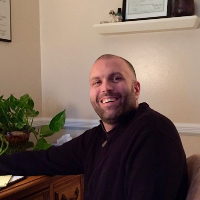
Dr. Shannon Holliker
LCSW
Florida 12 years in practice
Calm, practical support for parents and stress
- Addictions
- Stress, Anxiety
- Self esteem
Therapists for parents
6,321 therapists list both parenting and addictions among the things they work with. All offer sessions online; each profile shows the states they are licensed in.
Find therapists who list addictions among their focus areas and compare approaches, credentials, and languages. Browse the listings below to explore profiles and identify professionals who match your needs.
LCSW
Florida 12 years in practice
Calm, practical support for parents and stress
LPC
Arkansas 9 years in practice
Calm guidance for stressful parenting seasons
LPC
Texas 10 years in practice
Supportive counselor who tailors therapy to you
LPC-MH
South Dakota 19 years in practice
Compassionate counseling for everyday parenting challenges
MD, LCSW-C
Maryland 28 years in practice
Calm, practical support for parenting and life stress
LCSW
South Carolina 14 years in practice
Practical therapy focused on strengths
LMFT
Hawaii 20 years in practice
Calm, practical support for parenting challenges
LMFT
Texas 15 years in practice
Compassionate therapist focused on practical change
LMFT, LMHC
Hawaii 26 years in practice
Experienced therapist for parenting and relationships
FL Psychologist
Florida 35 years in practice
Experienced psychologist for parenting and relationships
LMHC
Florida 25 years in practice English, French
Therapist focused on practical healing
LPC
Texas 10 years in practice
Supportive counselor for parenting and mood concerns
LCPC
Illinois 3 years in practice
Practical, strengths-based counseling for parents and individuals
Oregon 15 years in practice
Helpful guidance for stress and parenting challenges
LMHC
Iowa 9 years in practice
Compassionate, practical help for parenting stress
LCSW
Louisiana 20 years in practice
Supportive LCSW for practical parenting help
LCSW
Louisiana 30 years in practice
Compassionate social worker helping parents and individuals
LMHC
New York 10 years in practice English, Hebrew
Helpful support for addiction and parenting concerns
LPC
Texas 12 years in practice
Compassionate counselor for parenting and life changes
LCSW
Louisiana 12 years in practice
Support for Parents Facing Stress and Change
LPC
Michigan 10 years in practice
Calm, practical therapy for everyday challenges
LPC
Idaho 40 years in practice
Experienced counselor for parenting stress
LPC
Texas 16 years in practice
Calm, practical support for parenting and relationships
LPC, LCPC
Oregon 17 years in practice
Practical therapy focused on building usable skills
LMHC
New York 5 years in practice
Practical, person-focused support for stressed parents
LPC
Texas 20 years in practice
Calm, practical support for parenting and life stress
LCSW
Louisiana 4 years in practice
Support for parents and life changes
LMHC
Florida 3 years in practice
Supportive counselor focused on parenting and life changes
LMHC
Florida 30 years in practice
Experienced counselor focused on practical solutions
LPC
Texas 22 years in practice
Supportive LPC for parenting and life stress
LCSW, LISW-CP
North Carolina 10 years in practice
Faith-friendly social worker for practical change
LMHC
Florida 15 years in practice
Calm, practical support for life’s hard moments
Missouri 12 years in practice
Practical support for stress and parenting challenges
LCSW
California 12 years in practice English, Spanish
Client-centered therapist for parenting concerns
LPC
Texas 37 years in practice
Compassionate counselor using creativity and insight
LCSW
Florida 5 years in practice
Practical support for stress and parenting challenges
MA Psychologist
Massachusetts 25 years in practice
Practical, goal-focused therapy for parenting and life challenges
LPC
Louisiana 28 years in practice
Calm, practical counseling for real-life parenting challenges
LCSW, LISW
Pennsylvania 30 years in practice
Experienced LCSW focused on practical parenting support
Ohio 20 years in practice English, Persian
Insightful counselor for life's transitions
LPCC
New Mexico 35 years in practice
Compassionate, practical support for parenting and life changes
MD, LCPC
Maryland 25 years in practice
Support for parents facing stress and change
LCSW
Wisconsin 20 years in practice
Calm, practical support for parenting stress
LMHC
Florida 32 years in practice
Compassionate counselor for everyday challenges
LCSW
Texas 21 years in practice
Practical, culturally aware therapy for everyday challenges
LPC
Oklahoma 4 years in practice
Practical support for stress and parenting challenges
LMHP
Nebraska 25 years in practice
Compassionate therapist focused on practical parenting support
WI Psychologist - 57, IL Psychologist
Wisconsin 12 years in practice
Helpful clinical psychologist for practical change
Some links on this page are partner links. We will earn a commission if you sign up through one, at no cost to you. It does not change what you pay or the order of the listings.
Addictions refer to patterns of behavior or substance use that have become difficult to control and that produce negative consequences in daily life. For some people the pattern centers on alcohol or drugs, while for others it may involve behaviors such as gambling, gaming, shopping, or recurrent use of digital platforms. You may notice that urges, cravings, or repetitive habits begin to shape how you spend time, think about future plans, and relate to others. That shift can be distressing even when you continue the behavior because it temporarily reduces discomfort or creates a feeling of relief.
The effects of addictions are varied and often extend beyond the immediate behavior. You might experience disruptions in sleep, concentration, finances, work or school performance, and relationships. Emotional responses such as shame, guilt, anxiety, or irritability are common, and people often describe a cycle of trying to cut back and then returning to the same pattern. Many people also face stigma that makes it harder to reach out for help. Therapy can help you break that cycle by offering strategies to manage cravings, rebuild relationships, and develop alternatives that align with your goals.
If you are wondering whether therapy could help, pay attention to how a behavior or substance use affects your life over time. You may benefit from professional support if you find that you repeatedly use despite negative consequences, if you struggle to control how much or how often you engage in the behavior, or if you have unsuccessfully tried to stop on your own. Other signs include using to cope with difficult emotions, neglecting responsibilities or relationships, experiencing withdrawal or strong cravings, or feeling preoccupied with planning the next occasion.
Therapy can be helpful whether you are at an early stage and want to prevent escalation, or coping with long-standing patterns that feel entrenched. You may also seek treatment if you are noticing co-occurring symptoms such as depression, anxiety, trauma responses, or stress that interact with the addictive behavior. Reaching out for therapy does not require a crisis; it can be a practical step to gain clarity, create a plan, and access tools that support gradual change.
The first few sessions are typically focused on building rapport and understanding your history with the behavior or substance. You can expect a therapist to ask about patterns, triggers, the role the behavior plays in your life, and any past attempts to change. This assessment helps shape collaborative goals. You and your therapist will consider what change looks like for you - whether you want to reduce use, pursue abstinence, or address related issues like relationship repair or coping skills - and will outline practical steps toward those goals.
After assessment, sessions usually combine exploration of thoughts and emotions with skills-based work. Therapists often help you identify triggers, practice strategies to manage cravings, and strengthen alternatives that meet the needs the behavior has been serving. Therapy can also include planning for high-risk situations, developing relapse prevention strategies, and involving family members when appropriate. You should expect a mix of reflection, skill building, and practical problem solving tailored to your pace and context.
Cognitive and behavioral methods are frequently used for addictions because they focus on the connections between thoughts, emotions, and behavior. Therapists who list cognitive behavioral therapy among their approaches may help you track patterns of thinking that precede use and experiment with alternative responses. Motivational approaches are aimed at resolving ambivalence and strengthening internal reasons for change. Therapists who list motivational interviewing among their approaches work to help you clarify your own values and to support self-directed change.
Different approaches emphasize different goals. Relapse prevention focuses on planning for setbacks and building coping skills, while harm reduction concentrates on reducing the negative consequences of a behavior rather than insisting on immediate abstinence. Some therapists incorporate family or couples work to address relational dynamics that influence use. You may also encounter group-based formats that provide peer support and multiple perspectives. Note that when a person’s health could benefit from medication, that component is typically managed by medical providers; therapy often complements medication by focusing on behavior, motivation, and emotional regulation.
Online therapy makes it possible to connect with a therapist from your home or another convenient location. Sessions most commonly take place via video or phone, and some clinicians also offer messaging between appointments. When you choose an online option, you can look for therapists who list addictions as a focus and who describe their approaches, experience with related concerns, or interest in family involvement. Online therapy can be particularly useful if you need flexible scheduling, live in an area with fewer local options, or want to access clinicians who speak your language or understand your cultural background.
Before starting online sessions, you may want to confirm how a clinician manages records, which technologies they use, and what to expect in terms of emergency planning. Prepare a quiet, interruption-free environment for sessions and think about what you will do if a session ends early or you need immediate help. If group work or family sessions are part of the plan, discuss how those will be arranged online and what’s needed to participate effectively.
When comparing profiles, focus on several key areas. Look at the clinician’s stated focus areas and the approaches they list, and consider how those align with your goals - for example, whether you prefer a harm reduction framework or a program oriented toward abstinence. Pay attention to credentials such as licensed counselor, social worker, psychologist, or other licensure that indicate professional training, and note languages spoken or experience with particular communities. You might also read descriptions of how a therapist works with families, adolescents, or people who have co-occurring mood or trauma-related concerns. Finally, trust your reaction after an initial conversation - a good fit is one where you feel heard and the plan feels realistic for your life.
Beginning therapy is often a gradual process that involves setting achievable short-term goals and adjusting strategies as you learn more about what works for you. Change rarely follows a straight line; many people make progress through small steps that accumulate over time. Use listings to identify therapists who describe an approach that resonates with you, and reach out to learn more about how they would work with your specific situation. Therapy can be a valuable way to gain tools, rebuild routines, and create a plan that aligns with the life you want to live.