
- Years in practice
- 20
- Credentials
- LICSW
- Licensed in
- District of Columbia
- Languages
- English
- Focus
- Stress, Anxiety
- Focus
- Relationship issues
- Focus
- Trauma and abuse
About Karen
Karen Guillory is a licensed clinical social worker with 20 years of experience supporting people through stress, anxiety, relationship strain, trauma, and major life changes. She works in the District of Columbia and uses straightforward, strength-based methods to help people find practical ways forward. Karen emphasizes respect and a nonjudgmental stance in every session.
Her approach centers on listening first and then building plans that fit each person’s life. She leans on client-centered work to follow the person’s priorities.
Background and approach
Cognitive Behavioral Therapy tools are used to spot unhelpful thoughts and practice different responses. Karen also draws on Dialectical Behavior Therapy skills when emotions feel overwhelming. Those skills teach grounding, emotion regulation, and clearer communication.
Solution-focused and narrative methods help people identify immediate steps and reframe difficult stories into clearer paths forward. Sessions are geared toward achievable changes. A session might include identifying a small goal for the week, practicing a new communication script, or mapping out steps to reduce stress.
The focus is on skills you can use between sessions to feel steadier and more in control. Karen supports work on parenting concerns, caregiver stress, workplace strain, addiction, grief, and identity-related questions. She emphasizes collaboration and practical strategies so people leave a session with tools and a clearer next step.
What Karen works with
Everything Karen lists, in the therapist's own terms. Parenting is the reason this directory exists; the rest shows what else Karen helps people with.
- Stress, Anxiety
- Relationship issues
- Trauma and abuse
- Parenting issues
- Coping with life changes
- Addictions
- LGBT
- Family conflicts
- Grief
- Intimacy-related issues
- Anger management
- Self esteem
- Career difficulties
- Bipolar disorder
- Depression
- Compassion fatigue
- ADHD
- Caregiver issues and stress
- Co-morbidity
- Communication problems
- Control issues
- Coping with natural or human-caused disaster
- Dissociation
- Family of origin issues
- Family problems
- First responder issues
- Guilt and shame
- HIV / AIDS
- Life purpose
- Midlife crisis
- Multicultural concerns
- Panic disorder and panic attacks
- Polyamory / non-monogamous relationships
- Postpartum depression
- Post-traumatic stress
- Pregnancy and childbirth
- Prejudice and discrimination
- Self-harm
- Self-love
- Sexual assault and abuse
- Social anxiety and phobia
- Women's issues
- Workplace issues
- Young adult issues
Approaches Karen lists
- Client-Centered Therapy
- Cognitive Behavioral Therapy (CBT)
- Dialectical Behavior Therapy (DBT)
- Narrative Therapy
- Solution-Focused Therapy
- Trauma-Focused Therapy
- Internal Family Systems
Listing an approach is not evidence of training in it. This directory copies what each therapist names and does not check training records.
Practical therapeutic approaches for online care
Client-centered therapy focuses on following the person’s concerns and priorities. It centers on listening, reflecting what matters most, and helping people find their own solutions to problems like stress, parenting strain, or relationship issues.Cognitive Behavioral Therapy, or CBT, looks at the links between thoughts, feelings, and actions. It involves identifying unhelpful thought patterns and practicing small behavioral experiments to reduce anxiety, depression, or panic attacks.
Dialectical Behavior Therapy, or DBT, offers concrete skills for managing strong emotions and improving communication. It can be useful when someone feels overwhelmed, struggles with impulse control, or wants steadier reactions in difficult moments.
Choosing the right approach is a collaborative process. The therapist will listen to your goals and try methods that fit your needs and preferences. Plans are adjusted over time so sessions stay focused on what helps most.
Online therapy offers flexible ways to meet. Video calls work well for conversation and visual cues. Phone sessions can be a good option when bandwidth or camera use is difficult. Live chat and text-based messaging allow short check-ins, quick skill practice, or follow-up between sessions. These options make it easier to fit care into a busy schedule and to use the tools discussed in sessions throughout the week.
Questions people ask about Karen
What kinds of concerns can Karen help with?
She helps people address stress, anxiety, relationship problems, trauma and abuse, parenting issues, and coping with life changes among other concerns such as grief and addiction.
What is her therapeutic style like?
Her style is nonjudgmental and strength-based. She listens first, then uses practical tools from client-centered work, CBT, DBT, and solution-focused methods.
How much experience does she have?
She has 20 years of professional work experience supporting people through a wide range of challenges.
What credentials and location are listed?
She holds a LICSW credential and practices in the District of Columbia.
Which languages are supported for sessions?
Sessions are offered in English.
What formats are available for appointments?
Sessions can take place as video calls, phone sessions, live chat, or text-based messaging.
How is cost handled for therapy sessions?
Cost varies with location and therapist availability; sessions use a subscription that can be canceled at any time.
How do I begin working with Karen?
Click the Start Therapy button, complete a short matching questionnaire, and schedule according to therapist availability.
More therapists for parents in District of Columbia
All in District of Columbia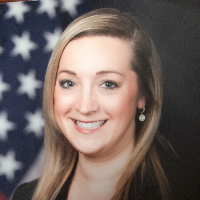
Brittany Bordonaro
LICSW
District of Columbia 15 years in practice
Supporting parents with practical steps
- Relationship
- Family
- Trauma and abuse

Joseph Osiecki
LICSW
District of Columbia 9 years in practice
Helping parents find clear, practical steps
- Relationship
- Family
- Intimacy-related issues
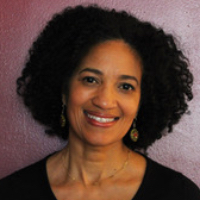
Stephanie Nash
LICSW, MD, LCSW-C
District of Columbia 29 years in practice
Positive, practical support for parenting and life changes
- Stress, Anxiety
- Relationship
- Trauma and abuse