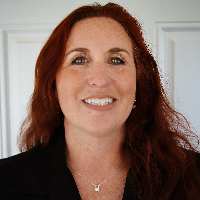
Paul Dokey
LCSW
Montana 20 years in practice
Practical therapy for stress and parenting
- Stress, Anxiety
- Addictions
- Relationship
Therapists for parents
72 therapists based in Montana list parenting among the things they work with. Sessions are online; a therapist can usually only see people in the states where they hold a licence, so check each profile.
Welcome to our directory of online therapists serving Montana. All therapists listed here are licensed in Montana and offer teletherapy options for residents across the state. Explore profiles to compare approaches, credentials, languages, and areas of focus.
LCSW
Montana 20 years in practice
Practical therapy for stress and parenting
LCPC
Montana 39 years in practice
Experienced, practical therapy for life's transitions
LCPC
Montana 10 years in practice
Centered therapist helping parents and adults
LCPC, LMHC
Montana 13 years in practice
Experienced counselor focused on parenting and daily stress
LCSW
Montana 13 years in practice
Calm, practical support for parenting concerns
LCPC
Montana 23 years in practice
Compassionate counselor for stressed parents
Montana 16 years in practice
Experienced LCPC for practical parenting support
LCPC
Montana 10 years in practice
Helping parents with clear, practical strategies
LCPC
Montana 14 years in practice
Supportive counselor for parenting and family concerns
LCSW
Montana 7 years in practice
Practical support for parents and life transitions
LICSW, LCSW
Montana 18 years in practice
Support for parents finding practical solutions
LCPC
Montana 8 years in practice
Practical skills and steady support for parents
LCPC
Montana 9 years in practice
Practical counseling for parenting and life stressors
LCPC, LPCC
Montana 5 years in practice
Practical support for parenting and life stress
LICSW, LCSW
Montana 20 years in practice
Compassionate, practical support for change
LCSW
Montana 3 years in practice
Supportive LCSW for parenting and life changes
LCSW
Montana 32 years in practice
Practical, experienced support for parenting and life stressors
LCSW
Montana 4 years in practice
Help for parenting strain and family conflict
LPC, LCPC
Montana 5 years in practice
Practical support for parenting and daily stress
LCSW
Montana 7 years in practice
Practical, compassionate support for stressed parents
LCSW
Montana 20 years in practice
Compassionate, practical therapy for life transitions
LCPC
Montana 33 years in practice
Practical, person-focused counseling and coaching
LCSW
Montana 30 years in practice
Practical, experience-based support for life changes
LCPC
Montana 3 years in practice
Compassionate practical therapy for parents
LCMHC, LCPC
Montana 10 years in practice
Practical, values-focused counseling for everyday struggles
LCPC
Montana 22 years in practice
Supportive counselor for parenting and life stress
LCPC
Montana 3 years in practice
Support for parents handling stress and trauma
LCPC
Montana 22 years in practice
Compassionate, practical support for life changes
LCPC
Montana 9 years in practice
Calm practical help for parents and caregivers
LCSW
Montana 6 years in practice
Compassionate support for parenting and family challenges
LCSW
Montana 8 years in practice
Supportive LCSW for parenting and life changes
LCPC
Montana 7 years in practice
Supportive counselor focused on listening and small steps
Montana 20 years in practice
Compassionate LCSW focusing on relationships and parenting
LCPC
Montana 7 years in practice
Compassionate counselor for parenting and stress
LMFT
Montana 8 years in practice
Compassionate therapist for parenting and trauma
LCPC
Montana 5 years in practice
Practical therapy for stress and parenting challenges
LPC, LCPC
Montana 24 years in practice
Calm, practical counseling for parents and stress
LCSW
Montana 9 years in practice
Compassionate practical therapy for everyday parenting challenges
LCPC
Montana 24 years in practice
Practical support for parenting and life stress
LCPC
Montana 8 years in practice
Helping people build clearer thinking and daily habits
LCPC
Montana 4 years in practice
Practical trauma-informed counseling for parents and adults
LPC, LCPC
Montana 3 years in practice
Practical support for parenting stress and change
LPCC, LPC
Montana 27 years in practice
Calm, practical support for parenting and stress
LPCC, LCPC
Montana 15 years in practice
Calm, practical support for everyday parenting challenges
LCPC
Montana 15 years in practice
Practical support for stressed and overwhelmed parents
LCSW
Montana 30 years in practice
Calm, practical support for life changes
Montana 13 years in practice
Trauma-informed LCSW helping parents find balance
Montana 4 years in practice
Experienced Montana counselor for parents and adults
Some links on this page are partner links. We will earn a commission if you sign up through one, at no cost to you. It does not change what you pay or the order of the listings.
Online therapy has become a widely used option for people across Montana, from residents in urban centers to those living in rural valleys. If you are searching for support as a parent, caregiver, or someone seeking family-focused counseling, you will find clinicians who list teletherapy among their services. In Montana, therapists who offer online sessions typically hold state licensure that authorizes them to work with residents here. That licensure is a primary element to look for when you are evaluating profiles, because it indicates that a clinician met education and practice standards required by Montana authorities.
Teletherapy formats can range from video sessions to phone conversations and sometimes text-based messaging through a practice portal. Many therapists adapt their practices to meet the needs of families juggling child care, school schedules, and work. Because Montana covers a large geographic area, remote care often helps bridge distances that would otherwise make in-person sessions impractical. When you browse listings, you will see a variety of approaches and areas of focus noted on profiles so you can identify clinicians whose experience aligns with your goals.
Online therapy offers practical advantages that may be especially meaningful in Montana. You can participate from home, your vehicle during a break, or another comfortable environment when in-person travel would be lengthy. This flexibility is helpful when coordinating care around school drop-off and pickup, weekend activities, or work shifts. For parents managing multiple responsibilities, the ability to connect without commuting can reduce the stress associated with scheduling and make it easier to maintain continuity over time.
Remote sessions also broaden the pool of clinicians you can consider. If you prefer to work with someone who lists specific approaches, speaks another language, or has experience with parenting-related issues, online options expand the number of profiles available to you. Many parents find that being able to choose a clinician based on approach and fit - rather than geography alone - improves the chances of forming a helpful working relationship. Finally, some people appreciate the added convenience of managing appointments and billing through an online portal, which streamlines the administrative side of care.
Online therapists in Montana often work with parents and families on a wide range of concerns. You can find clinicians who list parenting support, behavior management strategies for children, relationship and co-parenting conversations, stress and anxiety related to caregiving, and transitions such as separation or relocation. Many profiles also note experience with perinatal mood concerns, grief after a loss, and coping with chronic stressors that affect family functioning. These areas are commonly addressed in teletherapy settings because discussions, skill-building, and problem-solving translate well to remote formats.
For families with children who have developmental considerations or behavioral challenges, therapists may offer parent coaching and strategies you can try between sessions. If trauma is part of your history, you may see clinicians who list trauma-informed approaches among their methods; in those cases, profiles usually describe the kinds of supports offered rather than asserting certification in a specific modality. When you read therapist profiles, pay attention to how practitioners describe the populations they work with and the kinds of goals they help clients pursue, so you can imagine how a particular clinician might fit your situation.
Confirming a therapist's license is an important step in your search. You can begin by noting the license type listed on a clinician's profile - common credentials include Licensed Clinical Social Worker, Licensed Professional Counselor, and Licensed Marriage and Family Therapist. To verify the current status of a license, use Montana's official license lookup resources maintained by the state licensing authority. You can search by a clinician's full name or their license number, if it is provided, to confirm that the license is active and to view its expiration date. This lookup will also indicate whether any disciplinary actions are on record.
If you have questions about what you find in the public record, you can contact the licensing board directly for clarification. It is reasonable to ask a prospective therapist for their license number during an initial conversation so you can perform your own check. You should also confirm that the license jurisdiction matches the services you need - if a clinician is located outside Montana but lists teletherapy, ask whether they are licensed to practice with Montana residents. Licensing requirements vary by state, and therapists who list teletherapy services should clarify the jurisdictions in which they are authorized to provide care.
Getting started involves both practical and personal steps. Before your first session, think about what you hope to accomplish - whether that is learning strategies to manage a child's behavior, improving co-parenting communication, or finding ways to reduce caregiver stress. Gathering relevant background information such as a brief history of previous supports, medications if applicable, and any recent evaluations can help your clinician understand the context quickly. Decide where you will sit during sessions so you have a quiet, comfortable environment that supports focused conversation.
Make sure your device and internet connection are adequate for video calls if that is the format you choose. Many therapists will outline accepted payment methods, session length, and whether they work with insurance or offer sliding scale fees on their profiles. It is appropriate to ask about these details ahead of time so there are no surprises. Also discuss how the therapist manages emergencies and local referrals, so you understand how they coordinate care if a situation arises that requires immediate in-person attention. Having a plan in place helps you feel more confident beginning remote work.
Choosing a therapist is a personal process and there are several practical ways to refine your options. Start by identifying the therapist profiles that mention the populations and issues most relevant to your family. Pay attention to the approaches listed and remember how those are described - some profiles will explain how a clinician combines methods or what they emphasize in sessions. You may prefer someone who lists parent coaching, family systems work, or approaches oriented toward trauma processing; when you see a modality mentioned, note that it is offered as an approach rather than as a certification.
Consider the languages spoken, cultural background, and specialties noted on profiles if those factors matter to you. Experience with similar family structures or life stages can be helpful, and many therapists include a short summary that gives a sense of their style and priorities. After narrowing your choices, reach out to a few clinicians to ask about session length, fees, and how they typically structure work with parents. During initial conversations, notice whether the clinician's communication style and explanations feel clear and respectful. Trust your sense of fit - the most effective therapeutic relationship is often one where you feel heard and understood.
Finally, remember that finding the right match can take time. You can use profiles to compare credentials, approaches, and practical details so that when you reach out, you do so with specific questions and a clear sense of your goals. Whether you are seeking short-term guidance or a longer-term partnership, taking a thoughtful approach to selection increases the likelihood that you will find a clinician who supports your family's needs in a meaningful way.