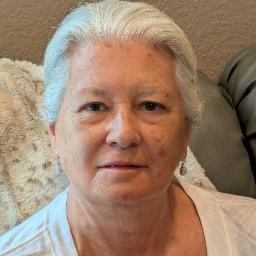
Scott Herman
LCSW
Illinois 3 years in practice English, Spanish
Practical, compassionate help for everyday parenting challenges
- Stress, Anxiety
- Relationship
- Family
Therapists for parents
511 therapists who work with parents name Spanish among the languages they offer sessions in.
Therapy in one's native language can help people express emotions and cultural experiences with greater clarity. Browse the Spanish-speaking therapists below to review profiles, approaches, languages, and credentials that match individual needs.
LCSW
Illinois 3 years in practice English, Spanish
Practical, compassionate help for everyday parenting challenges
LCSW
New York 25 years in practice English, Spanish
Practical skills for stress and parenting challenges
LPC
Colorado 26 years in practice English, Spanish
Warm counselor focused on family and parenting support
LCSW
California 12 years in practice English, Spanish
Client-centered therapist for parenting concerns
LMHC
New York 4 years in practice English, Spanish
Practical support for stress and parenting challenges
LCSW
New York 25 years in practice English, Spanish
Calm, practical guidance for real-life challenges
LPC
Texas 7 years in practice English, Spanish
Compassionate, practical counseling for everyday struggles
LCSW
Florida 24 years in practice English, Spanish
Compassionate support for parenting and life change
LMFT
Florida 29 years in practice English, Spanish
Seasoned LMFT focused on practical support
Texas 30 years in practice English, Spanish
Compassionate counselor for parenting and life changes
LCSW
Virginia 38 years in practice English, Spanish
Experienced therapist for parenting and trauma
LPC
Texas 11 years in practice English, Spanish
Calm, practical support for parenting challenges
LMHC
New York 6 years in practice English, Spanish
Practical support for parenting and relationships
LCSW-R
New York 26 years in practice English, Spanish
Compassionate, practical support for parents and caregivers
LPC
Texas 18 years in practice English, Spanish
Practical, supportive therapy for anxious parents
LMHC, LPC
New York 17 years in practice English, Spanish
Calm guidance using depth and practical steps
Texas 4 years in practice English, Spanish
Supportive counselor for everyday parenting challenges
Florida 7 years in practice English, Spanish
Supportive counselor for parenting stress
LPC
Pennsylvania 32 years in practice English, Spanish
Compassionate counselor focused on practical change
LCSW
New York 6 years in practice English, Spanish
Supportive LCSW for parenting and life changes
LPC
Texas 11 years in practice English, Spanish
Parenting-focused counselor with practical tools
LIMFT
Ohio 14 years in practice English, Spanish
Compassionate, practical support for life's hard moments
LMHC
Florida 12 years in practice English, Spanish
Calm, practical support for everyday parenting challenges
LCSW
Missouri 25 years in practice English, Spanish
Experienced LCSW focused on parenting support
Ohio 11 years in practice English, Spanish
Compassionate support for parenting and life changes
LMHC
Florida 14 years in practice English, Spanish
Practical, bilingual support for parents and caregivers
Wisconsin 4 years in practice English, Spanish
Compassionate, practical support for parenting challenges
LMFT, LPC
Texas 30 years in practice English, Spanish
Calm, practical therapy for parents
LMFT
California 3 years in practice English, Spanish
Compassionate LMFT helping parents and individuals
LCSW
Arizona 8 years in practice English, Spanish
Supporting parents through life transitions
LCSW
Arizona 11 years in practice English, Spanish
Practical, compassionate support for parents and adults
Texas 6 years in practice
Compassionate counselor for everyday parenting challenges
FL Psychologist
Florida 3 years in practice English, Spanish
Practical, goal-focused help for parents
LMHC
Florida 20 years in practice English, Spanish
Compassionate support for stressed and anxious parents
LMHC
Florida 10 years in practice English, Spanish
Calm, practical help for parenting stress
LCSW
Delaware 28 years in practice English, Spanish
Practical, experienced support for overwhelmed parents
LCSW
Utah 5 years in practice English, Spanish
Compassionate help for parenting and anxiety
LCSW
Colorado 19 years in practice English, Spanish
Compassionate clinician focused on daily life changes
LMHC
Florida 30 years in practice English, Spanish
Calm, practical support for parenting and life challenges
LIMFT
Ohio 19 years in practice English, Spanish
Compassionate, practical therapy for parenting and life challenges
Illinois 27 years in practice English, Spanish
Compassionate support for parenting and life stress
LMHC
Florida 5 years in practice English, Spanish
Compassionate, practical therapy for life's challenges
LMFT
California 16 years in practice English, Spanish
Compassionate, strength-based Christian therapist
LCSW
Texas 15 years in practice English, Spanish
Practical, bilingual therapist for everyday challenges
LMHC
Florida 8 years in practice
Compassionate, practical support for parenting challenges
LPC
Texas 18 years in practice English, Spanish
Helping people navigate relationships and parenting
LMHC
Florida 8 years in practice English, Spanish
Practical, multilingual therapy for parenting and life changes
LMHC
New York 10 years in practice English, Spanish
Practical, collaborative therapy for everyday challenges
Some links on this page are partner links. We will earn a commission if you sign up through one, at no cost to you. It does not change what you pay or the order of the listings.
When you meet with a therapist in Spanish, you are more likely to access the full range of your emotional vocabulary and cultural references. Language carries not only words but ways of understanding relationships, family roles, and life transitions. For many people, describing an experience in the language of childhood or family can bring nuance and immediacy that may be harder to capture in a second language. This matters when you are exploring complex topics such as intergenerational patterns, migration-related stress, parenting beliefs, or the ways cultural values influence your day-to-day choices.
Spanish has regional expressions and idioms that may hold deep emotional meaning. Speaking with a therapist who understands those expressions - including regional dialects or cultural customs - can reduce the need to translate feelings into less precise terms. That can allow conversations to move faster toward insight and practical strategies. In addition, a therapist who shares or understands your cultural background can more easily contextualize family expectations, religious influences, and community norms that shape your experience.
Language mismatches can introduce friction into therapy. If you are working in a language that is not your own, you might find yourself simplifying emotions, avoiding metaphors, or missing subtle shades of meaning. Those small gaps can make it harder to build a deep connection and may leave you feeling misunderstood. You might also notice that difficult topics take longer to describe, or that humor and sarcasm do not land the same way. These differences can slow progress and create frustration even when both people are doing their best to communicate.
Some people use interpreters to bridge the gap, and interpreters can be valuable in specific contexts. However, the presence of a third person can change the dynamic of a session. You may need more time to explain personal matters, and emotional immediacy can be reduced. If you choose to work with an interpreter, consider how comfortable you feel sharing sensitive material in a three-way conversation and whether the interpreter is familiar with clinical settings. Many people prefer a direct Spanish-language connection when possible because it preserves intimacy and spontaneity.
Online therapy can look similar to in-person therapy in many ways. You can expect sessions to follow a conversational rhythm, starting with what brought you to therapy, exploring patterns, and experimenting with new ways of coping. With a Spanish-speaking therapist, those conversations happen in the language you prefer, which may make it easier to reflect on family stories, cultural identity, or migration experiences. Online sessions may include video, audio-only conversations, or text-based messaging depending on the clinician’s practice, and you should feel encouraged to ask how they typically conduct sessions and what forms of communication they use.
Therapists list a range of approaches on their profiles. You may find clinicians who list cognitive-behavioral methods among their approaches, psychodynamic perspectives, family systems frameworks, or therapies such as EMDR. When modalities are mentioned, the profile indicates that a therapist uses or references those ideas, not that a credential is guaranteed. If a specific approach matters to you, it is reasonable to ask how it is applied in sessions and how it might fit your goals.
Cultural stigma is a frequent concern in many Spanish-speaking communities. Seeking help for mental health can feel shameful if family or community messages emphasize self-reliance or view emotional struggles as a sign of weakness. That stigma may make it harder to reach out, particularly for older generations or for people from backgrounds where mental health care has been less visible. At the same time, younger family members may be more familiar with therapy and may support exploring it, creating intergenerational tension.
Finding a therapist who matches your dialect, cultural knowledge, and lived experience can be challenging. You may worry that a clinician will speak Spanish but not understand the particular cultural references of your country, region, or family history. There can also be concerns about cost, insurance coverage, and whether the therapist names approaches that align with your expectations. When immigration status, work schedules, or caregiving responsibilities are involved, those practical issues add another layer of complexity to seeking help.
Online therapy expands the geographic pool of therapists who speak Spanish, which increases the chances of finding someone who matches your preferred dialect, cultural background, or clinical focus. It also offers flexibility in scheduling and the option to meet from a familiar environment, which can reduce stress and logistical hurdles. For parents, caregivers, or people balancing work and family, the convenience of remote sessions can make it easier to prioritize consistent care. You may also find clinicians who specialize in family dynamics, parenting support, trauma-related topics, or life transitions and who list those areas on their profiles.
Start by reading therapist profiles closely to learn which languages they list and which populations or concerns they note as areas of focus. Pay attention to the approaches they mention, keeping in mind that a profile indicates how a therapist works rather than a formal guarantee of credentials in a given modality. Think about dialect and cultural familiarity - if regional terms or family customs matter to you, look for clinicians who indicate relevant experience. Consider the tone of a profile and whether it feels respectful and relatable to you. When you reach out, you can ask questions about how the therapist incorporates cultural values into their work, how they approach family involvement, and what a typical session includes.
Above all, fit comes down to rapport. You should feel listened to and able to speak openly in Spanish without having to filter or simplify your thoughts. It is acceptable to have an initial conversation to get a sense of whether a therapist's style feels right for you. Many people find that a few exploratory conversations help them identify who can best support their goals. Remember that therapy is a collaborative process and that finding the right person is an important step toward making the most of the work you choose to do.
Seeking a therapist who speaks Spanish is a practical choice that can enhance emotional clarity, cultural resonance, and therapeutic progress. By focusing on language fit, cultural understanding, clear communication about approaches, and the relational quality of sessions, you increase the chances of finding support that feels meaningful and helpful to your life. Use profiles to learn about languages and focus areas, and trust your sense of comfort and connection as you move forward.