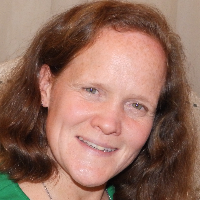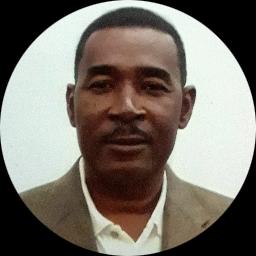
Guy Edouard
LMHC
New York 18 years in practice English, French
Calm, practical support for parenting and stress
- Stress, Anxiety
- Relationship
- Anger
Therapists for parents
27 therapists who work with parents name Haitian Creole among the languages they offer sessions in.
Therapy in your native language can help you express emotions and experiences more fully. Below you can browse profiles of therapists who speak Haitian Creole to find a provider who matches your needs.
LMHC
New York 18 years in practice English, French
Calm, practical support for parenting and stress
LIMFT
Ohio 19 years in practice English, Spanish
Compassionate, practical therapy for parenting and life challenges
LMHC
Rhode Island 10 years in practice English, Haitian Creole
Practical support for parenting and life transitions
LPC
Georgia 30 years in practice English, Haitian Creole
Compassionate guidance for parenting and life transitions
LMHC
Florida 8 years in practice English, Spanish
Practical, multilingual therapy for parenting and life changes
LCMHC, LMHC
Florida 16 years in practice English, Haitian Creole
Supportive therapist for stress and parenting concerns
MD, LCPC
Maryland 9 years in practice English, Haitian Creole
Practical, person-centered support for parenting challenges
LMHC
Florida 6 years in practice English, Haitian Creole
Helping parents find calmer, practical ways forward
LCSW
Florida 13 years in practice English, Haitian Creole
Practical, compassionate support for everyday struggles
LISW, LICSW
Alabama 10 years in practice English, Haitian Creole
Human-centered social work for stressed parents
LCSW
Florida 19 years in practice English, French
Compassionate LCSW helping parents and individuals
Florida 8 years in practice English, French
Practical therapy for parents and relationships
LICSW, MD, LCSW-C
Maryland 13 years in practice English, Haitian Creole
Supportive clinician for parenting and family life
LCSW
Florida 5 years in practice English, Haitian Creole
Empathetic, goal-minded LCSW for practical parenting support
LCSW
Florida 12 years in practice English, Haitian Creole
Calm, practical therapy for parents and individuals
Pennsylvania 6 years in practice English, Haitian Creole
Practical, strength-based help for stressed parents
LICSW
District of Columbia 10 years in practice English, Haitian Creole
Compassionate LICSW for everyday parenting stress
New Jersey 14 years in practice English, Haitian Creole
Practical counseling for parenting and life stressors
LPC, LMHC
Rhode Island 8 years in practice English, Haitian Creole
Compassionate counselor for parenting and family concerns
LCSW
New York 8 years in practice English, Haitian Creole
Practical support for parenting and relationships
Connecticut 14 years in practice English, Haitian Creole
Supportive therapist focused on parenting and stress
LPC
Tennessee 13 years in practice English, Haitian Creole
Compassionate counseling for everyday parenting challenges
LMHC
Florida 15 years in practice English, Haitian Creole
Parenting-focused counselor who teaches practical skills
LMHC
New York 3 years in practice English, Haitian Creole
Practical support for parenting and life stress
LMHC
Florida 3 years in practice English, Haitian Creole
Practical support for stress and parenting
LCSW
Florida 18 years in practice English, Haitian Creole
Practical, research-informed counseling for parents
LCSW
Florida 14 years in practice English, Haitian Creole
Calm, practical support for family and parenting concerns
Some links on this page are partner links. We will earn a commission if you sign up through one, at no cost to you. It does not change what you pay or the order of the listings.
When you work with a therapist who speaks Haitian Creole, the conversation can move beyond literal translation into cultural and emotional nuance. Language shapes how you name feelings, tell stories, and connect events to meaning. Phrases and idioms in Haitian Creole often carry cultural references and layered emotional weight that may be hard to convey through an interpreter or translated words. Speaking in your first language can make it easier to access memories, humor, spiritual references, and everyday frustrations without having to mentally switch between languages or search for the right term.
You may find that a therapist who shares your language is better able to follow the rhythm of how you describe situations, notice culturally specific metaphors, and ask follow-up questions that feel relevant. That does not replace cultural humility or ongoing learning by the clinician, but it does lower one barrier to feeling understood. If family dynamics, migration history, or experiences tied to Haitian culture are central to your concerns, speaking Haitian Creole in therapy can create a more natural context for those discussions.
Language mismatch can create small frictions that build into larger obstacles over time. If you are translating your experience into another language, you might use fewer emotional words, summarize events rather than explore them, or feel drained by the extra cognitive effort. This can slow progress because a lot of important material is communicated in tone, idiom, and pause rather than in literal sentences. Misunderstandings can also arise when metaphors or culturally bound expressions are interpreted too literally, which may lead you to feel misheard or dismissed.
Interpreters and bilingual clinicians both play important roles, but relying on translation can alter the pace and intimacy of a session. You may find yourself avoiding topics that are painful or hard to translate, or you may use simpler language that misses layers of meaning. Choosing a therapist who speaks Haitian Creole reduces that extra mental load and can help you focus more on healing, insight, and problem solving instead of on linguistic gymnastics.
Online therapy that matches your language can combine the convenience of remote sessions with the comfort of speaking in Haitian Creole. Sessions typically follow a familiar rhythm - an initial check-in, focused conversation about what brought you to therapy, exploration of thoughts and feelings, and collaborative planning for next steps. You can expect discussions about coping strategies, relationship dynamics, parenting concerns, cultural identity, or symptoms you are experiencing, all expressed in your preferred language. Many therapists list a range of therapeutic approaches on their profiles, and you may find clinicians who list EMDR, CBT, narrative therapy, or family systems among their approaches.
To get the most from online therapy, think about where you will meet so you have a quiet and comfortable setting. Check that your device and internet connection support video if you prefer face-to-face interaction, or choose audio-only if that feels better for you. Read profile descriptions carefully to learn about a therapist's focus areas, the populations they mention, and whether they list approaches that match how you like to work. Remember that a profile expresses what a clinician highlights about their work and is a starting point for a conversation about fit and style.
Many Haitian Creole speakers face a mix of practical and cultural barriers when seeking mental health care. Stigma around mental health can be strong in families and communities, with concerns about judgment or weakening family reputation. Religious beliefs and faith leaders often play a central role in support networks, and you may wonder whether counseling will align with those values. Immigration-related worries, such as stress about documentation, language rights, and navigating systems in a new country, are frequent topics. Intergenerational differences between parents and children can create friction, especially when children acculturate faster and language preferences shift.
Finding a clinician who speaks Haitian Creole can help with trust, but cultural fit also matters. Some people prefer therapists who share similar life experiences or immigration backgrounds, while others prioritize a clinician who shows curiosity and respect for Haitian culture. It is normal to feel hesitant about starting therapy. You can use an initial session to talk about cultural values, faith, family expectations, and any concerns you have about therapy itself. That conversation can help you understand whether the therapist's approach resonates with how you want to work.
Online therapy expands access by connecting you with clinicians who speak Haitian Creole beyond your immediate geographic area. That means you can find someone whose language skills and focus areas match what you need, whether you are seeking help for parenting, relationship strain, trauma, grief, or stress related to immigration and adaptation. Online sessions offer flexibility with scheduling and can reduce travel time and cost. For parents, meeting from home can make it easier to coordinate care around school and work commitments. For people in areas with limited bilingual services, remote sessions can offer access to clinicians who understand the language and cultural context.
Begin by identifying what matters most to you - language, therapeutic approach, experience with family and cultural issues, or a therapist's focus on parenting or adolescent work. Read profiles to see which clinicians mention the areas you care about and note whether they list approaches that align with your preferences; some therapists list EMDR, CBT, or narrative therapy among their approaches, which gives you an idea of the methods they reference in practice. Consider whether you prefer a therapist who describes a practical problem-solving style, a reflective exploration of feelings, or family-centered work. It can help to prepare a short list of questions to ask in an initial conversation about how they work, how they handle cultural and faith-based topics, and what a typical session looks like. Finally, trust your instincts about rapport - feeling heard and respected in Haitian Creole is a key part of effective therapy.
Choosing a therapist who speaks your language is a meaningful step toward finding care that fits your life and values. Take your time, read profiles carefully, and use early conversations to confirm that a clinician's style and focus align with what you need. Speaking in Haitian Creole can open the door to deeper understanding, clearer communication, and a therapeutic relationship that supports your goals.