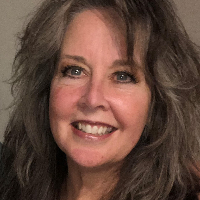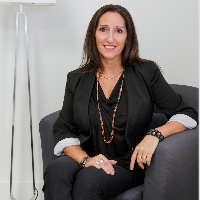
Marylise Zwarts
LMHC
Florida 25 years in practice English, French
Therapist focused on practical healing
- Relationship
- Trauma and abuse
- Grief
Therapists for parents
22 therapists who work with parents name French among the languages they offer sessions in.
Accessing therapy in your native language can deepen trust and make it easier to express complex feelings. Browse the French-speaking therapists listed below to find a clinician who speaks French and understands cultural context.
LMHC
Florida 25 years in practice English, French
Therapist focused on practical healing
LMHC
New York 18 years in practice English, French
Calm, practical support for parenting and stress
LIMFT
Ohio 19 years in practice English, Spanish
Compassionate, practical therapy for parenting and life challenges
LMHC
Florida 8 years in practice English, Spanish
Practical, multilingual therapy for parenting and life changes
Colorado 25 years in practice English, French
Practical, collaborative counseling for life transitions
Georgia 6 years in practice English, French
Support for parenting stress and communication
LCSW, CSW
Colorado 5 years in practice English, French
Calm, practical therapy for parenting and stress
LCSW
Florida 19 years in practice English, French
Compassionate LCSW helping parents and individuals
Florida 8 years in practice English, French
Practical therapy for parents and relationships
LPC
Idaho 10 years in practice English, French
Compassionate, practical help for parents and individuals
CA Psychologist
California 10 years in practice English, French
Practical support for parents and life challenges
Florida 25 years in practice English, French
Practical, experienced parenting support
LICSW
Massachusetts 4 years in practice English, Spanish
Compassionate LICSW for practical parenting support
LPC
Virginia 13 years in practice English, French
Therapist focused on choices and healing
LMHC
Florida 12 years in practice English, Spanish
Practical support for stressed and overwhelmed parents
LMFT
California 13 years in practice English, French
Collaborative, practical help for parenting and relationships
LMHC
Florida 18 years in practice English, French
Practical, experienced counselor for parents and adults
LPC-MHSP
Tennessee 7 years in practice English, French
Practical, compassionate counseling for parents and adults
LCMHC, LCPC
Maine 24 years in practice English, French
Calm, direct therapy for life transitions
LPC, LPCC
Missouri 27 years in practice English, French
Experienced counselor focused on practical parenting support
LICSW
Massachusetts 33 years in practice English, French
Practical, experienced social worker for parenting and life challenges
Florida 10 years in practice English, French
Practical therapy for parents and relationships
Some links on this page are partner links. We will earn a commission if you sign up through one, at no cost to you. It does not change what you pay or the order of the listings.
When you speak in your first language, you access a wider emotional vocabulary and subtler shades of meaning. That matters in therapy because many of the feelings, memories, and cultural references you bring are bound up with language. Speaking French with a therapist can help you name complex emotions, recall formative experiences more precisely, and describe family dynamics in the words that feel most natural to you. That fluency can reduce the effort you spend translating thoughts and let more of your attention go toward understanding and processing what comes up in sessions.
Language also carries cultural nuance - idioms, humor, and expectations about relationships and parenting that may not translate directly. A therapist who speaks French is more likely to recognize these cues, ask culturally informed follow-up questions, and respond in a way that resonates with your background. For bilingual people, the choice of language can influence which stories you tell and which parts of identity you bring into the room. Choosing to work in French can feel like an invitation to explore those aspects more fully.
Language barriers change the pace and depth of clinical conversations. If you or your therapist are working in a non-native tongue, you may spend extra time searching for words, simplifying metaphors, or avoiding topics that feel too nuanced to explain. That can limit emotional depth and slow progress, especially on complex issues like trauma, grief, or family conflict. Misunderstandings can arise not only from vocabulary but from different uses of tone, directness, and nonverbal cues.
Even when interpreters are present or you translate for yourself, there are losses. Translated phrases can miss idiomatic meaning, and an interpreter may not capture small shifts in tone that signal deeper distress. When you work in French with a therapist who uses the same expressions and cultural frames, you lower the chances of these kinds of miscommunication. That does not guarantee any particular outcome, but it makes it easier to discuss sensitive topics with nuance and depth.
Online therapy with a French-speaking clinician tends to follow the same general rhythm as in-person work: initial intake conversations to explore concerns, agreement on goals, and regular sessions focused on progress. In an online setting, you and your therapist will negotiate practical matters like session length, preferred communication methods, and how to handle appointments. Many people appreciate that online sessions let them participate from a comfortable place in their own home or another environment where they feel at ease speaking French.
Technically, online therapy can use video, phone, or messaging formats, and each mode shapes the interaction. Video allows you to read facial expressions and body language in real time, which supports emotional connection. Phone sessions may feel more personal for some people and can lower barriers for those who are self-conscious on camera. Messaging can provide an ongoing way to reflect between sessions, although it is structured differently from live conversation. Before your first session, think about where you will sit, how you will manage interruptions, and whether you prefer a particular mode of communication. Clear expectations about session structure can help you use your time effectively.
People who speak French may encounter cultural and practical barriers to seeking help. In some communities, there can be stigma around mental health or a strong preference for handling problems within the family or faith community. You might worry about judgment from relatives or about appearing weak, especially when parenting pressures are high. Those concerns are valid and often influence the pace at which you engage with therapy.
Another common issue is matching dialect and cultural familiarity. French as spoken in different regions includes variations in vocabulary, accent, and cultural references. You may prefer a clinician who shares your regional background or who demonstrates familiarity with the cultural norms of your community. Finding someone who understands your family’s expectations around parenting, schooling, or elder care can make the work feel more directly relevant. Practical access can be a problem too - in some areas there are few French-speaking providers. Online therapy eases that constraint by widening the pool of clinicians who can communicate with you in French, though you will still want to look for cultural fit as well as language fluency.
Online therapy offers a wider range of choices because geography matters less. You can search for someone who uses the particular French dialect you prefer and who mentions experience with parenting, acculturation, or other topics that matter to you. This broader reach increases the likelihood of finding a therapist whose approach and cultural understanding align with your needs. Online work can also be more flexible around scheduling and reduce travel time, allowing you to fit sessions into a busy routine.
When choosing a French-speaking therapist, start by reading their profile to learn how they describe their approach and what populations they mention. Some therapists may list approaches that include methods like cognitive behavioral strategies, psychodynamic perspectives, family systems work, or EMDR among their approaches. Recall that listing an approach does not guarantee certification, but it gives you a sense of the tools they use. Pay attention to how they talk about parenting, relationships, or cultural competence. Consider whether their language use, examples, and tone feel like a match for how you think and speak. It can help to prepare a few questions for an initial inquiry - ask about how they handle cultural or family themes, what a typical session looks like, and how they support parents navigating stress, transitions, or cross-cultural challenges.
Finally, trust your sense of rapport. The right fit often comes down to whether you feel understood and whether the clinician’s way of describing their work resonates with your goals. If you are bilingual, notice which language brings up the material you want to address most directly. That can guide your choice of therapist and the language you use in sessions. With online options, you have more ways to find a French-speaking clinician who aligns with both your linguistic needs and the kind of therapeutic relationship you want.