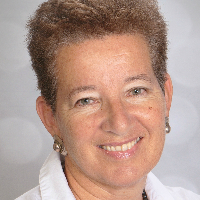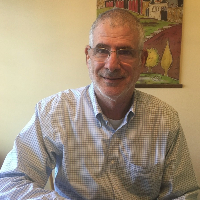
Jonathan Tuller
LMHC
New York 10 years in practice English, Hebrew
Helpful support for addiction and parenting concerns
- Addictions
- Relationship
- Family
Therapists for parents
16 therapists who work with parents name Hebrew among the languages they offer sessions in.
Therapy in your native language can make it easier to express emotions, share cultural context, and connect with a clinician who understands your background. Browse the Hebrew-speaking therapists below to review profiles, approaches and specialties that may fit your needs.
LMHC
New York 10 years in practice English, Hebrew
Helpful support for addiction and parenting concerns
LCSW
Delaware 29 years in practice English, Hebrew
Compassionate guidance for parenting and life changes
LMFT
California 25 years in practice English, Hebrew
Warm, practical therapy for parenting and family life
LCSW
Illinois 25 years in practice English, Hebrew
Supportive, practical guidance for life changes
LISW
Ohio 9 years in practice English, Hebrew
Compassionate, practical support for parenting and life challenges
LMFT
California 20 years in practice English, Hebrew
Calm, practical therapy for life and parenting challenges
LCSW
Illinois 22 years in practice English, Hebrew
Experienced LCSW focused on practical parenting support
LICSW, LCSW
Connecticut 5 years in practice English, Hebrew
Calm, practical support for parents and individuals
LMHC
Massachusetts 30 years in practice English, Hebrew
Compassionate trauma-informed care for parents
LMHC, LPC
Florida 10 years in practice English, Hebrew
Helping parents build practical coping skills
LMFT
California 17 years in practice English, Hebrew
Practical, solution-focused support for parents
LCSW
New York 18 years in practice English, Hebrew
Practical, strength-based help for parents and individuals
LMHC
Florida 25 years in practice English, Spanish
Compassionate counselor for practical family concerns
LPC
Georgia 10 years in practice English, Amharic
Supportive counselor for parenting and life change
LCSW
New York 30 years in practice English, Hebrew
Practical, collaborative therapy for parenting and life stress
LMHC
Florida 29 years in practice English, Hebrew
Calm, practical support for stressed parents
Some links on this page are partner links. We will earn a commission if you sign up through one, at no cost to you. It does not change what you pay or the order of the listings.
When you speak in your native language you access nuances of feeling, memory and identity that are often harder to reach in a second language. Hebrew carries idioms, religious references and familial terms that shape how you describe relationships, stress and joy. Speaking in Hebrew can make metaphors come more naturally, allow for subtler emotional expression and reduce the effort of mental translation. That effort matters - when you are not translating internally you can be more present in the session and more focused on the work at hand.
You may find that certain experiences - rites of passage, family roles, or community-specific expectations - are easier to name in Hebrew. That naming matters because therapy often begins when you can put an experience into words and notice its emotional content. Working in a language that feels native to you can support that process and help you build a stronger connection with a clinician who shares or understands your linguistic and cultural reference points.
Language barriers can change the pace, depth and tone of therapy. If you are forced to explain important memories or emotions in a second language you might compress details, lose cultural meaning, or avoid topics that feel too complex to translate. Subtle shifts in meaning - a single word with multiple cultural resonances or a family term that does not have an exact equivalent - can lead to miscommunication. That does not mean therapy cannot help across languages, but it does mean you may need to work harder to convey nuance or to stop and correct misunderstandings.
Some people use interpreters, and that can be a practical solution when a Hebrew-speaking clinician is not available. Working with an interpreter changes the dynamics of a session - there is an additional person in the room, conversations may slow down, and emotional tone can feel different. If you use this approach you may want to plan how difficult topics will be handled and whether you will speak directly to the clinician or through the interpreter. You should also expect that cultural references may need brief explanation. All of these adjustments can be managed, but they are worth considering when you think about language and communication in therapy.
Online therapy offers a familiar and flexible way to work in Hebrew from your home or another comfortable environment. Sessions typically follow the same basic structure as in-person therapy - you and the clinician agree on goals, explore themes that matter to you, and review progress over time - but the virtual setting affects how you prepare and participate. You will want a quiet place where you can speak freely and a reliable internet connection for video sessions. Some clinicians also offer phone or text-based options, and you can ask about the modes they list on their profile.
Therapists often list a range of approaches and specialties in their profiles. For example, you might find clinicians who list cognitive-behavioral therapy, narrative approaches, trauma-focused work, or EMDR among their approaches. Those listings describe the ways a clinician often works rather than an exhaustive statement about training. Before you begin, it can be helpful to ask potential clinicians how they use particular methods in Hebrew, how they incorporate cultural or religious context, and how they define goals for sessions. That conversation can clarify expectations and help you feel more comfortable about the online format.
Cultural stigma is a frequent concern among Hebrew speakers from different communities. Depending on family background, religious context or community norms, seeking therapy may be met with reluctance or worry about how others will react. You might fear being judged, worry about discussing family matters outside the family, or be concerned about how therapy will affect your role in the community. These are valid concerns to bring into a first conversation with a clinician who understands or acknowledges your cultural context.
Other common worries include finding a clinician who shares your language and cultural references, trusting someone with sensitive material, and bridging generational differences in expectations about therapy. Immigrants and second-generation families often navigate multiple identities and languages, and that complexity can add to the challenge of finding the right fit. It is reasonable to ask clinicians how they work with cultural issues and what types of clients they typically support. That kind of dialogue can help you assess whether a clinician’s approach aligns with your needs without assuming anything about outcomes.
Online therapy expands the pool of Hebrew-speaking clinicians you can consider. You are not limited to providers in your immediate area, which makes it likelier that you will find someone who uses the specific dialect, cultural frame or therapeutic approach that resonates with you. The virtual option also allows for greater flexibility in scheduling and the convenience of meeting from a familiar setting. Those factors can lower barriers to beginning therapy and make it easier to maintain continuity over time.
Start by reading clinician profiles to note the languages they use, the specialties they list and the approaches they mention. Remember that descriptions of approaches indicate what a clinician may use, and you can ask them to explain how those methods appear in sessions. Consider whether you prefer a clinician who shares your cultural background or one who has experience working with people from similar communities. Pay attention to how a clinician writes about diversity, faith and family issues if those areas matter to you.
When you reach out to a clinician, prepare a few questions about communication and fit. Ask about the languages they use in session, whether they are comfortable with specific cultural or religious topics, and how they measure progress toward goals. If dialect matters to you, mention it. You may also want to ask about session length and typical pacing so you have a sense of how time is used. Finally, trust your sense of comfort - the relationship you form with a clinician is a central part of effective therapy, and feeling understood in your language is a major step toward that connection.
Browsing Hebrew-speaking clinician profiles on this site can help you identify clinicians who list the approaches and specialties you want to explore. Use profile information to guide initial conversations, and allow time to find the fit that supports your goals. When you work in the language that feels most natural, therapy can be a clearer place to reflect, heal and grow.