
- Years in practice
- 5
- Credentials
- LCMHC
- Licensed in
- North Carolina
- Languages
- English, Spanish
- Focus
- Stress, Anxiety
- Focus
- Relationship issues
- Focus
- Parenting issues
About Oneyda
Oneyda Garcia is a Licensed Clinical Mental Health Counselor (LCMHC) based in North Carolina who offers bilingual therapy in English and Spanish. She brings five years of counseling experience to conversations about stress, anxiety, depression, and parenting concerns. Her manner is warm and collaborative, and she focuses on clear, practical steps clients can use in daily life.
Many people come to her when life feels overwhelming or when they face big changes like grief, recovery challenges, or shifting responsibilities at home.
Background and approach
She listens closely and helps clients name what’s happening, then works with them to try realistic strategies that fit their situation. Sessions tend to focus on skill-building and problem solving rather than long talk alone. Oneyda draws on evidence-based therapeutic techniques to address worry, low mood, relationship strain, and coping with chronic illness or caregiver stress.
She also supports people managing issues related to adoption and foster care, attachment wounds, codependency, and communication problems. Her bilingual ability helps Spanish speakers discuss sensitive topics in the language they prefer. Practical tools often come up in sessions - ways to manage anxious moments, small behavior changes to lift mood, and clearer communication habits for stressed relationships.
She also helps people facing abandonment, blended family adjustments, or commitment and control concerns. Therapy is offered through video calls, phone sessions, live chat, or text-based messaging. Prospective clients complete a short matching questionnaire and schedule sessions according to therapist availability using the Start Therapy button.
What Oneyda works with
Everything Oneyda lists, in the therapist's own terms. Parenting is the reason this directory exists; the rest shows what else Oneyda helps people with.
- Stress, Anxiety
- Relationship issues
- Parenting issues
- Depression
- Coping with life changes
- Abandonment
- Adoption and foster care
- Antisocial personality
- Attachment issues
- Avoidant personality
- Blended family issues
- Body image
- Caregiver issues and stress
- Chronic pain, illness, and disability
- Co-morbidity
- Codependency
- Commitment issues
- Communication problems
- Control issues
- Coping with natural or human-caused disaster
- Dependent personality
- Disruptive Mood Dysregulation Disorder (DMDD)
- Dissociation
- Divorce and separation
- Domestic violence
- Drug and alcohol addiction
- Eating and food-related issues
- Emptiness
- Family of origin issues
- Family problems
- Fatherhood issues
- Fertility issues
- First responder issues
- Forgiveness
- Guilt and shame
- Hoarding
- Immigration issues
- Impulsivity
- Infidelity
- Isolation / loneliness
- Jealousy
- Life purpose
- Men's issues
- Midlife crisis
- Veteran and Armed Forces Issues
- Money and financial issues
- Mood disorders
- Multicultural concerns
- Narcissism
- Obsessions, compulsions, and OCD
- Panic disorder and panic attacks
- Paranoia
- Personality disorders
- Phobias
- Polyamory / non-monogamous relationships
- Postpartum depression
- Post-traumatic stress
- Pregnancy and childbirth
- Prejudice and discrimination
- Process addiction (porn, exercise, gambling)
- Seasonal Affective Disorder (SAD)
- Self-harm
- Self-love
- Sex addiction
- Sexual assault and abuse
- Sexuality
- Smoking / vaping cessation
- Social anxiety and phobia
- Women's issues
- Workplace issues
- Young adult issues
How evidence-based techniques translate to online care
Oneyda often uses well-established techniques that focus on changing unhelpful thoughts and building motivation for change. Cognitive Behavioral approaches help people identify anxious or negative thinking, test those thoughts, and practice different behaviors to reduce distress. Motivational interviewing-style work supports people who are unsure about change by exploring values and ambivalence and finding personal reasons to move forward.Choosing the right approach is a collaborative process. The therapist will talk with each person about goals, preferences, and what has or hasn’t worked in the past. Together they decide which techniques to try and adjust the plan as progress is made.
Online therapy offers practical flexibility for busy lives. Video calls let for face-to-face interaction when visual cues matter. Phone sessions can be easier when bandwidth is low or a shorter check-in is needed. Live chat and text messaging support brief updates, skill reminders, or ongoing support between appointments. These options help fit therapy into work, school, or caregiving schedules while keeping the work focused and goal-oriented.
Questions people ask about Oneyda
What kinds of concerns does she help with?
She works with stress, anxiety, depression, parenting challenges, relationship strain, and coping with life changes. Additional areas include issues like attachment concerns, adoption and foster care topics, and caregiver stress.
What is her therapy style like?
Her approach is warm and collaborative, focusing on practical skills and problem solving. Sessions emphasize clear steps clients can try between meetings.
How much clinical experience does she have?
She has five years of professional counseling experience working with adults and young people. That experience shapes how she helps clients manage anxiety, mood, and life transitions.
What are her credentials and where is she located?
She holds the LCMHC credential and practices in North Carolina. The LCMHC designation is listed as her professional credential.
Which languages are supported in sessions?
Sessions are offered in English and Spanish to accommodate bilingual clients. International clients are not currently accepted.
How are sessions delivered?
She provides video calls, phone sessions, live chat, and text-based messaging. These different formats let clients pick what fits their schedule and communication needs.
How does cost and payment work?
Cost varies with location and therapist availability and uses a subscription model. The subscription can be canceled at any time.
What is the first step to begin therapy?
Click the Start Therapy button, complete a short matching questionnaire, and then schedule sessions based on therapist availability. That process connects you and sets the first appointment.
More therapists for parents in North Carolina
All in North Carolina
North Carolina 25 years in practice
Practical, compassionate care for parenting and life strain
- Stress, Anxiety
- Relationship
- Trauma and abuse

Anne Douglas
LMFT
North Carolina 25 years in practice
Calm, experienced guidance for parenting and life challenges
- Stress, Anxiety
- Relationship
- Family
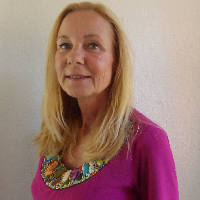
Jacqueline Baiada
LCSW
North Carolina 30 years in practice English, Danish
Compassionate therapist who challenges and supports change
- Relationship
- Anger
- Stress, Anxiety