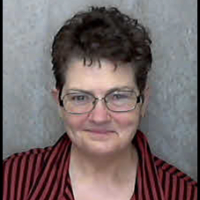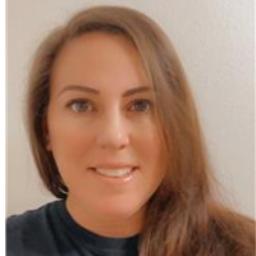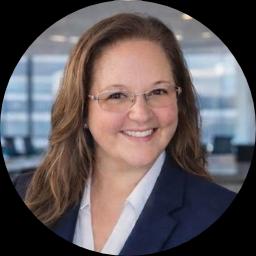
Sheila Askins
MD, LCSW-C
Maryland 28 years in practice
Calm, practical support for parenting and life stress
- Stress, Anxiety
- Addictions
- Depression
Therapists for parents
125 therapists holding Licensed Certified Social Worker - Clinical (LCSW-C) list parenting among the things they work with. Credentials are shown as supplied; the issuing state board is the place to verify one.
A Licensed Certified Social Worker - Clinical (LCSW-C) is a social work professional credential that indicates qualification to provide clinical assessment and psychotherapy in jurisdictions that use this designation. Below you can browse verified LCSW-C therapists who list experience working with parents, families, and related concerns.
MD, LCSW-C
Maryland 28 years in practice
Calm, practical support for parenting and life stress
MD, LCSW-C
Maryland 20 years in practice
Practical help for stress and parenting
MD, LCSW-C, LCSW
Texas 35 years in practice
Compassionate therapist for parenting and life stress
MD, LCSW-C
Maryland 13 years in practice English, Tigrinya
Practical, compassionate support for parenting and life stressors
MD, LCSW-C
Maryland 20 years in practice
Helpful, practical support for parenting and stress
MD, LCSW-C, LICSW
Maryland 6 years in practice
Calm, practical support for everyday parenting challenges
MD, LCSW-C, LCSW
Virginia 30 years in practice
Practical support for stressed parents
MD, LCSW-C
Maryland 9 years in practice
Practical, person-centered support for parents and adults
LCSW-C, LCSW
Arkansas 44 years in practice
Experienced Arkansas social worker for parents
MD, LCSW-C, LICSW
Maryland 46 years in practice
Compassionate guide for practical change
MD, LCSW-C
Maryland 22 years in practice
Warm, practical therapy for parents and individuals
MD, LCSW-C, LCSW
Virginia 30 years in practice
Compassionate clinician for relationship and parenting concerns
MD, LCSW-C
Maryland 12 years in practice
Practical support for parents and caregivers
MD, LCSW-C, LCSW
Nevada 8 years in practice
Practical support for stressful parenting and life changes
LCSW, CSW, MD, LCSW-C
Maryland 27 years in practice
Experienced LCSW focused on family and parenting
LCSW, MD, LCSW-C
Pennsylvania 3 years in practice
Compassionate, practical support for parenting stress
LICSW, MD, LCSW-C
Maryland 10 years in practice
Practical support for parents and life transitions
MD, LCSW-C
Maryland 3 years in practice
Therapist focused on practical parenting support
MD, LCSW-C
Maryland 30 years in practice
Supportive clinician for parenting concerns
MD, LCSW-C, LCSW
Maryland 30 years in practice
Supportive clinician for parenting and life stress
MD, LCSW-C
Maryland 7 years in practice
Calm guidance for stressed parents
MD, LCSW-C
Maryland 22 years in practice
Experienced clinician focused on practical parenting support
LICSW, MD, LCSW-C
Maryland 20 years in practice
Compassionate, practical therapy for parents
MD, LCSW-C
Maryland 20 years in practice
Compassionate clinician for practical parenting support
LICSW, MD, LCSW-C
Louisiana 9 years in practice
Supportive licensed social worker for parents and adults
LCSW, MD, LCSW-C
Maryland 9 years in practice
Compassionate support for life and parenting challenges
MD, LCSW-C
Maryland 5 years in practice
Compassionate practical support for relationship and parenting concerns
MD, LCSW-C
Maryland 11 years in practice
Careful, practical therapy for parenting and stress
MD, LCSW-C
Maryland 10 years in practice
Practical support for stress and parenting challenges
MD, LCSW-C
Maryland 9 years in practice
Compassionate, practical care for stressed parents
MD, LCSW-C
Maryland 5 years in practice
Practical, goal-focused support for parents
MD, LCSW-C
Maryland 10 years in practice
Experienced clinician focused on everyday parenting challenges
LICSW, MD, LCSW-C
District of Columbia 29 years in practice
Positive, practical support for parenting and life changes
MD, LCSW-C
Maryland 15 years in practice
Focused, practical support for parents
MD, LCSW-C
Maryland 36 years in practice
Supportive clinician helping parents and individuals
MD, LCSW-C
Maryland 5 years in practice
Support for parents facing stress and mood challenges
MD, LCSW-C
Maryland 20 years in practice
Calm, practical support for parenting and family life
MD, LCSW-C, LCSW
Florida 8 years in practice
Practical, goal-focused therapist for parents
MD, LCSW-C
Maryland 26 years in practice
Supportive clinician for parenting and life challenges
MD, LCSW-C
Maryland 34 years in practice
Practical support for stressed and worried parents
LCSW, MD, LCSW-C
Maryland 3 years in practice
Practical support for parenting and life changes
MD, LCSW-C
Maryland 18 years in practice
Practical, down-to-earth therapy for parents and adults
MD, LCSW-C, LCSW
Pennsylvania 7 years in practice
Practical, goal-focused therapy for daily life
LISW, MD, LCSW-C
Maryland 23 years in practice
Compassionate social worker for parents
LCSW, LCSW-C
New Jersey 3 years in practice
Practical support for stressed parents
MD, LCSW-C, LICSW
Maryland 10 years in practice
Supportive clinician focused on practical change
MD, LCSW-C
Maryland 13 years in practice
Compassionate therapist for parenting and life stress
LICSW, MD, LCSW-C
Maryland 13 years in practice English, Haitian Creole
Supportive clinician for parenting and family life
Some links on this page are partner links. We will earn a commission if you sign up through one, at no cost to you. It does not change what you pay or the order of the listings.
When you see the LCSW-C designation, it signals a social work license used by some jurisdictions to identify clinicians qualified to provide clinical services. Typically, clinicians who pursue this credential have completed a graduate degree in social work, most often a Master of Social Work (MSW). Beyond the degree, the credential usually requires a period of supervised clinical practice where the clinician accumulates direct client contact hours while receiving oversight from an experienced clinician. Candidates generally must also pass a state-approved clinical examination and meet continuing education requirements to maintain the license. In short, LCSW-C represents a pathway that combines graduate education, supervised experience, and examination to support clinical practice.
Requirements vary across states and territories, so the exact steps and titles can differ. In some places the letters after the license indicate additional recognition for clinical practice. If you want to understand the path someone has taken to earn LCSW-C, look for information about their graduate training, supervised hours, and whether their license is current with the state board that issued it.
An LCSW-C typically practices in areas that emphasize clinical assessment, diagnosis, and psychotherapy. That means the clinician may evaluate emotional and behavioral concerns, develop treatment plans, provide ongoing psychotherapy to individuals, couples, or families, and coordinate referrals to other community resources. The social work orientation often emphasizes how social, economic, and relational contexts influence wellbeing, so LCSW-C clinicians frequently integrate that perspective into clinical care.
Comparing license types, social work licenses focus on a combination of clinical practice and social systems, while other mental health credentials may emphasize psychology, counseling, or psychiatry. For example, some licenses concentrate on psychotherapy approaches, and others center on medical or diagnostic frameworks. The key distinction is the professional training background: LCSW-C clinicians are trained in social work methods alongside clinical interventions, which can shape how they approach assessment, treatment planning, and connections to community supports.
You will find LCSW-C therapists working across a wide range of concerns that affect parents and families. Many list specialties such as perinatal and postpartum mental health, parenting challenges, child and adolescent behavior, family relationship issues, grief and loss, and trauma-related concerns. Others indicate experience in navigating school systems, child welfare, and the intersection of mental health with housing, employment, or healthcare needs. Because social work training includes systems thinking, LCSW-C clinicians often attend to both individual symptoms and the broader contexts that shape them.
Therapists who list specific therapeutic approaches may include cognitive-behavioral methods, family systems approaches, psychodynamic perspectives, trauma-informed care, or attachment-focused work among their approaches. Remember that a listing of an approach indicates it is part of how a clinician describes their practice and does not imply standardized certification in any one modality. If a particular approach or specialty matters to you, look for clinicians who describe experience with similar families or concerns and who explain how they work in sessions.
If you want to confirm that a clinician holds an active LCSW-C credential, start with the licensing authority in the state or jurisdiction where the clinician practices. Most boards maintain online license lookup tools where you can enter a name or license number to check status, expiration, and whether any disciplinary actions are recorded. You can also ask the clinician directly for their license number and the issuing state, then verify that information with the board. In addition, professional associations may offer directories or guidance about licensure requirements in specific states.
When you check a license, look for details such as the current status, expiration date, and any public disciplinary records. Verifying these items gives you clarity about the formal standing of the credential. Keep in mind that licensure practices differ by state, so terminology and the exact credential letters may vary. If you are unsure which board to consult, a brief web search for the state name plus social work licensing board will usually point you to the official resource.
Choosing an LCSW-C therapist means you are selecting a clinician with training that integrates clinical skills and social work perspectives. In practical terms, that often translates into clinical assessment and psychotherapy informed by attention to family systems, community resources, and practical barriers that affect daily life. If you are navigating parenting challenges, school concerns, or the effects of social stressors on family wellbeing, an LCSW-C may bring a combination of therapeutic techniques and resource-focused planning to sessions.
Another benefit is that social work education commonly emphasizes advocacy and knowledge of community supports. That can help you connect to services such as school-based resources, community mental health programs, or family support agencies when needed. However, the ways clinicians practice vary widely, so it is helpful to read clinician profiles and ask questions about how they integrate clinical work with referrals or coordination when that is important to you.
When you begin searching, think about the match you want. Clarify whether you need help with parenting strategies, family communication, a child or adolescent concern, postpartum support, or another area. Look for clinicians who describe experience with similar families or issues and who list approaches that resonate with you. If language, cultural background, or experience with specific community systems matter, prioritize those elements in your search.
Before committing to sessions, consider asking a potential therapist about how they structure work with parents, what approaches they commonly use, how they involve other family members when appropriate, and how they handle coordination with schools or pediatric providers. You can also confirm their license number and the state that issued it so you can verify details with the licensing board. Finally, think about practical preferences such as session format, communication style, and whether you prefer a clinician who emphasizes short-term skill-building versus longer-term therapy. These elements help you find someone whose way of working aligns with your goals.
Choosing a therapist is a personal decision. Use profiles and credential checks as tools to narrow options, and rely on an initial conversation to determine whether a clinician’s approach feels like a good fit for you and your family’s needs.