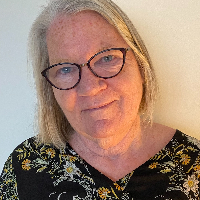
Dr. Allen Stata
LICSW
Alabama 40 years in practice
Experienced LICSW focused on parenting and stress
- Stress, Anxiety
- Family
- Trauma and abuse
Therapists for parents
461 therapists holding Licensed Independent Clinical Social Worker (LICSW) list parenting among the things they work with. Credentials are shown as supplied; the issuing state board is the place to verify one.
A Licensed Independent Clinical Social Worker (LICSW) is a clinical social work license awarded after advanced education, supervised clinical experience, and state testing for independent practice. Below you can browse verified LICSW therapists who list their practice details and approaches on Parent Therapists.
LICSW
Alabama 40 years in practice
Experienced LICSW focused on parenting and stress
LICSW, LCSW, CSW
Georgia 7 years in practice
Practical support for stress and parenting challenges
LCSW, LICSW
Maine 15 years in practice
Calm, practical support for stressed parents
LICSW
Alabama 26 years in practice
Experienced LICSW focusing on practical support
LICSW
Massachusetts 22 years in practice
Experienced parenting clinician focused on practical skills
LICSW, LCSW
New Hampshire 6 years in practice
Practical support for parents and individuals
LCSW, LICSW
New York 30 years in practice
Experienced LCSW helping parents and adults navigate change
LICSW
Massachusetts 40 years in practice
Experienced LICSW guiding practical parenting support
LICSW
Massachusetts 18 years in practice
Understanding, practical help for parents
LICSW
Alabama 3 years in practice
Practical support for stressed and overwhelmed parents
LICSW
Washington 8 years in practice
Practical support for stress and parenting challenges
LICSW
Alabama 35 years in practice
Supportive guidance for parents and individuals
LICSW
Alabama 3 years in practice
Understanding, direct, practical care
LICSW, LCSW
Arizona 40 years in practice
Experienced social worker focused on practical change
LICSW, LCSW
Texas 20 years in practice
Practical, direct, and compassionate care
MD, LCSW-C, LICSW
Maryland 6 years in practice
Calm, practical support for everyday parenting challenges
LICSW, LCSW
New Jersey 12 years in practice
Supportive clinician for daily parenting challenges
LICSW
Alabama 8 years in practice
Supportive therapist for parenting challenges
LICSW
Massachusetts 26 years in practice
Supportive LICSW for relationship and parenting concerns
LICSW
Massachusetts 20 years in practice
Calm, practical support for life changes
LICSW
Massachusetts 14 years in practice
Practical support for stress, addiction, and relationships
LICSW
Alabama 20 years in practice
Compassionate LICSW guiding practical change
LICSW
West Virginia 6 years in practice
Support for parents balancing stress and change
MD, LCSW-C, LICSW
Maryland 46 years in practice
Compassionate guide for practical change
LICSW, LCSW
Texas 9 years in practice
Practical, goal-focused support for everyday challenges
LICSW
Massachusetts 26 years in practice
Experienced LICSW helping parents and adults
LICSW
Minnesota 10 years in practice
Helping parents reduce stress and rebuild balance
LICSW
Alabama 5 years in practice
Helping parents find practical steps forward
LICSW
Massachusetts 30 years in practice
Compassionate, insight-focused help for parents and individuals
LICSW
Washington 12 years in practice
Supportive LICSW focused on practical change
LICSW
Massachusetts 22 years in practice
Practical support for parents and life stressors
LICSW
Washington 12 years in practice
Trusted LICSW for practical parenting support
LICSW
District of Columbia 30 years in practice
Compassionate guidance for parenting and family stress
LCSW, LICSW
Washington 5 years in practice
Practical support for stressed parents and individuals
LICSW
Alabama 18 years in practice
Practical support for stressed parents and caregivers
LICSW
Massachusetts 4 years in practice English, Persian
Support for stress and parenting challenges
LICSW, LCSW
Alabama 4 years in practice
Compassionate support for parenting and stress
LICSW
Massachusetts 32 years in practice
Parenting-focused LICSW with 32 years experience
LICSW
Alabama 13 years in practice
Compassionate, practical therapy for everyday challenges
LICSW
Massachusetts 40 years in practice
Supporting parents through life transitions
LICSW, LCSW
Montana 18 years in practice
Support for parents finding practical solutions
LICSW, MD, LCSW-C
Maryland 10 years in practice
Practical support for parents and life transitions
LICSW
District of Columbia 25 years in practice
Calm, practical therapy for life transitions
LCSW, LICSW
New Mexico 10 years in practice
Practical support for stress and parenting
LICSW
Massachusetts 20 years in practice English, Portuguese
Compassionate social worker for parents
LICSW
Massachusetts 17 years in practice
Supportive LICSW focused on practical parenting help
LICSW
Massachusetts 20 years in practice
Practical therapy for stress and parenting
LICSW
Minnesota 6 years in practice
Support for stressed parents and caregivers
Some links on this page are partner links. We will earn a commission if you sign up through one, at no cost to you. It does not change what you pay or the order of the listings.
A LICSW credential indicates that a clinician has completed the academic and supervised clinical requirements required by their state to practice clinical social work independently. Typically you will find that someone with this title holds a master of social work degree or higher and has completed a significant number of supervised clinical hours after graduation. Those supervised hours are meant to develop assessment skills, psychotherapy techniques, case management strategies, and familiarity with clinical documentation. After completing supervised experience, candidates usually pass a state or national examination before receiving the LICSW designation. While the specific requirements vary by state, the combination of graduate-level education and post-degree supervised work is a consistent feature of the pathway to licensure.
Once licensed, a LICSW is generally required to meet continuing education obligations established by the licensing board. These requirements help ensure that clinicians continue to refine their skills and stay informed about practice standards. When you review a therapist’s profile you may see the professional activities they emphasize, such as working with families, focusing on perinatal mental health, or providing clinical supervision to other social workers. Keep in mind that an approach listed on a profile reflects what a clinician reports about their work rather than an external certification unless explicitly stated by a regulatory or certifying body.
LICSW clinicians are trained to assess, diagnose, and treat a variety of mental health and relational concerns through psychotherapy and clinical social work interventions. Their training frequently emphasizes a biopsychosocial view - considering social and environmental factors alongside psychological and biological influences. Compared with some other license types, a LICSW often brings particular strengths in account of social systems, resource coordination, and community-based interventions. Depending on state rules, an LICSW may have the authority to practice independently, provide clinical supervision to other social workers, and work in settings ranging from outpatient therapy to hospital systems.
When you compare a LICSW to other credentials you will notice differences in training focus and regulatory titles rather than a categorical gap in ability to provide therapy. For example, licensed professional counselors and marriage and family therapists typically complete different degree programs and may emphasize distinct theories or client populations. Psychologists often complete doctoral study and have training that includes psychological testing. Each license type has strengths that make it a good fit for certain needs. A LICSW’s social work orientation can be especially helpful when you want an approach that integrates clinical therapy with attention to family systems, advocacy, and practical supports in community contexts.
LICSW therapists often work across a broad range of issues that affect individuals, parents, and families. You may encounter clinicians who list perinatal support, postpartum mood concerns, parenting challenges, grief and loss, trauma, relationship difficulties, and adolescent behavior among their practice areas. Because social work education foregrounds systems thinking, many LICSWs describe work with families, schools, and community services as part of their approach. When a therapist lists modalities such as cognitive-behavioral techniques, trauma-informed care, or attachment-based approaches, interpret that as an indication of the methods they commonly use rather than proof of external certification.
If you are searching for a clinician to support parenting challenges or family transitions, a LICSW’s combined clinical and systems perspective can be useful. You can expect conversations that attend both to individual coping and to the interactional patterns between caregivers and children. Many LICSWs also help families navigate practical concerns that relate to mental health, such as accessing community resources, coordinating care with schools, or connecting with social supports. Look at clinician profiles to see how they describe their experience with family-focused work and which age ranges or family structures they highlight.
To confirm that a clinician holds an active LICSW credential you can consult the licensing board in the state where the therapist is licensed. Most state boards maintain an online lookup for license status, expiration dates, and any public disciplinary actions. You can search by the clinician’s name or license number, if provided. Many clinicians also list their license number and state on their public profile. Verifying through the licensing board provides official confirmation of licensure status and is an important step if professional credential verification matters to you.
When reviewing profiles, pay attention to how a clinician describes their education, supervised experience, and areas of focus. If a therapist lists specific approaches or topics they work with, that indicates what they commonly apply in practice. Avoid assuming that a listed approach equals formal certification unless the profile explicitly confirms a credential from a recognized certifying body. If verification beyond the licensing lookup would help you feel confident, you can ask the clinician directly about their training history and professional development during an initial conversation.
Choosing a LICSW may offer particular advantages if you want a clinician who integrates clinical therapy with attention to social, environmental, and relational factors. LICSWs are often versed in connecting clients with community resources, working across systems such as schools and healthcare, and considering the social determinants that influence wellbeing. If you value a clinician who frames concerns in the context of family life, community supports, and practical solutions in addition to psychological strategies, a LICSW may align with those priorities.
Start by identifying the issues you want help with and then search for LICSW clinicians who list relevant experience and approaches. Read profiles for details about populations served, languages spoken, and therapeutic methods. Consider reaching out to request a brief introductory conversation where you can ask about the clinician’s approach to your particular concern, how they work with parents or family systems, and what a typical session might involve. When you speak, you can also ask about counseling style, expectations for collaboration, and whether they connect clients with community supports. Pay attention to whether the clinician’s communication style and practical responses align with what you need.
Finding the right therapist is often about both professional fit and personal rapport. Give yourself permission to prioritize how comfortable you feel expressing concerns and how the clinician frames the path forward. You might find that a LICSW’s blend of clinical focus and attention to social supports is exactly the perspective you want, or you might prefer a different license type for other reasons. Either way, using licensure verification, careful review of profiles, and a short introductory conversation can help you make an informed choice that supports your goals as a parent or caregiver.