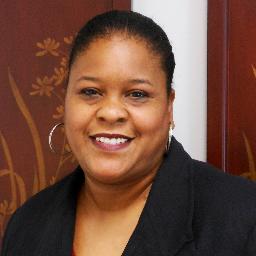
David Falck
LCMHC
Utah 7 years in practice
Practical, collaborative therapy for everyday challenges
- Stress, Anxiety
- Relationship
- Trauma and abuse
Therapists for parents
398 therapists holding Licensed Clinical Mental Health Counselor (LCMHC) list parenting among the things they work with. Credentials are shown as supplied; the issuing state board is the place to verify one.
A Licensed Clinical Mental Health Counselor (LCMHC) is a licensed professional who has completed graduate training, supervised clinical hours, and state licensure requirements for counseling practice. Browse the verified LCMHC therapists below to explore their specialties, approaches, credentials, and languages to help you find a fit.
LCMHC
Utah 7 years in practice
Practical, collaborative therapy for everyday challenges
LMHC, LCMHC
Florida 27 years in practice
Supportive counselor for parenting and life stress
LCMHC
North Carolina 6 years in practice
Support for stress, relationships, and parenting
LCMHC
Utah 6 years in practice
Practical therapy for stressed parents
LCMHC
North Carolina 15 years in practice
Hopeful guidance for everyday parenting challenges
LPC, LCMHC
North Carolina 20 years in practice
Therapist focused on practical parenting support
LCMHC
North Carolina 18 years in practice
Practical, steady support for stressed parents
LCMHC
North Carolina 17 years in practice
Compassionate, practical therapy for everyday challenges
LCMHC
North Carolina 15 years in practice
Calm practical care for parenting and life stress
LPCC, LCMHC
Texas 20 years in practice
Straightforward counseling for life and parenting challenges
LCMHC
North Carolina 11 years in practice
Helping parents manage stress and overwhelm
LCMHC
North Carolina 11 years in practice
Supportive counselor for parenting stress
LMHC, LCMHC
Florida 21 years in practice
Calm guidance for common parenting struggles
LCMHC
North Carolina 19 years in practice
Supportive counselor for parenting and life changes
LCMHC
North Carolina 14 years in practice
Practical support for stressed parents and adults
LCMHC
North Carolina 14 years in practice
Support for parenting stress and family strain
LCMHC
North Carolina 11 years in practice
Supportive counselor for parenting and life stress
LCMHC
North Carolina 17 years in practice
Practical support for parenting and stress management
LCMHC
Utah 10 years in practice
Therapist focused on practical support
LCMHC
North Carolina 5 years in practice
Supportive, practical counseling for life and parenting
LPC, LCMHC
South Carolina 21 years in practice
Compassionate, practical support for parenting stress
LPC, LCMHC
North Carolina 7 years in practice
Calm, practical therapy for stress and parenting challenges
LCMHC
North Carolina 28 years in practice
Practical, affirming therapy for life transitions
LMHC, LCMHC
Florida 24 years in practice
Experienced counselor for parenting and life changes
LPCC, LCMHC
Utah 23 years in practice
Practical, trauma-aware counseling for adults
LCMHC
North Carolina 6 years in practice
Calm, practical support for parenting challenges
LCMHC
North Carolina 15 years in practice
Empathetic, practical therapy for parents and adults
LCMHC
North Carolina 48 years in practice
Experienced counselor for relationship and parenting concerns
LCMHC
North Carolina 12 years in practice
Compassionate, practical counseling for parents
LCMHC
North Carolina 9 years in practice
Practical support for parenting and family stress
LCPC, LCMHC
Kansas 9 years in practice
Supportive counselor for practical change
LCMHC
New Hampshire 38 years in practice
Practical therapy for parenting and relationships
LCMHC, LMHC
North Carolina 12 years in practice
Compassionate counseling for stressed parents
LCMHC, LMHC
Florida 16 years in practice English, Haitian Creole
Supportive therapist for stress and parenting concerns
LCMHC
Vermont 15 years in practice
Compassionate counselor for parenting and life transitions
LCMHC
North Carolina 5 years in practice
Understanding support for parents and adults
LCMHC
North Carolina 23 years in practice
Practical counseling for stress and parenting concerns
LCMHC
North Carolina 21 years in practice
Calm, practical help for parenting and relationships
LCMHC
North Carolina 20 years in practice
Compassionate counselor for everyday parenting challenges
LPC, LCMHC
Arizona 29 years in practice
Compassionate counselor for stress and parenting
LCMHC
North Carolina 11 years in practice
A practical, steady guide through stress and parenting challenges
LCMHC
North Carolina 11 years in practice
Warm, practical counselor for parenting and family concerns
LCMHC
North Carolina 8 years in practice
Practical support for stress and parenting challenges
LCMHC
North Carolina 5 years in practice
Calm, practical support for everyday parenting
LPC, LCMHC
North Carolina 6 years in practice
Calm, practical support for parenting and family life
LCMHC
North Carolina 30 years in practice
Practical, respectful support for parenting and life changes
LPC, LCMHC
North Carolina 9 years in practice
Practical, respectful counseling for parents and adults
LCMHC, MD, LCPC
West Virginia 10 years in practice
Calm, practical support for parenting stress
Some links on this page are partner links. We will earn a commission if you sign up through one, at no cost to you. It does not change what you pay or the order of the listings.
When you see the title Licensed Clinical Mental Health Counselor - often abbreviated as LCMHC - it indicates a counselor who has completed graduate-level education in counseling or a closely related mental health field and who has met additional clinical requirements set by a state licensing board. Those requirements usually include a master’s degree or higher in counseling, psychology, marriage and family therapy, or a related discipline, followed by a period of supervised clinical practice. During that supervised phase you gain focused experience providing assessment and psychotherapy under the oversight of an experienced clinician. Many states then require passage of a clinical exam and ongoing continuing education to maintain an active license. These elements - graduate education, supervised clinical hours, and licensure oversight - are intended to ensure a foundational level of knowledge and clinical experience for counselors who provide psychotherapy and counseling services.
Education programs that prepare you for LCMHC practice typically combine coursework on counseling theories, human development, assessment and diagnosis, ethics, and culturally responsive practice with practicum and internship placements. Supervised clinical hours give therapists experience with diagnostic impressions, treatment planning, and therapeutic interventions across a range of presenting concerns. While exact hour requirements and exam formats vary by state, the combination of graduate study, supervised practice, and licensure is a consistent hallmark of the LCMHC credential.
If you are trying to understand how an LCMHC differs from other mental health professionals, it helps to focus on scope of practice. LCMHCs are trained to provide assessment, diagnosis, and psychotherapy for individuals, couples, families, and groups. You can expect an LCMHC to conduct clinical interviews, develop treatment goals with you, and use evidence-informed strategies to address emotional, behavioral, and relational concerns. Many LCMHCs work with life transitions, parenting challenges, relationship issues, anxiety, depression, grief, and stress-related concerns.
LCMHCs differ from clinical psychologists and psychiatrists in training and typical scope. Psychiatrists are medical providers who can prescribe medication and often focus on medication management alongside psychotherapy when relevant. Clinical psychologists hold doctoral degrees and may engage in psychological testing and research in addition to therapy. Social workers with clinical licensure may have comparable clinical training but follow a different educational and regulatory pathway. The practical implication for you is that an LCMHC is oriented toward talk-based therapy and counseling interventions; if medication or specialized psychological testing is a likely part of your plan, you would typically work with a prescriber or a clinician who provides testing in addition to an LCMHC.
LCMHCs often develop areas of focus that reflect the needs of their communities and their clinical interests. Many list specialties in family and parenting support, couples counseling, adolescent and child mental health, perinatal and postpartum adjustment, trauma, anxiety and mood concerns, grief, and life transitions. Because counseling programs emphasize relational and developmental perspectives, LCMHCs frequently work with parents who are seeking support for child behavior, co-parenting challenges, school-related concerns, or their own stress and wellbeing as caregivers.
Therapists in this credential group may describe their approaches in different terms. You will find therapists who list cognitive behavioral strategies, narrative approaches, mindfulness-informed work, psychodynamic perspectives, solution-focused methods, or somatic awareness among their approaches. When you review profiles it is useful to note that stating an approach on a profile is a way therapists communicate orientation and style. Therapists often combine elements from several approaches to suit a client’s needs. If you are looking for a professional who has worked with a specific population such as adoptive families, blended families, or parents of children with developmental differences, many LCMHC profiles will highlight that experience.
Verifying an LCMHC credential is a practical step you can take before beginning work with a counselor. The most direct route is to use your state licensing board's online license lookup tool to confirm the license holder’s name, license number, current status, expiration date, and any disciplinary history. State boards publish licensing data to help you confirm that a clinician holds the title they claim and that the license is active. You can also request a license number directly from a therapist’s profile or intake materials and use that number in the state database search.
Keep in mind that credential names and exact scope can vary by state, so the label LCMHC may appear alongside related titles or classifications depending on local regulations. If you have questions after checking a public record, the licensing board can often provide clarification about what the credential permits in that jurisdiction. Professional association membership, graduate program information, and listed supervision experience can offer additional context, but the licensing board is the primary source for verification and disciplinary records.
Choosing an LCMHC means selecting a professional who has completed a structured educational pathway and demonstrated clinical experience under supervision. That background tends to produce clinicians who are familiar with a broad range of counseling methods and who are practiced in developing treatment plans and measuring progress. For parents, the LCMHC emphasis on relational and developmental perspectives often translates into practical, skill-focused work you can apply to everyday family interactions. Many LCMHCs bring an orientation toward collaboration, goal-setting, and measurable progress, which can be helpful when you want pragmatic strategies alongside emotional support.
Start by reading therapist profiles to learn about specialties, listed approaches, languages spoken, and experience with family or parenting issues. Look for clinicians who describe work with concerns similar to yours and who communicate a therapeutic style that feels compatible. Consider whether you prefer a therapist who emphasizes skill-building, relational exploration, or trauma-informed pacing, and note when therapists indicate those emphases on their profiles. You may also value cultural or identity-informed experience; many profiles indicate work with diverse populations and describe the populations a therapist frequently serves.
Ask about session format and logistics as part of your initial outreach so you understand whether a therapist works in a comfortable environment that fits your needs. Confirm practical details like fees, insurance acceptance, sliding-scale options, and office location when relevant. If you have children or are seeking family-focused care, ask how a therapist typically structures sessions when working with parents and when they incorporate child-focused interventions. Finally, trust your sense of fit - if a therapist's stated approach and background resonate with you and you feel understood in early communications, that connection can support steady progress toward your goals.
Choosing a counselor is a personal process, and the LCMHC credential provides a useful indicator of training and supervised clinical experience. By combining verification of licensure with attention to specialties, approaches, and communication style, you can make an informed choice about the counselor who best meets your needs as a parent or caregiver.