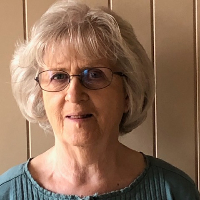
Carolyn Hollingshead, LCSW, LISW-CP
Compassionate social worker with a practical approach
Book with Carolyn- Years in practice
- 22
- Credentials
- LCSW, LISW-CP
- Licensed in
- Utah, South Carolina, North Carolina
- Languages
- English
- Focus
- Stress, Anxiety
- Focus
- Addictions
- Focus
- Relationship issues
About Carolyn
Carolyn Hollingshead, LCSW, LISW-CP, helps people manage stress, anxiety, grief, parenting challenges, eating concerns, and life transitions. She focuses on practical steps that improve day-to-day living and reduce overwhelm. Her background in health and nutrition shapes a whole-person view of problems.
She brings 22 years of clinical experience to each session. Carolyn draws from a few different methods to match what a person needs. She uses Acceptance and Commitment Therapy to help people notice thoughts without being ruled by them.
Background and approach
Cognitive Behavioral Therapy is used to identify unhelpful patterns and try new behaviors. Client-centered listening creates space for people to feel heard and understood. Her prior life as a Registered Dietitian and a PhD in Nutrition influence how she approaches eating issues, body image, and chronic illness.
That background also informs work around grief, chronic pain, and end-of-life concerns. She offers a practical, health-aware perspective for people juggling medical and emotional needs. Sessions tend to be conversational and focused on real problems.
Carolyn aims to help clients find small, doable changes that add up over time. She will look at family history when it helps and use mindfulness or somatic ideas when movement or bodily awareness matters. Clients appreciate a steady clinician who keeps learning.
With a toolbox of evidence-based techniques and an emphasis on insight, she helps people reach clearer moments and new ways of coping.
What Carolyn works with
Everything Carolyn lists, in the therapist's own terms. Parenting is the reason this directory exists; the rest shows what else Carolyn helps people with.
- Stress, Anxiety
- Addictions
- Relationship issues
- Grief
- Depression
- Family conflicts
- Trauma and abuse
- Eating disorders
- Parenting issues
- Anger management
- Self esteem
- Career difficulties
- Bipolar disorder
- Coping with life changes
- Coaching
- Compassion fatigue
- ADHD
- Aging and geriatric issues
- Blended family issues
- Body image
- Chronic pain, illness, and disability
- Communication problems
- Divorce and separation
- Eating and food-related issues
- Family of origin issues
- Family problems
- Guilt and shame
- Hospice and end-of-life counseling
- Isolation / loneliness
- Jealousy
- Life purpose
- Midlife crisis
- Mood disorders
- Panic disorder and panic attacks
- Process addiction (porn, exercise, gambling)
- Self-love
- Social anxiety and phobia
- Somatization
- Women's issues
Approaches Carolyn lists
- Acceptance and Commitment Therapy (ACT)
- Client-Centered Therapy
- Cognitive Behavioral Therapy (CBT)
- Gottman Method
- Mindfulness Therapy
- Motivational Interviewing
- Psychodynamic Therapy
- Solution-Focused Therapy
- Somatic Therapy
Listing an approach is not evidence of training in it. This directory copies what each therapist names and does not check training records.
Approaches that translate well to online care
Acceptance and Commitment Therapy (ACT) helps people notice and sit with difficult thoughts while committing to actions that match their values. It can be useful for anxiety, stress, and parenting challenges when worries interfere with daily life. Cognitive Behavioral Therapy (CBT) focuses on identifying unhelpful thinking and testing new behaviors. It works well for depression, anxiety, eating concerns, and rebuilding routines that support well-being. Client-Centered Therapy emphasizes empathic listening and creating a nonjudgmental space so people can find their own solutions.Choosing a method is a joint process. The therapist will listen to goals and try approaches that match needs and preferences. If something isn’t helping, adjustments are made together until a better fit is found.
Online sessions offer flexibility for busy schedules and for people juggling health or family demands. Video calls allow face-to-face conversation and visual cues. Phone sessions can be a simpler option when bandwidth is limited or for a quick check-in. Live chat and text-based messaging make it easier to get short, focused support between appointments or when written reflection suits someone better.
Questions people ask about Carolyn
What concerns does Carolyn work with?
She supports people with stress, anxiety, depression, grief, parenting challenges, eating concerns, addiction, trauma, and related life changes.
How would you describe her therapy style?
Her style is conversational and practical. She combines listening with tools to try between sessions.
What is her clinical background?
She has 22 years of social work experience and a prior career as a Registered Dietitian plus a PhD in Nutrition.
What credentials and where is she based?
She holds LCSW and LISW-CP credentials and practices from Utah.
Which languages are supported and can she see international clients?
Sessions are offered in English. International clients are not currently accepted.
What session formats are available?
She offers video calls, phone sessions, live chat, and text-based messaging.
How are sessions paid for and what do they cost?
Cost varies with location and therapist availability; sessions use a subscription that can be canceled at any time.
How do I begin working with her?
Select the Start Therapy button, complete a short matching questionnaire, and schedule according to therapist availability.
More therapists for parents in Utah
All in Utah
Heather Malin
LCPC, LMHC
Utah 15 years in practice
Compassionate therapist and practical life coach
- Stress, Anxiety
- Relationship
- Self esteem

Brandy Terry
LMHC
Utah 12 years in practice
Compassionate counselor focused on practical change
- Stress, Anxiety
- Family
- Trauma and abuse

Dr. Kimberly Walsh
UT Psychologist
Utah 32 years in practice
Change-focused psychologist for parents and individuals
- Stress, Anxiety
- Self esteem
- Bipolar