- Years in practice
- 25
- Credentials
- LCSW
- Licensed in
- Utah
- Languages
- English
- Focus
- Stress, Anxiety
- Focus
- Family conflicts
- Focus
- Trauma and abuse
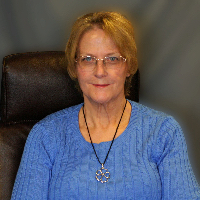
About Carol
Carol Gross is a licensed clinical social worker with 25 years of experience. She combines practical strategies with a calm, down-to-earth style to help people manage stress, anxiety, mood challenges, and parenting concerns. Her background includes long work with addiction, trauma, grief, and attention-related issues, and she brings a problem-solving mindset to sessions.
Carol draws on Acceptance and Commitment Therapy (ACT) and cognitive behavioral techniques to help people notice what matters to them.
Background and approach
She uses mindfulness and client-centered principles to make room for emotion while teaching actionable skills. Sessions focus on small behavior changes that add up over time. She often helps people sort confusing thoughts and feelings using simple tools such as the ACT Matrix.
That tool helps identify values, painful personal experiences, and practical next steps. Carol aims to turn insight into everyday habits rather than long lectures. Her approach also borrows from Dialectical Behavior Therapy when people need skills for emotion regulation and stronger interpersonal boundaries.
Motivational interviewing ideas show up when making lifestyle changes or addressing addictive behavior. The overall emphasis is on clear, doable strategies you can try between sessions. Carol practices from Utah and conducts sessions in English.
Her work is practical and paced to each person’s needs, with attention to parenting stress, sleep and eating problems, career strain, and coping with life transitions. She invites people to bring what’s hard and start with one small change.
What Carol works with
Everything Carol lists, in the therapist's own terms. Parenting is the reason this directory exists; the rest shows what else Carol helps people with.
- Stress, Anxiety
- Family conflicts
- Trauma and abuse
- Anger management
- Bipolar disorder
- Addictions
- Relationship issues
- Grief
- Intimacy-related issues
- Eating disorders
- Sleeping disorders
- Parenting issues
- Self esteem
- Career difficulties
- Depression
- Coping with life changes
- Coaching
- Compassion fatigue
- ADHD
- Abandonment
- Aging and geriatric issues
- Attachment issues
- Autism and Asperger Syndrome
- Avoidant personality
- Blended family issues
- Body image
- Caregiver issues and stress
- Chronic pain, illness, and disability
- Co-morbidity
- Codependency
- Commitment issues
- Communication problems
- Control issues
- Coping with natural or human-caused disaster
- Dependent personality
- Disruptive Mood Dysregulation Disorder (DMDD)
- Divorce and separation
- Domestic violence
- Drug and alcohol addiction
- Eating and food-related issues
- Emptiness
- Family of origin issues
- Family problems
- Fatherhood issues
- Fertility issues
- First responder issues
- Forgiveness
- Guilt and shame
- Hospice and end-of-life counseling
- Impulsivity
- Infidelity
- Intellectual disability
- Isolation / loneliness
- Jealousy
- Life purpose
- Midlife crisis
- Mood disorders
- Narcissism
- Obsessions, compulsions, and OCD
- Panic disorder and panic attacks
- Personality disorders
- Phobias
- Postpartum depression
- Post-traumatic stress
- Pregnancy and childbirth
- Process addiction (porn, exercise, gambling)
- Seasonal Affective Disorder (SAD)
- Self-love
- Social anxiety and phobia
- Traumatic brain injury
- Women's issues
- Workplace issues
- Young adult issues
Approaches Carol lists
- Acceptance and Commitment Therapy (ACT)
- Client-Centered Therapy
- Cognitive Behavioral Therapy (CBT)
- Dialectical Behavior Therapy (DBT)
- Mindfulness Therapy
- Motivational Interviewing
- Solution-Focused Therapy
- Trauma-Focused Therapy
- Internal Family Systems
Listing an approach is not evidence of training in it. This directory copies what each therapist names and does not check training records.
How ACT, CBT, and Mindfulness work online
Acceptance and Commitment Therapy (ACT) helps people clarify what matters to them and take small steps toward those values despite uncomfortable thoughts or feelings. Online ACT sessions often use exercises to notice thoughts, choose a value-driven action, and practice that action between sessions.Cognitive Behavioral Therapy (CBT) focuses on identifying unhelpful thinking patterns and testing them with real-life experiments. In remote sessions the therapist and client review specific situations, try new behaviors, and track what changes over time to reduce symptoms like anxiety or depression.
Mindfulness Therapy teaches simple attention practices to decrease reactivity and improve focus. Short guided exercises can be done live on video or through brief audio or text prompts sent between sessions.
Finding the right approach is a collaborative process. The therapist will work with the client to match methods to goals and preferences, adjusting techniques as progress is made. Expect clear explanations, trial exercises, and ongoing discussion about what helps.
Online formats offer flexibility for busy schedules. Video calls let you practice skills with visual cues. Phone sessions can work when bandwidth is limited or a camera feels like a barrier. Live chat and text-based messaging are useful for quick check-ins, homework prompts, or momentary coaching between sessions. These options make it easier to keep continuity of care and try different tools that fit daily life.
Questions people ask about Carol
What concerns does she address?
She helps with stress, anxiety, depression, parenting strain, grief, trauma and abuse, anger, bipolar mood issues, addictions, ADHD, and related concerns.
What is her therapeutic style like?
Her style blends Acceptance and Commitment Therapy with client-centered care and cognitive behavioral techniques. Sessions focus on noticing values, learning skills, and making small changes.
How much experience does she bring?
She has 25 years of clinical experience working with a wide range of mental health and behavioral issues.
What credentials and location are on file?
She is an LCSW - Licensed Clinical Social Worker practicing from Utah.
Which languages are offered and are international clients supported?
Sessions are offered in English. She does not accept international clients at this time.
What session formats are available?
Sessions can take place via video calls, phone sessions, live chat, or text-based messaging to fit different schedules and needs.
How does cost and payment work?
Cost varies with location and therapist availability. Sessions use a subscription model that can be canceled at any time.
How do I begin working with her?
Start by selecting the Start Therapy button, complete a short matching questionnaire, and schedule according to therapist availability.
More therapists for parents in Utah
All in Utah
Heather Malin
LCPC, LMHC
Utah 15 years in practice
Compassionate therapist and practical life coach
- Stress, Anxiety
- Relationship
- Self esteem

Brandy Terry
LMHC
Utah 12 years in practice
Compassionate counselor focused on practical change
- Stress, Anxiety
- Family
- Trauma and abuse

Dr. Kimberly Walsh
UT Psychologist
Utah 32 years in practice
Change-focused psychologist for parents and individuals
- Stress, Anxiety
- Self esteem
- Bipolar