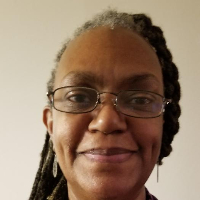
Sheila Askins
MD, LCSW-C
Maryland 28 years in practice
Calm, practical support for parenting and life stress
- Stress, Anxiety
- Addictions
- Depression
Therapists for parents
182 therapists based in Maryland list parenting among the things they work with. Sessions are online; a therapist can usually only see people in the states where they hold a licence, so check each profile.
Welcome to Parent Therapists' Maryland directory for online therapy. All therapists listed here are licensed in Maryland and offer remote services to residents across the state. Explore the profiles below to compare specialties, approaches and languages as you find someone who fits your needs.
MD, LCSW-C
Maryland 28 years in practice
Calm, practical support for parenting and life stress
MD, LSCSW
Maryland 5 years in practice
Practical support for stress and parenting challenges
MD, LCSW-C
Maryland 20 years in practice
Practical help for stress and parenting
MD, LCPC
Maryland 25 years in practice
Support for parents facing stress and change
MD, LCPC
Maryland 10 years in practice
Practical, collaborative therapy for parents and individuals
MD, LCSW-C
Maryland 13 years in practice English, Tigrinya
Practical, compassionate support for parenting and life stressors
MD, LCSW-C
Maryland 20 years in practice
Helpful, practical support for parenting and stress
MD, LCSW-C, LICSW
Maryland 6 years in practice
Calm, practical support for everyday parenting challenges
MD, LCPC
Maryland 26 years in practice
Calm, practical support for parenting and life changes
MD, LCPC
Maryland 15 years in practice
Practical psychotherapy for stress and parenting
MD, LCSW-C
Maryland 9 years in practice
Practical, person-centered support for parents and adults
MD, LCPC
Maryland 23 years in practice
Practical relationship and parenting support
MD, LCSW-C, LICSW
Maryland 46 years in practice
Compassionate guide for practical change
MD, LCPC
Maryland 6 years in practice
Practical support for parenting stress and life change
MD, LCSW-C
Maryland 22 years in practice
Warm, practical therapy for parents and individuals
Maryland 10 years in practice
Purposeful support for stressed parents
MD, LCSW-C
Maryland 12 years in practice
Practical support for parents and caregivers
MD, LCPC, LPC
Maryland 25 years in practice
Supportive clinician for parenting and relationships
MD, LCPC, LPC
Maryland 3 years in practice
Practical support for parenting and life stress
LCSW, CSW, MD, LCSW-C
Maryland 27 years in practice
Experienced LCSW focused on family and parenting
MD, LCPC, LPC
Maryland 15 years in practice
Practical, steady support for parents and relationships
MD, LCPC
Maryland 9 years in practice English, Haitian Creole
Practical, person-centered support for parenting challenges
LICSW, MD, LCSW-C
Maryland 10 years in practice
Practical support for parents and life transitions
MD, LCSW-C
Maryland 3 years in practice
Therapist focused on practical parenting support
MD, LCSW-C
Maryland 30 years in practice
Supportive clinician for parenting concerns
MD, LCSW-C, LCSW
Maryland 30 years in practice
Supportive clinician for parenting and life stress
MD, LCPC
Maryland 7 years in practice
Calm, client-centered counseling for parents and individuals
MD, LCSW-C
Maryland 7 years in practice
Calm guidance for stressed parents
MD, LCPC
Maryland 16 years in practice
Collaborative, practical care for parenting and life changes
MD, LCSW-C
Maryland 22 years in practice
Experienced clinician focused on practical parenting support
MD, LCPC
Maryland 15 years in practice
Calm, practical help for stressed parents
LICSW, MD, LCSW-C
Maryland 20 years in practice
Compassionate, practical therapy for parents
LPC, MD, LCPC
Maryland 8 years in practice
Compassionate guidance for parenting and life stressors
MD, LCSW-C
Maryland 20 years in practice
Compassionate clinician for practical parenting support
LCSW, MD, LCSW-C
Maryland 9 years in practice
Compassionate support for life and parenting challenges
MD, LCSW-C
Maryland 5 years in practice
Compassionate practical support for relationship and parenting concerns
MD, LCSW-C
Maryland 11 years in practice
Careful, practical therapy for parenting and stress
MD, LCSW-C
Maryland 10 years in practice
Practical support for stress and parenting challenges
MD, LCPC
Maryland 7 years in practice
Warm, practical therapy for parenting and life change
MD, LCSW-C
Maryland 9 years in practice
Compassionate, practical care for stressed parents
MD, LCSW-C
Maryland 5 years in practice
Practical, goal-focused support for parents
MD, LCPC
Maryland 23 years in practice
Parenting-focused clinician for family concerns
MD, LCPC
Maryland 25 years in practice
Care-focused counselor for parenting stress
MD, LCSW-C
Maryland 10 years in practice
Experienced clinician focused on everyday parenting challenges
MD, LCPC
Maryland 15 years in practice
Licensed counselor helping parents and individuals
MD, LCPC
Maryland 15 years in practice
Calm, practical guidance for parents and individuals
MD, LCPC
Maryland 6 years in practice
Supportive therapist for parenting and life challenges
MD, LCSW-C
Maryland 15 years in practice
Focused, practical support for parents
Some links on this page are partner links. We will earn a commission if you sign up through one, at no cost to you. It does not change what you pay or the order of the listings.
Online therapy has become a widely used option for people across Maryland who want the convenience of counseling without traveling to an office. In recent years the state has seen an increase in clinicians offering sessions by video or phone, and many of those who appear in this directory provide services from locations throughout Maryland. You will find professionals who hold different license types and list a variety of therapeutic approaches, and this variety makes it easier to match with someone whose experience matches the concerns you want to address.
When you search listings here, you can view the kinds of licenses clinicians hold, the populations they focus on, and details such as languages spoken and typical session formats. Because this page focuses on online options, you can use filters to find therapists who explicitly describe remote work in their profiles. Therapists who list EMDR among their approaches, those who emphasize cognitive behavioral techniques, and those who describe family or parent-focused work are all visible in the same directory. This approach gives you the ability to compare profiles at your own pace before reaching out.
Choosing online therapy can reduce barriers that might otherwise make it difficult for you to get help. You may save time on commuting, find sessions that fit better with your work or family schedule, and access clinicians who serve specific communities or language groups that are not abundant where you live. For parents, remote sessions can make it easier to coordinate care around children's routines or to include other family members in joint meetings when needed.
Online therapy also expands the geographic pool of clinicians available to you. If you live in a rural county or an area with fewer local providers, you can work with someone licensed in Maryland who practices from another part of the state. The remote format can help sustain continuity of care when life requires you to travel or relocate within Maryland. As you consider this option, think about how the format aligns with your communication preferences - some people prefer video, others find phone sessions less demanding, and some combine approaches over time.
Therapists offering online services in Maryland work with a broad range of concerns. You can find clinicians who focus on mood-related issues such as anxiety and depression, relationship and family dynamics, parenting support, stress management, transitions like moving or job changes, and coping with grief or loss. Many therapists also list specialties related to life stage - for example, working with teens, young adults, new parents, or caregivers. The remote format is suitable for ongoing therapy, short-term problem-solving work, and brief consultations to coordinate care with other professionals.
In addition to general mental health topics, some therapists describe expertise in working with trauma, behavioral concerns in children and adolescents, school-related challenges, and couple or family communication. Keep in mind that profiles may list therapeutic approaches such as cognitive behavioral techniques, dialectical strategies, narrative work, or other modalities. You will also find therapists who indicate experience working with cultural, ethnic, or language-specific needs, which can be particularly helpful if you want care in a language other than English or from someone who understands your cultural background.
Verifying a therapist's license is an important step in choosing a clinician. Start by identifying the professional title shown on a profile - common examples include licensed professional counselors, licensed clinical social workers, and psychologists. Each license type is overseen by a state licensing board, and Maryland maintains public license lookup tools that allow you to confirm a clinician's current status. You can search by full name or license number to see whether a license is active and to view any public disciplinary history.
When you review a record, check the license type, the expiration date, and any board notices or sanctions that may be listed. If a profile provides a license number, you can use it to speed up the search. If a profile does not include a number, searching by name is still useful but take care to verify the full name and city to ensure you are viewing the right record. If you have questions about what you find, state boards typically provide contact details so you can request clarification or confirm how to interpret public records.
Before you reach out, think about the practical details you want to cover in an initial message or phone call. Many people find it helpful to note the concerns they want to address, the format they prefer - video or phone - and any logistics related to scheduling and fees. You may also want to ask whether the therapist works with your particular insurance plan or offers a sliding fee option. Preparing a short list of questions in advance helps you get the information you need during that first exchange.
Make sure you have access to a reliable internet connection and a device with a camera and microphone if you plan to use video. Find a quiet space where interruptions are unlikely - a quiet space such as a closed room or parked car can help protect your privacy. Consider using headphones to reduce background noise and to keep the conversation between you and the clinician. If you have concerns about technology, you can mention them when you first contact the therapist and ask whether they offer a brief platform check or a phone alternative.
Choosing a therapist is a personal decision and it is normal to take time when comparing profiles. Start by looking for clinicians who list approaches that resonate with you and who describe experience with the issues you want to address. If you are a parent, you may prioritize clinicians who emphasize family work, parent coaching, or pediatric behavioral concerns. Pay attention to the populations therapists describe working with - age groups, cultural backgrounds, and languages spoken - so you can find someone whose practice aligns with your needs.
Credentials and length of practice are part of the picture, but also read clinicians' descriptions to get a sense of their style and values. Some profiles include statements about how therapists work with families, their orientation toward collaborative care, or the kinds of goals they commonly set with clients. If you have specific questions about approach, session structure, or measurement of progress, you can bring those up during your initial contact to determine whether the clinician's way of working feels like a fit. Ultimately, a good match is one where you feel heard and understood, where the therapist's approach aligns with your goals, and where practical factors like language and logistical preferences are manageable for you.
Using the directory, you can compare profiles side by side and save a short list of therapists you want to contact. Take your time reviewing credentials, biographies, and stated specialties to build confidence in your choice. When you do reach out, clear communication about goals, session format and practical needs will help you settle into therapy more quickly. If you decide to try a different clinician later, that is a normal part of the process as you refine what works best for you and your family.
Online therapy in Maryland can offer flexible, accessible options for parents and families as well as individuals seeking support. By verifying licenses, preparing for remote sessions, and focusing on the match between your needs and a therapist's approach, you increase the chance of a productive therapeutic relationship. Explore the profiles listed above to begin that process and find an online therapist who fits the goals you have for care.