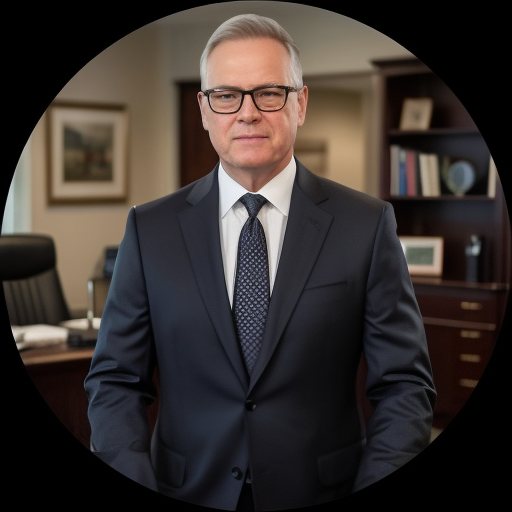
Denise King
LPC-MHSP
Tennessee 10 years in practice
Compassionate counselor for everyday parenting struggles
- Addictions
- Relationship
- Trauma and abuse
Therapists for parents
40 therapists holding Licensed Professional Counselor - Mental Health Service Provider (LPC-MHSP) list parenting among the things they work with. Credentials are shown as supplied; the issuing state board is the place to verify one.
A Licensed Professional Counselor - Mental Health Service Provider (LPC-MHSP) is a licensed counselor who has met state education and supervised practice requirements to provide mental health care. Browse verified LPC-MHSP therapists below to review credentials, approaches, and specialties listed by each clinician.
LPC-MHSP
Tennessee 10 years in practice
Compassionate counselor for everyday parenting struggles
LPC-MHSP
Tennessee 30 years in practice
Supportive counselor for parenting challenges
LPC-MHSP, LMHC
Florida 7 years in practice
Practical counseling for stressed parents
LPC-MHSP
Tennessee 30 years in practice English, Japanese
Practical guidance for parenting and life stress
LPC-MHSP
Tennessee 4 years in practice
Compassionate counselor focused on practical growth
LPC-MHSP, LPC
Oklahoma 22 years in practice
Warm support for stressed parents and individuals
LPC, LPC-MHSP
Tennessee 8 years in practice
Compassionate counselor for addiction and life changes
LPC-MHSP
Tennessee 12 years in practice
Calm guidance for parenting and life transitions
LPC-MHSP, LPC
Texas 4 years in practice
Compassionate counseling for everyday struggles
LPC-MHSP
Tennessee 8 years in practice
Therapist who values honest, practical support
LPC-MHSP
Tennessee 10 years in practice
Supportive counselor for practical life changes
LPC, LPC-MHSP
Tennessee 16 years in practice
Compassionate counselor for real-life parenting stress
LPC-MHSP
Tennessee 16 years in practice
Practical support for stressed and overwhelmed parents
LPC-MHSP, LPC
Georgia 7 years in practice
Compassionate, practical support for parenting and life stressors
LPC, LPC-MHSP
Tennessee 16 years in practice
Practical therapy for parenting and life transitions
LPC-MHSP
Tennessee 6 years in practice
Therapist for people dealing with life transitions
LPC, LPC-MHSP
Tennessee 11 years in practice
Compassionate, practical support for parents
LPC-MHSP
Tennessee 24 years in practice
Calm, practical support for stressed parents
LPCC, LPC-MHSP
Tennessee 8 years in practice
Compassionate, practical support for parenting and life
LPC-MHSP
Tennessee 5 years in practice
Calm, practical support for parenting and stress
LPC-MHSP
Tennessee 20 years in practice
Therapist focused on practical change and support
LPC-MHSP
Tennessee 9 years in practice
Compassionate, practical counseling for life transitions
LPC-MHSP
Tennessee 13 years in practice
Compassionate, practical counseling for everyday challenges
LPC-MHSP
Tennessee 4 years in practice
Practical support for parents and adults
LPC-MHSP
Tennessee 5 years in practice
Helping parents reduce stress and build confidence
LPC-MHSP
Tennessee 9 years in practice
Practical support for stress and parenting
LPC-MHSP
Tennessee 4 years in practice
Practical parenting support with a steady guide
LPC-MHSP
Tennessee 7 years in practice English, French
Practical, compassionate counseling for parents and adults
LPC-MHSP
Tennessee 13 years in practice
Compassionate, practical support for parenting and life challenges
LPC-MHSP
Tennessee 15 years in practice
Practical support for stress, trauma, and parenting
LPC-MHSP, LPC
Tennessee 6 years in practice
Compassionate counselor for stress and parenting
LPC, LPC-MHSP
Tennessee 10 years in practice
Practical support for parenting and family stress
LPC-MHSP
Tennessee 6 years in practice
Compassionate counselor for stress and parenting
LMHC, LPC-MHSP
Florida 25 years in practice
Experienced counselor for parenting and relationships
LPC-MHSP, LMHC
Florida 20 years in practice
Practical, goal-focused counseling for life stressors
LPC-MHSP
Tennessee 38 years in practice
Experienced counselor for parenting stress
LPC, LPC-MHSP
Tennessee 14 years in practice
Practical, supportive counseling for stress and addiction
LPC-MHSP
Tennessee 4 years in practice
Therapist focused on practical support
LPC-MHSP, LPC
Georgia 14 years in practice
Calm, practical counseling for parents and adults
LPC-MHSP
Tennessee 10 years in practice
Supportive counselor for parenting and trauma recovery
Some links on this page are partner links. We will earn a commission if you sign up through one, at no cost to you. It does not change what you pay or the order of the listings.
The LPC-MHSP credential denotes a licensed professional counselor who meets a specific state's criteria for delivering mental health services. That typically includes a master’s or doctoral degree in counseling or a closely related field, completion of a required number of supervised clinical hours after graduation, and passage of a state-recognized licensing exam. In many states the MHSP designation clarifies that the counselor is authorized to provide mental health diagnosis and treatment, subject to state law and board rules. Education, practicum, internship, and post-degree supervision form the backbone of the credentialing path, so licensure reflects academic preparation combined with applied clinical experience under supervision.
Because licensure rules vary by state, the exact title and practice parameters can differ. Some states use slightly different names or add endorsements that change how a counselor documents or bills for services. What remains consistent is that LPC-MHSP identifies counselors who have moved beyond provisional credentials and met the benchmarks required by the licensing board to practice independently in mental health settings.
You can expect that most LPC-MHSP professionals hold at least a master’s degree in counseling, psychology, or a related behavioral health field. Schools typically include coursework in human development, assessment, ethical practice, and counseling techniques. After the degree, clinicians complete supervised clinical hours, which are reported to the state board as part of the license application. Passing a national or state clinical exam is usually the final step before full licensure.
As someone seeking help, it helps to understand how the LPC-MHSP role fits into the broader mental health workforce. LPC-MHSP counselors are trained to assess emotional and behavioral concerns, provide psychotherapy, help clients develop coping strategies, and collaborate with other providers when coordinated care is needed. Their scope centers on talk-based therapies and clinical interventions appropriate to their education and supervised experience.
Compared to a clinical psychologist, who typically holds a doctoral degree and may administer more extensive psychological testing, an LPC-MHSP focuses primarily on therapeutic counseling rather than formal psychometric evaluation. Compared to a licensed clinical social worker, an LPC-MHSP may have different training emphases; social work education often includes systems-level practice and case management components. Marriage and family therapists concentrate on relational dynamics within couples and families, while LPC-MHSP counselors may work with individuals, families, and groups depending on their stated specialties. Medical prescribers, such as psychiatrists, have a distinct role because they can prescribe medication; LPC-MHSPs do not prescribe medication but can work alongside prescribers as part of a treatment team.
The kinds of services an LPC-MHSP provides can depend on their practice environment. In schools, outpatient clinics, community mental health centers, or independent practice, counselors adjust their approach to meet setting expectations and population needs. Licensing defines the legal boundaries, while workplace policies and employer supervision can shape day-to-day responsibilities.
Many LPC-MHSP therapists list a range of specialties that reflect their interests and experience with particular populations or issues. Common areas include anxiety, depression, parenting and family concerns, relationship issues, stress management, grief and loss, and work-related difficulties. You will also find professionals who work with children, adolescents, or adults and those who note experience supporting perinatal mental health, behavioral challenges, and school-related struggles.
Therapists may also list therapeutic approaches they use, such as cognitive-behavioral strategies, psychodynamic ideas, narrative methods, or mindfulness-based practices. When you review profiles, note that listing an approach is not the same as a certification or formal specialty designation. It simply indicates that the therapist uses that set of methods in their work. If you are specifically interested in trauma-focused work, play therapy for children, or support for parenting transitions, look for clinicians who explicitly describe experience and comfort with those populations in their profiles.
For parents seeking support, many LPC-MHSP therapists emphasize family dynamics, parenting strategies, and the intersection of parental wellbeing with child behavior. They often frame sessions to help you develop practical communication tools, behavior plans, or emotion regulation strategies that can be used at home. If you’re balancing multiple roles or navigating a major change, therapists who note family-focused approaches may be particularly relevant.
Verifying a license is an important step when you are reviewing clinician profiles. Start with the state licensing board website where counselors are licensed. Most boards offer an online license lookup tool where you can enter a clinician’s name or license number. That lookup will typically show the license status, issue and expiration dates, and whether any disciplinary actions are recorded. If the listing includes an MHSP endorsement or note, the board record will confirm the designation and how it is displayed under state regulations.
When you examine a board record, pay attention to whether the license is active and in good standing. License lookup pages may also provide contact information for the board if you have questions or need clarification. Independent verification provides reassurance that the credential is current and that the clinician meets the administrative requirements imposed by the state. Keep in mind that online directory profiles are helpful summaries, but the licensing board is the authoritative source for legal standing.
Besides the licensing status, look for clarity about the populations a counselor works with, the issues they commonly address, languages spoken, and the formats they list, such as in-person or online work. Some clinicians include short descriptions of their approach and experience with families, children, or parent-specific concerns. Profiles that are clear about focus areas will help you narrow your search.
Choosing an LPC-MHSP means selecting a counselor who has completed a recognized educational path and post-degree supervision consistent with state licensure standards. That background often results in clinicians who are prepared to offer assessment and talk-based interventions tailored to emotional and behavioral concerns. If you are a parent seeking support for yourself or your child, counselors who list family or parenting specialties can help you explore strategies, communication patterns, and coping skills that fit your day-to-day life.
When you are looking for the right match, think about the issues you want to address and the kind of relationship that will support change. Read profiles for indications of experience with the age group, cultural considerations, or concerns you bring. Consider whether you prefer a clinician who lists particular therapeutic approaches, speaks your language, or notes experience with school systems or pediatric professionals. Practical details like session format, fee types, and whether the clinician notes work with families can also guide your choice.
It can be useful to prepare a few questions to ask during an initial conversation. You might ask about how the counselor typically approaches concerns like yours, what a few early sessions might focus on, and how they involve parents or caregivers when working with children. If cost or insurance is a factor, you can ask about fee structures and payment methods. A short preliminary conversation often gives you a sense of fit and whether the clinician’s approach resonates with your priorities.
Finding a counselor is a personal process. Use licensing verification and clear profile information as practical tools while paying attention to whether you feel heard and understood by the clinician. Over time you can decide whether the working relationship helps you meet your goals and find a path forward that suits your family’s needs.