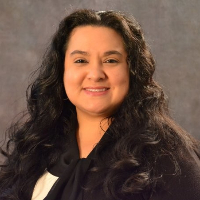
Carolyn Faucette
LISW
Ohio 20 years in practice
Practical, respectful therapy for life changes
- Stress, Anxiety
- Relationship
- Grief
Therapists for parents
213 therapists holding Licensed Independent Social Worker (LISW) list parenting among the things they work with. Credentials are shown as supplied; the issuing state board is the place to verify one.
A Licensed Independent Social Worker (LISW) is a clinical social work license that indicates a clinician has completed graduate education and required supervised experience. Browse verified LISW therapists below to compare credentials, specialties, and therapeutic approaches.
LISW
Ohio 20 years in practice
Practical, respectful therapy for life changes
LCSW, LISW
Pennsylvania 30 years in practice
Experienced LCSW focused on practical parenting support
LISW
Ohio 19 years in practice
Compassionate support for practical life changes
LISW
Ohio 17 years in practice
Experienced Ohio LISW focused on practical parenting support
LISW
Ohio 25 years in practice
Experienced Ohio LISW who focuses on parenting and family issues
Ohio 11 years in practice English, Spanish
Compassionate support for parenting and life changes
LISW
Ohio 17 years in practice
Practical, strength-focused support for parents
LISW
New Mexico 19 years in practice
Calm, practical therapy for parents and individuals
LISW
Ohio 6 years in practice
Compassionate, practical support for stressed caregivers
LISW
South Carolina 20 years in practice
Practical social work focused on parenting and change
LISW, LCSW, CSW
Georgia 25 years in practice
Compassionate social worker for parents and individuals
LISW
Ohio 20 years in practice
Compassionate, practical therapist for parenting challenges
LISW
Iowa 9 years in practice
Practical support for stressed and overwhelmed parents
LISW
Ohio 25 years in practice
Supportive Ohio therapist for parents and adults
LISW
Ohio 20 years in practice
Supportive LISW guiding practical change
LISW, LCSW, CSW
Colorado 9 years in practice
Compassionate clinical social worker for parents
Iowa 12 years in practice
Practical, steady support for parents and adults
LISW
Ohio 8 years in practice
Compassionate, practical support for parents and individuals
LSCSW, LISW
Kansas 41 years in practice
Compassionate guidance for parenting and life change
LCSW, CSW, LISW
Texas 10 years in practice
Supportive LCSW focused on practical parenting help
LISW
South Carolina 20 years in practice
Practical, steady support for parenting and life changes
LISW
Iowa 30 years in practice
Practical support for stress, trauma, and parenting challenges
LISW
Ohio 20 years in practice
Supportive Ohio social worker for parenting challenges
LISW, LSCSW
Ohio 26 years in practice
Direct, practical therapy focused on skills
LCSW, LISW
New York 11 years in practice
Practical, relationship-focused care for parents and individuals
LISW
Ohio 25 years in practice
Practical, collaborative support for parenting challenges
LCSW, LISW
Ohio 11 years in practice
Practical support for parenting and life stressors
LISW
Ohio 3 years in practice
Compassionate, practical support for parents
LISW
Ohio 12 years in practice
Practical support for overwhelmed parents
LMSW, LISW
Michigan 18 years in practice English, Spanish
Supportive licensed social worker for parenting and mood concerns
LISW
Ohio 10 years in practice
Supportive social worker for life and parenting strain
LCSW, LISW
North Carolina 29 years in practice
Therapist focused on relationships and practical skills
LCSW, LISW
Ohio 20 years in practice
Compassionate, practical help for parents and individuals
LISW
Ohio 10 years in practice
Compassionate support for parents and adults
LISW, LICSW
Minnesota 3 years in practice
Supportive licensed social worker for parenting concerns
LISW
Ohio 9 years in practice
Practical support for parenting and life stress
LISW, LCSW
Arizona 25 years in practice
Compassionate, experienced social worker for parents
LISW
Ohio 4 years in practice
Compassionate support for parents and individuals
LISW
Ohio 7 years in practice
Helping parents handle stress and change
LISW, LICSW
Ohio 26 years in practice
Practical support for parenting and life changes
LCSW, LISW
Ohio 15 years in practice
Supportive therapist for parenting and life changes
LCSW, LISW
Ohio 16 years in practice
Practical support for stress and parenting concerns
LISW
Ohio 20 years in practice
Calm, practical support for parents and adults
LISW
Ohio 9 years in practice
Support for stress, relationships, and parenting
LISW
Ohio 9 years in practice English, Hebrew
Compassionate, practical support for parenting and life challenges
South Carolina 18 years in practice
Compassionate therapist helping parents and adults
LISW
Ohio 10 years in practice
Supporting parents with practical coping skills
LISW
Ohio 6 years in practice
Helping parents find calmer, workable paths
Some links on this page are partner links. We will earn a commission if you sign up through one, at no cost to you. It does not change what you pay or the order of the listings.
When you see the LISW credential next to a therapist's name, it signals that they have met the licensing requirements in their state to practice independently in clinical settings. While exact rules vary by state, the path typically includes earning a master's degree in social work, completing a period of supervised clinical experience after graduation, and passing a state or national licensing examination. LISW licensure is a professional milestone that reflects both academic preparation and post-graduate clinical work.
The LISW designation places emphasis on clinical practice. That means LISW clinicians focus on assessment, diagnosis, and psychotherapy for individuals, couples, children, and families. Their training is rooted in social work principles, which tends to emphasize the person-in-environment perspective. This perspective asks how relationships, community systems, schools, and economic conditions interact with a person’s wellbeing. For parents and caregivers, that systems view can translate into an approach that attends not only to individual symptoms but also to family dynamics, school interactions, and access to community supports.
You can expect LISW therapists to provide clinical services such as assessment and psychotherapy within the scope defined by their state license. In many jurisdictions LISW clinicians may diagnose mental health conditions, develop treatment plans, and offer ongoing therapy. They often work with complex family dynamics, child behavioral concerns, perinatal and postpartum issues, grief, and stress related to caregiving or life transitions. Because social work education integrates knowledge of systems and community resources, you may find LISW therapists comfortable coordinating care that connects you to schools, pediatricians, or social services when that is helpful to treatment.
Comparing LISW to other licenses can help you choose a clinician whose background aligns with your needs. Psychologists hold doctoral degrees and may offer psychological testing in addition to therapy. Marriage and family therapists typically emphasize relational dynamics and may focus on couples and family systems. Licensed professional counselors often have training centered on individual psychotherapy. LISW clinicians bring a distinct social work lens that blends psychotherapy with attention to social context and practical supports. That difference can matter when your concerns include parenting stress, navigating school systems, or coordinating multiple providers.
LISW clinicians commonly work with parents and families across a range of life stages and challenges. You will often find LISW therapists who list child and adolescent behavior, family therapy, perinatal and postpartum mental health, trauma, grief, adoption and foster care, and school-related issues among their specialties. Many also describe experience with parenting support, co-parenting challenges, and transitions like divorce or blended family dynamics. Because social workers are trained to consider broader social influences, LISW therapists frequently incorporate attention to housing, employment, and community resources into treatment when those factors affect family functioning.
In terms of therapeutic approaches, LISW clinicians may report the use of a variety of methods. You might see therapists who list cognitive-behavioral approaches, trauma-informed care, family systems therapy, play-based techniques for children, or approaches focused on attachment and bonding. Remember that a listing of an approach indicates it is among the methods a clinician uses, not that the provider holds a specific certification in it. If a particular approach matters to you, look for therapists who explicitly describe how they apply it with parents and children, and ask about how it would be used to address your goals.
If you want to confirm that a clinician's LISW credential is current, the most direct route is the state licensing board that issued the license. Most boards offer an online license lookup where you can enter a clinician's name or license number to view the license status, expiration date, and any public actions or restrictions. If the licensing board does not publish online records, you can call the board and request verification. Professional association directories and employer websites can offer additional context, but the licensure board is the primary source for official status.
When verifying a credential, note the issuing state and the exact license type, since titles and scopes vary. Pay attention to whether the license is listed as active and whether any disciplinary history is recorded. You may also review a clinician's listed education to confirm a social work degree, such as an MSW, and the timing of supervised clinical experience. If you have questions about what the license allows in your state, the licensing board can provide guidance. Keeping this verification step in mind ensures you are working with someone whose credential has been reviewed by the regulating authority.
Choosing a LISW therapist can bring benefits if you value a clinically focused approach grounded in social work principles. You can expect attention to how relationships, community systems, and practical life stressors intersect with mental health. LISW clinicians often have experience assisting families with resource navigation and connecting with schools or community services, which can be especially helpful if you face logistical challenges in addition to emotional ones. Their training typically emphasizes advocacy, cultural sensitivity, and an ecological view of wellbeing.
When you search for the right LISW therapist, begin by identifying the issues most important to you - whether that is child behavior, postpartum adjustment, blended family concerns, or grief. Look for clinicians who describe relevant experience and who explain how they work with parents and children. Consider practical match factors such as the clinician's experience with your child's age group, language skills, cultural competence, session format, and fee structure. Read therapist profiles to learn how they describe their approach and what a typical session might involve.
It's reasonable to contact a few clinicians to ask about how they would approach your concerns. Ask about typical goals, how they involve caregivers in the work, and how they coordinate with schools or pediatric providers when needed. You may also inquire about session length, record-keeping, and payment options. Trust your sense of fit - the relationship with your therapist is an important part of effective work. Over time you will get a clearer sense of whether the LISW's perspective and methods align with your priorities and help you make progress toward the outcomes you want for yourself and your family.
Finding a LISW therapist can be a practical step toward addressing parenting challenges, child behavior concerns, or family transition issues. Use licensure verification, carefully review specialties and approaches, and focus on match factors that matter to you. With those steps, you can connect with a clinician whose social work perspective supports both individual healing and the broader needs of your family.