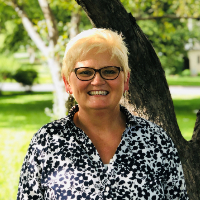
Carmen Chaney
LIMHP
Nebraska 17 years in practice
Practical, skills-based therapy for everyday challenges
- Stress, Anxiety
- Family
- Trauma and abuse
Therapists for parents
48 therapists holding Licensed Independent Mental Health Practitioner (LIMHP) list parenting among the things they work with. Credentials are shown as supplied; the issuing state board is the place to verify one.
A Licensed Independent Mental Health Practitioner (LIMHP) is a clinician who has completed graduate-level education and supervised clinical experience that allows independent practice in many states. Browse the verified LIMHP therapist profiles below to find professionals who list relevant approaches and specialties that match your needs.
LIMHP
Nebraska 17 years in practice
Practical, skills-based therapy for everyday challenges
LIMHP
Nebraska 10 years in practice
Parenting-focused counselor who listens and guides
LIMHP
Nebraska 8 years in practice
Compassionate practical therapy for everyday challenges
LIMHP
Nebraska 18 years in practice
Practical support for stress and parenting concerns
LIMHP
Nebraska 3 years in practice
Support for parents facing stress and change
LIMHP
Nebraska 19 years in practice
Practical, relationship-focused therapy for life challenges
LIMHP
Nebraska 11 years in practice
Practical, present-focused therapy for everyday challenges
LIMHP
Nebraska 15 years in practice
Experienced Nebraska mental health practitioner
LIMHP
Nebraska 50 years in practice
A steady, experienced guide for life changes
LIMHP
Nebraska 31 years in practice
Practical, experienced support for parenting and relationships
LIMHP
Nebraska 6 years in practice
Compassionate practical help for parenting and life changes
LIMHP
Nebraska 3 years in practice
Compassionate, practical support for change
LIMHP
Nebraska 3 years in practice
Supportive guidance for stressed parents
LPC, LIMHP
Arizona 19 years in practice
Support for stress, parenting, and life direction
LIMHP
Nebraska 7 years in practice
Compassionate, practical support for everyday parenting challenges
LISW, LIMHP
Nebraska 15 years in practice
Calm, practical support for parents and families
LMHC, LIMHP
Nebraska 25 years in practice
Helping parents navigate change and stress
LIMHP, LMHP
Nebraska 16 years in practice
Support for stressed parents and individuals
LIMHP
Nebraska 9 years in practice
Supportive therapist for busy parents
LIMHP
Nebraska 17 years in practice
Practical, collaborative care for parenting and life challenges
LCPC, LIMHP
Ohio 19 years in practice
Supportive, practical counseling for everyday life
LIMHP
Nebraska 26 years in practice
Practical, experience-based help for life changes
LIMHP
Nebraska 9 years in practice
Compassionate, practical therapy for everyday challenges
LMHP, LIMHP
Nebraska 8 years in practice
Helping parents build practical coping skills
LIMHP
Nebraska 6 years in practice
Supportive, skills-focused therapy for everyday challenges
LIMHP
Nebraska 6 years in practice
Compassionate, practical support for everyday challenges
LIMHP
Nebraska 10 years in practice
Calm, practical support for parents and life changes
LISW, LIMHP
Nevada 13 years in practice
Calm, practical support for parenting and recovery
LISW, LIMHP
Iowa 11 years in practice
Supportive licensed clinician for practical parenting help
LIMHP, LMHP
Nebraska 8 years in practice
Supportive therapist for parenting and life stress
LPC, LIMHP
Nebraska 15 years in practice
Guide for rebuilding after setbacks
LMHC, LIMHP
Nebraska 3 years in practice
Practical, story-focused counselor for parents
LICSW, LIMHP
Washington 15 years in practice
Compassionate clinician focused on practical growth
LMHC, LIMHP
Nebraska 17 years in practice
Practical, goal-focused support for parents
LIMHP, LMHP
Nebraska 16 years in practice
Compassionate, practical therapy for parents and adults
LIMHP, LMHP
Nebraska 10 years in practice
Compassionate practical support for parents and individuals
LIMHP, LMHP
Nebraska 17 years in practice
Compassionate, experienced Nebraska clinician
LIMHP
Nebraska 25 years in practice
Helping parents and individuals find steadier days
LMHC, LIMHP
Nebraska 10 years in practice
Practical, goal-focused therapy for parents
LIMHP
Nebraska 21 years in practice
Calm, practical support for everyday parenting challenges
LIMHP
Nebraska 6 years in practice
Practical, respectful care for stressed parents
LCSW, LIMHP
Nebraska 7 years in practice
Practical support for stress and parenting challenges
LIMHP
Nebraska 33 years in practice
Compassionate practical therapy for parents and adults
LIMHP
Nebraska 13 years in practice
Practical, conversational support for parenting stress
LPC, LIMHP
Nebraska 12 years in practice
Practical support for parents and caregivers
LMHP, LIMHP
Nebraska 19 years in practice
Helping parents move forward with practical steps
LMHC, LIMHP
Nebraska 27 years in practice
Calm, practical counseling with faith-informed care
LIMHP
Nebraska 6 years in practice
Compassionate, practical support for life’s challenges
Some links on this page are partner links. We will earn a commission if you sign up through one, at no cost to you. It does not change what you pay or the order of the listings.
A LIMHP designation indicates that a clinician has completed an advanced degree in a mental health field such as counseling, social work, marriage and family therapy, or clinical psychology, followed by a period of supervised clinical practice after graduation. In many jurisdictions the pathway includes a set number of supervised hours, documentation of clinical work, and a passing score on one or more licensure examinations. While the exact titles and steps vary by state, the common thread is formal graduate education plus experience under supervision that allows a practitioner to function independently from their supervisors.
The LIMHP credential is a regulatory designation that signals a state’s licensing board has authorized the practitioner to provide mental health services without direct oversight. That authorization is tied to continuing education requirements and professional standards enforced by the licensing body. For you as a care-seeker, LIMHP indicates that a provider has met a recognized threshold of academic and supervised clinical work that supports independent clinical judgment.
As someone looking for therapy, you will find that LIMHPs are qualified to perform comprehensive clinical assessments, develop treatment plans, and provide psychotherapy across a range of presenting concerns. LIMHPs routinely work with individuals, couples, and families and may coordinate care with primary care providers, schools, or other professionals when appropriate. Their scope often overlaps with other licensed professionals, but the LIMHP designation denotes independent practice authority in jurisdictions where that title is used.
The distinction between LIMHP and other credentials can be administrative and practical. Some licenses specialize by discipline name, such as licensed clinical social worker or licensed professional counselor, while LIMHP may appear as a title used to recognize independent practice within a particular state’s regulatory framework. When comparing clinicians, focus on the services they describe, their stated specialties, and the populations they serve rather than only the license name. Those factors more directly affect the fit between you and a therapist.
Many LIMHPs list a range of specialties, which commonly include parenting support, family conflict, anxiety, depression, trauma-related concerns, grief, and relationship strain. You may also find LIMHPs who emphasize work with children and adolescents, perinatal mental health, co-parenting transitions, and behavioral challenges. Therapists on directory profiles often indicate the populations they work with and the issues they focus on, giving you a sense of which clinicians describe experience relevant to your situation.
Profiles typically mention therapeutic approaches that a clinician uses in practice. Because listing an approach does not by itself speak to specific credentials in that modality, pay attention to how a therapist frames their work. Many LIMHPs describe their approach as integrative or trauma-informed, and some note that they draw from cognitive, relational, developmental, or attachment-informed perspectives. If a particular method matters to you, look for therapists who explicitly discuss how they apply those ideas to issues such as parenting stress, adolescent behavior, or relationship repair.
If you want to confirm a LIMHP credential, the most reliable source is the state licensing board that issues mental health licenses where the therapist practices. Most boards provide online license lookup tools where you can search by name, license number, or city. Those records typically show license status, expiration date, and any disciplinary actions. Because licensing rules differ across states, the board’s information will explain exactly what the LIMHP designation means in that jurisdiction.
When you review a therapist’s profile, look for clarity about education, licensure, and the state in which the license is held. If the profile is not detailed, you can ask the clinician directly through the directory contact options for the name of their licensing board and the license number. You may also ask about their supervised experience timeline and continuing education interests. These inquiries help you verify credentials and get a clearer sense of how the clinician’s background aligns with your needs.
Choosing a LIMHP means you are selecting a clinician who has demonstrated both academic preparation and post-degree supervised practice sufficient to meet state requirements for independent work. That combination often equips LIMHPs to manage a variety of clinical presentations, collaborate with other professionals, and adapt treatment to developmental stages from childhood to adulthood. For parenting-related concerns, family transitions, or ongoing emotional difficulties, a LIMHP can offer a comprehensive clinical perspective grounded in extended education and supervised experience.
Begin by identifying the core issues you want to address and the kinds of approaches that feel most helpful to you. Look at therapist profiles to see who lists those concerns and who describes working with similar populations. Pay attention to language about population focus, such as parents, adolescents, or blended families, and to the ways therapists explain their approach. You can narrow choices by noting the clinician’s stated specialties, languages spoken, and whether they mention particular populations such as caregivers or new parents.
When you contact a clinician, you can ask brief questions about their experience with your specific concerns and how they typically structure a course of treatment. Clarifying whether they work with individuals, couples, or families and how they involve collateral supports can help you gauge fit. You may also ask about session length, modes of meeting, and policies that pertain to scheduling and fees. These practical details, combined with a sense of rapport during an initial conversation, are often the clearest indicators of whether a clinician is a good match.
Searching for a LIMHP therapist is a process of matching your priorities to a clinician’s training, specialties, and approach. By verifying licensure through state resources, reading profiles carefully, and asking focused questions, you can identify a LIMHP who aligns with the parenting, family, or individual concerns you want to address. Use the directory listings above to explore clinician profiles and to reach out to those whose descriptions resonate with your needs.