
- Years in practice
- 10
- Credentials
- LCSW
- Licensed in
- North Carolina
- Languages
- English
- Focus
- Stress, Anxiety
- Focus
- Addictions
- Focus
- Family conflicts
About Stephanie
Stephanie Freeman is a Licensed Clinical Social Worker (LCSW) practicing in North Carolina. She has about 10 years of experience helping people facing stress, anxiety, addiction, depression, bipolar challenges, and major life changes. She approaches clients with warmth and respect and aims to make the first step toward change feel manageable.
Her style is straightforward and compassionate. She listens for the practical ways problems affect daily life and helps people set realistic goals.
Background and approach
Sessions focus on skills that can be used between meetings, not only talk during appointments. Stephanie uses cognitive behavioral strategies to identify unhelpful thoughts and test new ways of thinking and behaving. She also draws on dialectical behavior therapy skills to teach emotion regulation and distress tolerance.
Motivational interviewing is part of her approach when people want to address substance use or make other big changes. She works with people who are dealing with family stress, parenting concerns, grief, trauma, relationship issues, and self-esteem struggles. Other focus areas include attachment and abandonment issues, codependency, caregiver stress, and impulsivity.
The goal is to tailor conversations and practical steps to each person's situation. Conversations are collaborative and paced to what a person can manage. Stephanie aims to help people build tools for coping, improve communication, and make progress toward clearer goals.
She supports each person in finding what works for them.
What Stephanie works with
Everything Stephanie lists, in the therapist's own terms. Parenting is the reason this directory exists; the rest shows what else Stephanie helps people with.
- Stress, Anxiety
- Addictions
- Family conflicts
- Trauma and abuse
- Depression
- Relationship issues
- Grief
- Eating disorders
- Parenting issues
- Anger management
- Self esteem
- Career difficulties
- Bipolar disorder
- Coping with life changes
- ADHD
- Abandonment
- Attachment issues
- Blended family issues
- Caregiver issues and stress
- Codependency
- Commitment issues
- Communication problems
- Domestic violence
- Drug and alcohol addiction
- Emptiness
- Family of origin issues
- Family problems
- Forgiveness
- Guilt and shame
- Impulsivity
- Infidelity
- Isolation / loneliness
- Jealousy
- Life purpose
- Mood disorders
- Obsessions, compulsions, and OCD
- Panic disorder and panic attacks
- Paranoia
- Personality disorders
- Phobias
- Process addiction (porn, exercise, gambling)
- Seasonal Affective Disorder (SAD)
- Self-harm
- Self-love
- Somatization
- Trichotillomania
- Young adult issues
Approaches Stephanie lists
Listing an approach is not evidence of training in it. This directory copies what each therapist names and does not check training records.
How Stephanie’s Approaches Translate to Online Care
Stephanie uses cognitive behavioral techniques to help people notice and change patterns of thought and behavior that cause distress. CBT focuses on small experiments and practical homework that fit well into online sessions and between-session work.She also draws on dialectical behavior therapy skills to teach emotion regulation, distress tolerance, and clearer communication. DBT-informed skills are often taught in brief practice exercises and role plays that work on video or by phone.
Finding the right approach is a collaborative process. Stephanie will talk with each person about goals, preferences, and what feels doable. Together they adapt techniques so a person can practice skills between sessions and track progress in a way that fits their life.
Online formats include video calls, phone sessions, live chat, and text-based messaging. Video calls allow face-to-face conversation and skill demonstration. Phone sessions can be useful when bandwidth is limited or for shorter check-ins. Live chat and text messaging let people send brief updates, use coaching-style prompts, or check in between appointments. These options make therapy more flexible for work schedules, parenting demands, and day-to-day life.
Questions people ask about Stephanie
What concerns does Stephanie commonly address?
She works with stress, anxiety, addictions, depression, bipolar challenges, trauma and abuse, relationship and parenting concerns, grief, and issues like anger and self-esteem.
How would you describe her therapy style?
Her style is warm and compassionate with a respectful, straightforward approach. Sessions focus on practical skills and manageable steps.
What is her professional background?
She is a Licensed Clinical Social Worker with about 10 years of experience working with people facing a wide range of mental health and addiction concerns.
Where is she licensed and located?
She holds an LCSW license in North Carolina and provides services while based in that state.
Which languages are supported for sessions?
Sessions are offered in English.
What session formats are available?
She offers video calls, phone sessions, live chat, and text-based messaging as options for meeting.
How are sessions paid for and what does it cost?
Costs vary with location and therapist availability; sessions use a subscription that can be canceled at any time.
How do I begin working with her?
Start by selecting the Start Therapy button, complete a short matching questionnaire, and schedule a session based on therapist availability.
More therapists for parents in North Carolina
All in North Carolina
North Carolina 25 years in practice
Practical, compassionate care for parenting and life strain
- Stress, Anxiety
- Relationship
- Trauma and abuse

Anne Douglas
LMFT
North Carolina 25 years in practice
Calm, experienced guidance for parenting and life challenges
- Stress, Anxiety
- Relationship
- Family
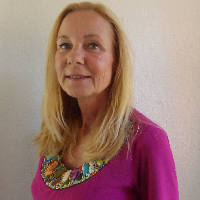
Jacqueline Baiada
LCSW
North Carolina 30 years in practice English, Danish
Compassionate therapist who challenges and supports change
- Relationship
- Anger
- Stress, Anxiety