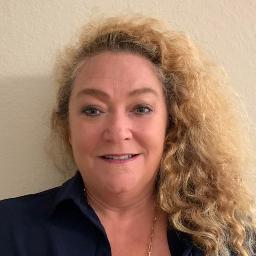
Margaret "Maggie" Nash, LCSW
Practical, compassionate therapy with a sense of humor
Book with Margaret- Years in practice
- 24
- Credentials
- LCSW
- Licensed in
- Florida
- Languages
- English
- Focus
- Stress, Anxiety
- Focus
- Relationship issues
- Focus
- Family conflicts
About Margaret
Margaret "Maggie" Nash is a licensed clinical social worker with 24 years of practice experience. She brings warmth and a sense of humor to sessions and uses those qualities to help people through hard moments. Clients can expect a straightforward, caring approach that focuses on practical change.
Maggie draws on client-centered methods to listen closely and make space for each person's story. She also uses cognitive behavioral techniques to help people notice patterns of thought and behavior they want to change.
Background and approach
Dialectical behavior therapy skills are offered when people need tools for emotion regulation and managing stress. Many who seek help are facing relationship strain, parenting stress, anxiety, depression, grief, substance concerns, or trouble with self-esteem. Maggie also works with issues such as trauma and abuse, intimacy-related worries, eating and sleeping problems, ADHD, and compassion fatigue.
She blends empathy with clear, doable steps so progress feels tangible. Maggie understands that starting therapy can feel overwhelming. She focuses on small, achievable goals and helps people challenge the belief that their pain is endless or undeserved.
Humor and human connection are woven into the work when appropriate. She practices in Florida and has spent decades building a independent practice. Maggie writes and sometimes gives television interviews about mental health topics.
Her style is compassionate, persistent, and aimed at producing real-life improvements for people ready to make changes.
What Margaret works with
Everything Margaret lists, in the therapist's own terms. Parenting is the reason this directory exists; the rest shows what else Margaret helps people with.
- Stress, Anxiety
- Relationship issues
- Family conflicts
- Depression
- Addictions
- LGBT
- Trauma and abuse
- Grief
- Intimacy-related issues
- Eating disorders
- Sleeping disorders
- Parenting issues
- Anger management
- Self esteem
- Career difficulties
- Bipolar disorder
- Coping with life changes
- Coaching
- Compassion fatigue
- ADHD
- Jealousy
- Personality disorders
- Self-harm
- Sexual assault and abuse
Approaches Margaret lists
- Client-Centered Therapy
- Cognitive Behavioral Therapy (CBT)
- Dialectical Behavior Therapy (DBT)
- Emotionally-Focused Therapy (EFT)
- Motivational Interviewing
- Psychodynamic Therapy
- Solution-Focused Therapy
Listing an approach is not evidence of training in it. This directory copies what each therapist names and does not check training records.
Therapeutic approaches that translate to online care
Client-centered therapy focuses on listening and reflecting what a person says so they feel heard and understood; online sessions use that same slow, attentive pace to build trust and clarify goals. Cognitive behavioral therapy, or CBT, helps people identify and change unhelpful thoughts and behaviors through concrete exercises and homework that adapt well to video or text formats. Dialectical behavior therapy, DBT, teaches skills for emotion regulation, distress tolerance, and interpersonal effectiveness that can be practiced during calls and reinforced with messaging between sessions.Choosing the right approach is a collaborative process. The therapist will work with each person to match methods to their goals and preferences, trying different techniques when needed until a good fit emerges. This means treatment plans shift based on progress and what feels most useful to the client.
Online therapy offers practical flexibility. Video calls are useful for in-depth work and seeing nonverbal cues, phone sessions remove the need for a camera when bandwidth is low, live chat allows short check-ins or problem-solving during a break, and text-based messaging supports quick reflections or reminders between meetings. These options make it easier to keep sessions consistent and fit therapy into a busy life.
Questions people ask about Margaret
What concerns does Maggie commonly help with?
She helps people facing stress, anxiety, depression, parenting strain, relationship problems, grief, addictions, trauma, and related issues such as sleeping or eating difficulties.
What is her general therapy style?
Her style is warm and down-to-earth, combining close listening with practical steps. Humor is sometimes used to ease difficult moments and encourage perspective.
How much experience does she have?
She has 24 years of independent practice experience and has worked across a range of clinical concerns during that time.
What credentials and location are listed for this therapist?
She is a LCSW, licensed in Florida, and practices from that state.
Are sessions offered in other languages or internationally?
Sessions are offered in English and she accepts international clients.
What session formats are available?
Therapy can be delivered via video calls, phone sessions, live chat, or text-based messaging to suit different needs and schedules.
How are sessions priced?
Cost varies with location and therapist availability; sessions use a subscription model that can be canceled at any time.
How do I begin working with her?
Start by selecting the Start Therapy button, complete a short matching questionnaire, and then schedule according to therapist availability.
More therapists for parents in Florida
All in Florida
Paula Schneider
LCSW
Florida 20 years in practice
Practical, respectful therapy for parenting and relationships
- Addictions
- Relationship
- Family

Deana Duckenfield
LMHC, LPC
Florida 6 years in practice
Practical, goal-focused support for parents
- Stress, Anxiety
- Addictions
- Trauma and abuse

Arielle Simpson
LMHC
Florida 12 years in practice
Supportive LMHC for parenting stress
- Stress, Anxiety
- Trauma and abuse
- Grief