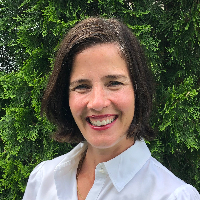
Bridget Stevens-Murphy, LICSW
Collaborative, relational support for life transitions
Book with Bridget- Years in practice
- 8
- Credentials
- LICSW
- Licensed in
- Minnesota
- Languages
- English
- Focus
- Stress, Anxiety
- Focus
- Family conflicts
- Focus
- Trauma and abuse
About Bridget
Bridget Stevens-Murphy is a Licensed Independent Clinical Social Worker (LICSW) based in Minnesota. She uses a person-centered, relational approach to help people facing stress, anxiety, grief, depression, and parenting concerns. Bridget aims to create a calm and respectful space where people can talk through what matters most to them.
She brings eight years of clinical experience and a strength-based outlook to each conversation. Her work often draws on attachment-based ideas and cognitive behavioral techniques to help people notice patterns and try different ways of responding.
Background and approach
Sessions focus on practical steps, clearer communication, and understanding how past experiences shape current relationships. Bridget also addresses trauma and abuse, compassion fatigue, caregiver stress, and issues tied to adoption and foster care. She supports people working through fertility and infertility concerns, blended family questions, and family of origin problems.
Her goal is to help people feel more effective and connected in daily life. In sessions she uses reflective listening and collaborative planning to set goals that fit each person’s circumstances. She offers multiple ways to connect, including video calls, phone sessions, live chat, and text messaging.
For people juggling work, caregiving, or long days, this range can make regular sessions easier to manage. Bridget emphasizes collaboration over labels and helps people make choices that fit their values. She accepts international clients and works in English.
To begin, a short matching process and scheduling step gets the first session on the calendar.
What Bridget works with
Everything Bridget lists, in the therapist's own terms. Parenting is the reason this directory exists; the rest shows what else Bridget helps people with.
- Stress, Anxiety
- Family conflicts
- Trauma and abuse
- Grief
- Depression
- Relationship issues
- Intimacy-related issues
- Parenting issues
- Self esteem
- Career difficulties
- Coping with life changes
- Compassion fatigue
- Abandonment
- Adoption and foster care
- Attachment issues
- Blended family issues
- Caregiver issues and stress
- Codependency
- Commitment issues
- Communication problems
- Control issues
- Coping with natural or human-caused disaster
- Emptiness
- Family of origin issues
- Family problems
- Fertility issues
- First responder issues
- Forgiveness
- Guilt and shame
- Impulsivity
- Isolation / loneliness
- Jealousy
- Life purpose
- Midlife crisis
- Postpartum depression
- Post-traumatic stress
- Pregnancy and childbirth
- Seasonal Affective Disorder (SAD)
- Self-harm
- Sexual assault and abuse
- Social anxiety and phobia
- Women's issues
- Workplace issues
- Young adult issues
Approaches Bridget lists
- Attachment-Based Therapy
- Client-Centered Therapy
- Cognitive Behavioral Therapy (CBT)
- Emotionally-Focused Therapy (EFT)
- Existential Therapy
- Mindfulness Therapy
- Motivational Interviewing
- Narrative Therapy
- Solution-Focused Therapy
- Trauma-Focused Therapy
Listing an approach is not evidence of training in it. This directory copies what each therapist names and does not check training records.
Attachment and Cognitive Approaches in Online Care
Bridget draws on attachment-based ideas to explore how early relationships shape current reactions and connection needs. This approach helps people understand patterns of closeness, caregiving roles, and how to repair ruptures in important relationships.She also uses cognitive behavioral therapy techniques to notice unhelpful thoughts and to test new behaviors. CBT-style work can be useful for managing anxiety, low mood, and behaviors that get in the way of daily functioning.
Finding the right approach is part of the work together. Bridget aims to collaborate with each person to choose methods that fit their goals, values, and pace. She adapts conversations and exercises based on what a person needs in the moment rather than sticking rigidly to one model.
Online sessions are offered by video calls, phone sessions, live chat, or text-based messaging to fit different schedules and needs. Video calls are useful for deeper discussions that benefit from visual cues. Phone sessions are a good fit when internet bandwidth is limited or when someone prefers not to be on camera. Live chat and text messaging allow for brief check-ins, ongoing reflection, or support between longer meetings. These formats make it easier to maintain regular contact while balancing work, caregiving, or travel.
Questions people ask about Bridget
What concerns does Bridget commonly help with?
She works with stress, anxiety, depression, grief, trauma and abuse, parenting concerns, and relationship and intimacy-related issues. Additional focus areas include adoption and foster care concerns, caregiver stress, compassion fatigue, and fertility-related issues.
What is her general therapeutic style?
The approach is person-centered and relational, emphasizing listening, reflection, and practical planning. She blends attachment-based ideas and cognitive strategies to help people change patterns that aren’t serving them.
How much clinical experience does she have?
She has eight years of experience working in clinical settings. That background includes domestic and international work and a focus on family-related concerns.
What credentials and location apply to her practice?
She holds a LICSW credential and practices from Minnesota. The listing shows her credential as MN LICSW.
Are sessions offered in other languages or internationally?
Sessions are offered in English. She does accept international clients.
Which session formats are available?
People can meet by video calls, phone sessions, live chat, or text-based messaging. These options allow for shorter check-ins or longer conversations when needed.
How is cost handled for sessions?
Cost varies with location and therapist availability, and sessions use a subscription that can be canceled at any time.
What are the first steps to begin working together?
Start by selecting the Start Therapy button, complete a short matching questionnaire, and then schedule according to therapist availability.
More therapists for parents in Minnesota
All in Minnesota
Rick (Richard) Jackson
LICSW
Minnesota 10 years in practice
Practical, relationship-focused care
- Stress, Anxiety
- Relationship
- Family

Dr. David Mathews
LICSW
Minnesota 35 years in practice
Supportive guide for parenting and relationships
- Relationship
- Family
- Trauma and abuse

April Justice
LICSW
Minnesota 20 years in practice
Gentle practical support for parenting challenges
- Stress, Anxiety
- Grief
- Self esteem