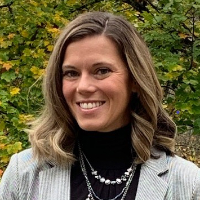
Amy Norberg
LPC
West Virginia 13 years in practice
Compassionate counselor for parenting concerns
- Relationship
- Family
- Trauma and abuse
Therapists for parents
37 therapists based in West Virginia list parenting among the things they work with. Sessions are online; a therapist can usually only see people in the states where they hold a licence, so check each profile.
Welcome to Parent Therapists' West Virginia directory of online counselors. All therapists listed here are licensed in West Virginia. Explore profiles to compare approaches, credentials, languages, and focus areas to find someone who meets your needs.
LPC
West Virginia 13 years in practice
Compassionate counselor for parenting concerns
LICSW
West Virginia 6 years in practice
Support for parents balancing stress and change
LPC
West Virginia 5 years in practice
Calm, practical therapy for life's hard moments
LPC
West Virginia 15 years in practice
Supportive counselor for parenting and life stress
LCMHC, MD, LCPC
West Virginia 10 years in practice
Calm, practical support for parenting stress
WV Psychologist-Master
West Virginia 20 years in practice English, Italian
Experienced psychologist focused on parenting and coping
LPC
West Virginia 3 years in practice
Helping parents manage stress and relationships
LICSW
West Virginia 15 years in practice
Calm practical support for everyday parenting challenges
LPC
West Virginia 21 years in practice
Therapist focused on practical, compassionate support
WV Psychologist
West Virginia 34 years in practice
Experienced psychologist guiding practical change
LICSW
West Virginia 10 years in practice
Supportive LICSW for stress and parenting concerns
LCSW
West Virginia 12 years in practice
Compassionate support for parenting and life transitions
LICSW
West Virginia 17 years in practice
Calm, practical help for parenting and life changes
LPC, LMHC
West Virginia 5 years in practice
Compassionate, practical support for parents
LICSW, LCSW
West Virginia 9 years in practice
Practical, respectful support for everyday struggles
LPC
West Virginia 4 years in practice
Practical, respectful therapy for daily challenges
LPC
West Virginia 18 years in practice
Supportive counselor for parenting and life transitions
LPC
West Virginia 26 years in practice
Calm listener who teaches practical coping skills
LICSW
West Virginia 13 years in practice
Supporting parents through change and stress
LISW, LICSW
West Virginia 14 years in practice
Supportive, goal-focused social worker
West Virginia 24 years in practice
Supportive counselor for stressed parents
LPCC, LCMHC
West Virginia 7 years in practice
Practical support for stress and parenting
WV Psychologist
West Virginia 7 years in practice
Practical psychological support for everyday challenges
LPC
West Virginia 22 years in practice
Practical support for common parenting stresses
LPC
West Virginia 40 years in practice
Compassionate counselor for everyday struggles
West Virginia 25 years in practice
Compassionate counselor for relationship and parenting concerns
LICSW, LCSW
West Virginia 7 years in practice
Practical support for parents and individuals
LICSW
West Virginia 5 years in practice
Helping parents and adults find steadier footing
LICSW
West Virginia 25 years in practice
Experienced LICSW focusing on parenting and life challenges
WV Psychologist
West Virginia 31 years in practice
Practical, compassionate help for worn-out parents
LPC
West Virginia 6 years in practice
Practical support for parents and adults
LPC
West Virginia 8 years in practice
Practical, respectful counseling for everyday challenges
LICSW, LCSW
West Virginia 13 years in practice
Practical support for parenting and relationship stress
LPC
West Virginia 25 years in practice
Experienced counselor focused on parenting and life transitions
LPCC, LPC
West Virginia 10 years in practice
Therapist focused on practical parenting support
LCSW, LICSW
West Virginia 13 years in practice
Calm, practical therapy for daily life
LPC
West Virginia 22 years in practice
Supportive counselor helping parents find practical tools
Some links on this page are partner links. We will earn a commission if you sign up through one, at no cost to you. It does not change what you pay or the order of the listings.
If you live in West Virginia and are considering online therapy, you will find a range of clinicians offering remote services. Many licensed counselors, social workers, marriage and family therapists, and psychologists include online sessions as part of how they work with clients. Online therapy in West Virginia can be offered from a clinician located within the state or by a clinician who holds a West Virginia license and works remotely. Licensing rules determine whether a clinician may provide services across state lines, so clinicians who list multiple state licenses may be positioned to work with clients in different locations. The continued growth of telehealth options over recent years has expanded how people connect with mental health professionals, making it possible to meet with clinicians who focus on parenting, child behavior, relationship challenges, trauma-related concerns, and everyday stressors.
When you search listings, you will see profiles that describe a clinician's credentials, typical client focus, therapeutic approaches, and the languages they speak. Those profile elements help you understand whether a therapist's background aligns with the kind of support you want. Remember that a listed approach is a way a clinician describes their work; some profiles note specific methods such as cognitive approaches, trauma-informed perspectives, or family systems work as part of their practice. Use those descriptions to narrow your search, then review license information and professional background as part of your decision.
Online therapy offers practical advantages if you live in West Virginia's rural areas or commute between towns. You will often save travel time and have more flexibility around appointments because you can join a session from home, a vehicle between errands, or another location where you can focus. For parents and caregivers, remote sessions can make it easier to fit help into a busy schedule without arranging childcare or disrupting routine. For people who prefer to avoid waiting rooms or who want to meet with a clinician who speaks a specific language or specializes in a particular focus area, online therapy opens access to a broader pool of providers than you might find locally.
Clinical approaches delivered online can address many of the same concerns as in-person care, including parenting support, relationship work, mood and anxiety management, grief, and coping with life transitions. Technology is not the therapeutic element - it is the medium that supports your work with a clinician. Before you begin, consider what setting helps you focus, what devices you feel comfortable using for video-based work, and how you will protect your own privacy and concentration during sessions. Many people report that having therapy available remotely makes it easier to be consistent with sessions and to maintain momentum in working toward their goals.
You can turn to online therapists for a wide range of concerns that affect individuals, parents, couples, and families. Parenting support is a common focus; clinicians often work with parents on managing behavior, setting boundaries, navigating developmental transitions, and coping with the stress of caregiving. Relationship work is also frequent, whether you seek help for communication challenges, co-parenting dynamics, or rebuilding connection. Mental health concerns such as anxiety, depression, stress, and adjustment issues are commonly addressed through remote sessions as well.
Some clinicians describe working with trauma-related symptoms, grief and loss, life transitions, and identity-related concerns. If you have a specific area of interest - for example, support after a perinatal loss, guidance for parenting a child with neurodiversity, or managing the emotional strain of blended-family dynamics - you can look for clinicians who list those focus areas in their profiles. When an approach is named, profiles will often indicate that a clinician uses certain methods; phrasing on directory pages follows the clinicians' own descriptions, so you will see wording such as clinicians who list cognitive-behavioral approaches or those who include family systems among their methods.
Verifying a clinician's license is an important step when you consider starting online therapy. You will want to confirm that the clinician holds an active West Virginia license with the appropriate credential for their profession, such as a licensed professional counselor designation, licensed clinical social worker, licensed marriage and family therapist, or a psychologist license. Most state licensing boards maintain online lookup tools where you can search by the clinician's name or license number to confirm license status, expiration date, and any public disciplinary actions. These board websites also explain what the credential means and outline the scope of practice tied to each license.
If you are unsure which board oversees a particular credential, the clinician's profile often names their license type and state. You can copy that information into the state board's verification search. When a clinician lists licenses in multiple states, check each state's board if you want to understand where they are authorized to practice. You may also call a licensing board directly if you have questions about results you find online. Verifying licensure gives you factual information about a clinician's authorization to practice and about whether there are any public records of disciplinary actions.
When you are ready to reach out to a clinician, gather a few details that will help you frame your message. Think about your primary concerns, what you hope to change or understand, and any logistical factors that matter to you such as session length, language needs, or whether you prefer video or phone sessions. Many clinician profiles include a short summary of focus areas and approaches - use that to prepare a concise note about why you are contacting them and what you hope to address. Asking about fees, accepted insurance plans, or sliding scale options is appropriate early in your exchange so you can confirm whether their payment structure aligns with your needs.
Choosing a therapist is a personal decision and fit matters more than any single label. Pay attention to how a clinician describes their typical clients and their approach to work. If a profile says they work with parents, families, or children, read the details about age ranges and common issues. When clinicians list therapeutic methods, remember those listings reflect how they present their work rather than a certification statement. You may prefer someone who emphasizes practical strategies, while others seek a clinician who focuses on relational patterns or emotional processing. Consider language ability, cultural competency statements, and experience with issues similar to yours when you compare profiles.
Your first conversation is a good time to assess whether the clinician's style feels like a match. You can ask how they typically structure sessions, what a short-term plan might look like for your concerns, and how you will measure progress. Discuss practical matters such as session length, communication outside sessions, and their policies on cancellations and emergencies. If a clinician uses a particular online platform, ask about its ease of use and how they protect session privacy. Trust your instincts about whether you feel heard and respected in that first exchange; it is normal to try more than one clinician before finding the right fit for ongoing work.
Finally, remember that choosing a therapist is about aligning their approach, language, and experience with your goals. Use the directory to narrow options based on credentials, focus areas, approaches, and languages, then use direct conversation to confirm the working relationship feels right. Taking those steps will help you find a clinician in West Virginia who can support your parenting goals, mental health needs, or family concerns through online sessions that fit your routine and preferences.