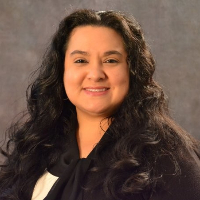
Carolyn Faucette
LISW
Ohio 20 years in practice
Practical, respectful therapy for life changes
- Stress, Anxiety
- Relationship
- Grief
Therapists for parents
301 therapists based in Ohio list parenting among the things they work with. Sessions are online; a therapist can usually only see people in the states where they hold a licence, so check each profile.
Welcome to our directory of online therapists serving Ohio parents and families. All therapists listed here are licensed clinicians; explore profiles to compare approaches, credentials, languages, and experience.
LISW
Ohio 20 years in practice
Practical, respectful therapy for life changes
Ohio 20 years in practice English, Persian
Insightful counselor for life's transitions
LISW
Ohio 19 years in practice
Compassionate support for practical life changes
LPCC
Ohio 18 years in practice
Practical, collaborative therapy for life and parenting challenges
LPCC
Ohio 4 years in practice
Supportive counselor for stressed parents
LISW
Ohio 17 years in practice
Experienced Ohio LISW focused on practical parenting support
LISW
Ohio 25 years in practice
Experienced Ohio LISW who focuses on parenting and family issues
LIMFT
Ohio 14 years in practice English, Spanish
Compassionate, practical support for life's hard moments
LIMFT, LPCC
Ohio 13 years in practice
Practical support for parenting and stress
Ohio 11 years in practice English, Spanish
Compassionate support for parenting and life changes
LPCC
Ohio 17 years in practice
Practical, direct counseling for everyday challenges
LPCC
Ohio 29 years in practice
Compassionate counselor for everyday parenting challenges
LISW
Ohio 17 years in practice
Practical, strength-focused support for parents
LPCC
Ohio 20 years in practice
Calm, practical support for everyday parenting challenges
LISW
Ohio 6 years in practice
Compassionate, practical support for stressed caregivers
LISW
Ohio 20 years in practice
Compassionate, practical therapist for parenting challenges
LISW
Ohio 25 years in practice
Supportive Ohio therapist for parents and adults
LISW
Ohio 20 years in practice
Supportive LISW guiding practical change
LIMFT
Ohio 19 years in practice English, Spanish
Compassionate, practical therapy for parenting and life challenges
LPCC
Ohio 6 years in practice
Support for stress, relationships, and parenting
LPCC
Ohio 20 years in practice
Compassionate counselor for parenting and relationships
LPCC
Ohio 12 years in practice
Practical support for parenting and life stress
LPCC
Ohio 7 years in practice English, Russian
Practical therapist for stress and parenting challenges
LPCC
Ohio 33 years in practice
Calm, practical support for parents and adults
LPCC
Ohio 36 years in practice
Calm, practical therapy for everyday parenting strain
LISW
Ohio 8 years in practice
Compassionate, practical support for parents and individuals
LISW
Ohio 20 years in practice
Supportive Ohio social worker for parenting challenges
LISW, LSCSW
Ohio 26 years in practice
Direct, practical therapy focused on skills
LISW
Ohio 25 years in practice
Practical, collaborative support for parenting challenges
LCSW, LISW
Ohio 11 years in practice
Practical support for parenting and life stressors
LPCC
Ohio 6 years in practice
Supportive Ohio counselor for stress and parenting
LPCC
Ohio 11 years in practice
Calm, practical support for parents and life change
LPCC
Ohio 5 years in practice
Compassionate help for parenting and life stress
LPCC
Ohio 6 years in practice
Practical, compassionate counseling for parents and individuals
LPCC
Ohio 22 years in practice
Compassionate counselor focused on practical change
LPCC
Ohio 17 years in practice
Experienced counselor focused on practical parenting support
LMHC, LPCC
Ohio 19 years in practice
Gentle, practical support for parenting and life change
LPCC
Ohio 15 years in practice
Compassionate clinician focused on real-life change
LISW
Ohio 3 years in practice
Compassionate, practical support for parents
LISW
Ohio 12 years in practice
Practical support for overwhelmed parents
LCSW
Ohio 12 years in practice
Skilled LCSW focused on practical change
LISW
Ohio 10 years in practice
Supportive social worker for life and parenting strain
LPCC
Ohio 16 years in practice
Compassionate counselor for life transitions
LPCC
Ohio 10 years in practice
Compassionate, practical counseling for parents and adults
LCSW, LISW
Ohio 20 years in practice
Compassionate, practical help for parents and individuals
LISW
Ohio 10 years in practice
Compassionate support for parents and adults
LPCC
Ohio 10 years in practice
Practical, values-focused counseling for life changes
LPCC
Ohio 9 years in practice
Helping people use emotion as strength
Some links on this page are partner links. We will earn a commission if you sign up through one, at no cost to you. It does not change what you pay or the order of the listings.
If you live in Ohio and are thinking about online therapy, you should know that teletherapy is an established option across the state. Many clinicians offer sessions remotely by video or phone, which allows you to connect with a clinician who is licensed to practice in Ohio from wherever you are located within state lines. Licensing rules generally require that the clinician be authorized to provide services to clients who are physically in Ohio when the session takes place, so people often look for providers who list Ohio licensure on their profile.
Online therapy options vary by clinician, with some focusing on parent-child relationships, family dynamics, maternal mental health, postpartum concerns, or childhood behavioral issues. Others center on broader topics such as anxiety, depression, stress management, or support during major life transitions. Because clinicians in Ohio bring different backgrounds and specialties to their work, you can use a directory to narrow your search by approach, credentials, or languages spoken. If you are relocating within the state or need consistent care while traveling in Ohio, remote sessions can help maintain continuity of care as long as you remain in-state during sessions.
Online therapy can make it easier to access care without the time and logistics of travel across Ohio’s urban and rural areas. For many families, eliminating a commute means you can fit sessions into mornings, evenings, or between other obligations. That convenience is particularly useful if you are balancing childcare, school schedules, or work. The ability to connect from home or another suitable setting can also lower the barrier to starting therapy when finding in-person appointments would otherwise be difficult.
Another advantage is flexibility in choosing a clinician whose skills and focus match your needs, rather than being limited to the immediate local market. If you need someone who lists experience with perinatal support, parent coaching, or child behavioral strategies, remote options increase the pool of clinicians you can consider. Remote work also allows family members in different parts of Ohio to join the same session when that approach fits your goals. Finally, many clinicians describe the use of technology and tools that can support session structure, homework, and skill practice between meetings; discussing those practicalities during an initial conversation can help you decide whether a particular clinician’s approach suits your family life.
Online therapists in Ohio work with a wide range of concerns that affect parents and children. You can find clinicians who focus on parenting strategies, child behavioral challenges, coping with stress and burnout, perinatal mood concerns, relationship strain, life transitions, and adjustment to family changes. Many clinicians also list approaches aimed at emotion regulation, communication skills, and trauma-informed care. When a clinician lists a modality such as cognitive behavioral therapy or attachment-based approaches, that indicates their stated approach rather than a description of formal certification.
Working remotely can be particularly effective for skill-based goals, such as developing routines, practicing parenting techniques, or learning strategies for managing anxiety and sleep issues. If you are concerned about your child’s behavior, a therapist who lists experience working with children and families may work with you to observe interactions, offer practical coaching, and suggest strategies that fit your daily life. If your needs involve couple dynamics or co-parenting arrangements, online sessions can provide a structured space for discussion that feels more manageable within busy schedules. In every case, the most important factor is matching your goals to the clinician’s listed focus areas and experience.
When you are considering an online therapist, it is important to confirm that they hold a license to practice in Ohio. Start by checking the clinician’s profile for a license type and license number. Common license types you will see in Ohio profiles include credentials such as LPCC, LISW, and LMFT. With a license number in hand, you can use the Ohio licensing board’s online license lookup to confirm that the license is active and to review any public disciplinary history. The licensing board’s records usually list the license status, issue and expiration dates, and the credential type, providing the factual details you need to verify professional standing.
If you do not find a license number on a profile, you can still ask the clinician directly for their license details and the board where they are registered. A clinician who is licensed in Ohio should be able to provide the board name and number. Keep in mind that clinicians must typically be licensed to provide services to someone who is physically located in Ohio at the time of the session, so verifying state licensure is an important step. If you want further clarification about what a particular credential means, the licensing board’s website often explains the scope of practice associated with each credential type.
Beginning online therapy is a practical process that starts with defining what you hope to achieve. Think about whether your primary goal is improving parent-child communication, managing stress, addressing mood concerns, or navigating co-parenting. Use those goals to filter clinician profiles by approach and focus areas. When you find clinicians whose profiles align with your needs, reach out to request an introductory conversation. That first contact is an opportunity to ask about their approach, typical session structure, what a family can expect in the early weeks, and whether they list specific experience with issues you are facing.
In that initial conversation, ask practical questions about how sessions are conducted, including whether they are offered by video or phone, what platform or technology they use, and how they protect client information through industry-standard data protections. Discuss logistics such as session length, fee structure, accepted insurance plans, and any sliding scale options. You should also ask about communication preferences between sessions and how clinicians handle urgent concerns or emergencies, so you know what steps to follow if you need immediate support. Keep in mind that you are looking for a professional who matches your needs in approach and style, not necessarily one who uses specific terminology or labels on their profile.
When choosing a clinician, focus on how well their stated approach, population focus, and experience match your goals. Profiles often list the population a clinician works with, such as parents, adolescents, or families, and many list languages they speak. If cultural background or language accessibility matters to you, prioritize clinicians who mention those aspects on their profile. Therapists who list particular approaches - for example CBT, family systems, or mindfulness-based work - give you a sense of how they might structure sessions, but you should explore how they apply those methods in family or parenting contexts during an introductory call.
Practical considerations often determine whether you can maintain therapy over time. Look for clinicians who describe session length and fee structure in a way that aligns with your budget and schedule. If you plan to use insurance, check whether the clinician lists the plans they work with and what billing arrangements they use. Beyond logistics, trust your sense of rapport. A clinician can have impressive credentials and an approach that fits your needs, but the relationship matters. Use an initial conversation to assess whether the clinician’s communication style and expectations feel comfortable and respectful of your family’s priorities.
It is normal to refine your search as you learn more about what works for you. If you try a clinician and find the approach or communication style does not match your needs, you can continue exploring other profiles to find a better fit. The goal is to identify someone whose focus areas, experience, and communication style align with your goals for parent and family support. Clear communication about what you hope to achieve and what matters most to your family will help you and any clinician get the most out of the work you do together.
Choosing an online therapist in Ohio involves understanding licensure, weighing practical logistics, and matching treatment focus to your goals. By reviewing profiles thoughtfully, verifying licensure, and asking targeted questions about approach and logistics, you can make an informed choice that supports your family’s needs. Use the directory to explore clinician profiles, compare specialties and language options, and begin a conversation with someone whose experience matches the kind of support you are seeking.