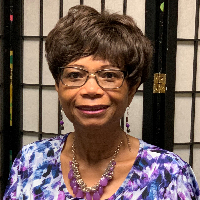
Jennifer Garvin
LMHC
Indiana 11 years in practice
Practical, collaborative care for parenting and life stressors
- Stress, Anxiety
- Trauma and abuse
- Grief
Therapists for parents
221 therapists based in Indiana list parenting among the things they work with. Sessions are online; a therapist can usually only see people in the states where they hold a licence, so check each profile.
Welcome to Parent Therapists' Indiana directory for online counseling. All therapists listed here are licensed in Indiana. Explore the listings to find clinicians whose approaches, credentials, languages, and experience match your needs.
LMHC
Indiana 11 years in practice
Practical, collaborative care for parenting and life stressors
LMHC
Indiana 11 years in practice
Therapist helping parents and adults find clearer direction
LMHC
Indiana 10 years in practice
Practical support for stressed and overwhelmed parents
LMHC
Indiana 13 years in practice
Compassionate counselor for life and parenting concerns
LCSW
Indiana 3 years in practice
Supportive LCSW focused on practical parenting help
LMFT
Indiana 20 years in practice
Support for stress, parenting, and mood
Indiana 21 years in practice
Experienced LCSW focused on practical parenting support
LCSW
Indiana 17 years in practice
Therapist supporting parenting and life challenges
LCSW
Indiana 37 years in practice
Practical, goal-focused therapy for everyday challenges
LCSW
Indiana 7 years in practice
Partner for calmer parenting and life
LMHC
Indiana 8 years in practice
Practical support for parents and individuals
LMHC
Indiana 15 years in practice
Practical, affirming care for overwhelmed parents and adults
LMHC
Indiana 23 years in practice
Practical support for relationship and parenting challenges
LCSW
Indiana 29 years in practice
Practical, compassionate therapy for parenting stress
LPCC, LMHC
Indiana 25 years in practice
Practical support for parenting and life stress
LMHC
Indiana 6 years in practice
Calm practical support for stressed parents
LMFT, LCSW
Indiana 43 years in practice
Compassionate practical help for everyday parenting challenges
LMHC, LPCC
Indiana 15 years in practice
Practical strategies for overwhelmed parents and adults
LCSW
Indiana 15 years in practice
Supportive LCSW for parenting and life challenges
LCSW
Indiana 3 years in practice
Compassionate guidance for parenting and life changes
LCSW
Indiana 19 years in practice
Practical support for stressed and overwhelmed parents
LCSW
Indiana 8 years in practice
Practical, calm support for parenting and life changes
LCSW
Indiana 7 years in practice
Practical support for parents and everyday stressors
LMHC
Indiana 40 years in practice
Practical, skills-based counseling for everyday parenting challenges
LMHC
Indiana 7 years in practice
Supportive counselor for parenting and life stress
LMHC
Indiana 10 years in practice
Calm guidance for parenting and life changes
LMFT
Indiana 10 years in practice
Support for stressed parents and caregivers
LCSW
Indiana 11 years in practice
Calm guidance for parents and individuals
LMHC
Indiana 9 years in practice
Calm, practical support for parents and individuals
LCSW
Indiana 19 years in practice
Supporting parents through addiction and relationship strain
LCSW
Indiana 20 years in practice
Supportive parenting-focused therapist
LCSW
Indiana 6 years in practice
Supportive LCSW helping parents and individuals
LCSW
Indiana 6 years in practice
Practical support for parents and adults
LMFT
Indiana 8 years in practice
Therapist focused on practical family change
LCSW
Indiana 23 years in practice
Supportive LCSW helping parents find practical tools
LCSW
Indiana 15 years in practice
Straightforward, relationship-centered support
LCSW
Indiana 7 years in practice
Practical, client-centered support for parents and adults
LIMFT, LMFT
Indiana 7 years in practice
Direct, practical therapy for parenting and relationships
LCSW
Indiana 23 years in practice
Compassionate, experienced support for parents
LMHC
Indiana 15 years in practice
Supportive counselor for parenting and life stress
LIMFT, LMFT
Indiana 16 years in practice
Practical therapy for parenting and relationships
LCSW
Indiana 20 years in practice
Calm, practical support for parents
LCSW
Indiana 7 years in practice
Helping parents find clearer footing
LCSW
Indiana 20 years in practice
Practical support for stressed and busy parents
LMHC
Indiana 7 years in practice
Laid-back guidance for stress and parenting concerns
LMHC
Indiana 10 years in practice
Practical, respectful counseling for life challenges
CO Psychologist, NC Psychologist
Indiana 3 years in practice
Supportive psychologist for parenting challenges
LMHC
Indiana 5 years in practice
Practical support for parents and caregivers
Some links on this page are partner links. We will earn a commission if you sign up through one, at no cost to you. It does not change what you pay or the order of the listings.
In recent years you have more options for connecting with mental health support from anywhere in Indiana. Many licensed clinicians in the state offer remote sessions that let you meet with a counselor from home, the office, or another comfortable environment. These services are provided by license holders who practice under Indiana rules for telehealth, and they often include a range of specialties from parenting support to adolescent counseling, perinatal mental health, trauma-informed work, couples counseling, and family therapy.
Online therapy in Indiana is offered by professionals who list different approaches and credentials on their profiles. When you search the directory you will find clinicians who describe their work with cognitive and behavioral approaches, experiential methods, family systems perspectives, narrative techniques, and others. Because the directory lists licensure and stated approaches rather than formal credential verification for each modality, it is helpful to read individual profiles to understand a clinician's focus and background. Telehealth regulations and technology used for online sessions continue to evolve, so practitioners adapt their processes to follow state guidance while striving to provide helpful, accessible care for a wide range of concerns.
Online therapy expands access to care across Indiana's cities, suburbs, and rural areas. If you live in a region with fewer in-person options, remote sessions can reduce travel time and allow you to schedule counseling around work, school, and family responsibilities. You may also find counselors who speak your preferred language or who specialize in the particular developmental stage or family dynamics you are navigating. For parents, remote sessions can make it easier to coordinate childcare and involve co-parents when appropriate.
Many people discover that online counseling supports continuity of care when life circumstances change, such as relocation for school or work. You can often maintain a working relationship with a clinician who understands your history without needing frequent in-person appointments. In addition, remote formats can offer flexible ways to engage in therapy - for example, video sessions, phone check-ins, and text-based messaging options offered by some clinicians. While online therapy is not the right fit for every situation, you may find that remote work aligns with your schedule and supports consistent progress toward your goals.
Online therapists in Indiana work with a broad range of concerns that affect individuals, parents, couples, and families. You can find clinicians who describe experience supporting parents with challenges like managing behavior, navigating developmental transitions, and addressing parent-child relationship strain. Therapists also commonly work with mood concerns such as anxiety and depression, stress related to work or caregiving, trauma-related reactions, grief and loss, and life transitions including separation or remarriage.
In addition to individual-focused work, many clinicians list family systems and parenting strategies among their approaches. This means you can look for counselors who describe assisting with co-parenting communication, sibling dynamics, or adolescent behavior problems. Therapists who list family therapy among their approaches may frame sessions to include multiple family members when that is relevant to your goals. If you are seeking support for substance use, self-harm risk, or acute crisis situations, it is important to ask about a clinician's experience and how they manage safety planning remotely so you feel prepared and supported.
When you want to confirm that a clinician is licensed in Indiana, there are straightforward ways to check that help you feel confident about their professional standing. Start by locating the clinician's full name and, if available, their license type and number on their profile. Then consult Indiana's professional licensing resources to look up the license holder. State license lookups typically show the license type, current active status, issuance and expiration dates, and any public disciplinary actions. These public records are maintained by the state licensing agency and by the board that governs counselors, social workers, marriage and family therapists, or other relevant credentialing bodies.
If you prefer direct assistance, you can contact the state licensing agency by phone or email to confirm the details you find online. Keep in mind that titles and license abbreviations differ; for example, social workers, professional counselors, and marriage and family therapists each have distinct licensing pathways. Verifying the license type ensures that the clinician is authorized to practice in Indiana and helps you understand what scope of services they may provide. If a profile lists a license from another state, ask the clinician about their authorization to provide services to Indiana residents and how they comply with state rules.
Getting started with an online therapist is a process you can approach step by step to find a good fit. Begin by clarifying your goals for therapy - whether you want help with parenting strategies, managing anxiety, improving a relationship, or supporting your child through a developmental stage. Use those goals to filter profiles by focus areas and approaches. Look for clinicians who list relevant experience and who explain their work style in plain language so you know what to expect from sessions.
When reviewing profiles pay attention to credentials such as licensure type, years of experience working with similar concerns, and any languages spoken. Read clinician biographies to get a sense of their therapeutic philosophy and the populations they commonly serve. If a therapist mentions a particular modality, note that the directory reflects approaches they list rather than formal certification; you can ask about their experience with that approach during an introductory conversation. Consider how important factors like a clinician's cultural competence, experience with diverse family structures, or familiarity with specific life stages are to your process.
Before your first session, think about logistics that will support productive work. Ensure you have a reliable internet connection and a quiet, comfortable environment for sessions. Prepare a few notes about the issues you want to address and any questions about the therapist's methods, session structure, fees, and how they handle safety planning when working remotely. Trust your instincts about the therapeutic relationship - feeling heard and respected is a core element of effective counseling. If a particular clinician's style or background does not feel like the right fit, it is reasonable to continue exploring other profiles until you find someone whose approach aligns with your needs.
Choices about therapeutic approach and clinician credentials matter because they shape the methods and pace of work. You may prefer a counselor who emphasizes practical skills and coping techniques, or you may be drawn to a clinician who frames concerns within family systems or developmental context. Some therapists list specific evidence-based approaches among their methods, and others describe eclectic or integrative work that adapts to each family's needs. Asking how an approach would apply to your situation helps you evaluate whether it feels appropriate for your goals. Credentials such as licensed clinical social worker, professional counselor, or marriage and family therapist signal different training pathways and professional standards. Matching those credentials to your needs can help you choose a clinician whose background supports the issues you want to address.
Finding an online therapist in Indiana is a personal process that benefits from clear goals, informed verification, and thoughtful comparison of clinician profiles. Use the directory to explore specialties, languages, and stated approaches, verify licensure through state resources, and prepare for an initial conversation that clarifies methods and logistics. With time and engagement you can build a working relationship with a clinician who helps you navigate parenting challenges, relationship changes, emotional concerns, and life transitions in a way that feels constructive and respectful of your circumstances.