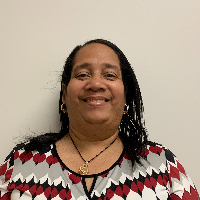
Tara Wallace
LSCSW
Kansas 12 years in practice
Calm, practical support for parenting challenges
- Family
- Trauma and abuse
- Grief
Therapists for parents
68 therapists holding Licensed Specialist Clinical Social Worker (LSCSW) list parenting among the things they work with. Credentials are shown as supplied; the issuing state board is the place to verify one.
A Licensed Specialist Clinical Social Worker (LSCSW) is an advanced clinical social work license held by practitioners who combine graduate social work education with post-master clinical experience and state licensure. Browse the verified LSCSW therapists below to review professional backgrounds, specialties, and approaches.
LSCSW
Kansas 12 years in practice
Calm, practical support for parenting challenges
MD, LSCSW
Maryland 5 years in practice
Practical support for stress and parenting challenges
LSCSW
Kansas 23 years in practice
Compassionate, practical support for parenting and stress
LSCSW, LCSW
Kansas 5 years in practice
Supportive, practical help for stressed parents
LSCSW
Kansas 4 years in practice
Practical support for stress and parenting challenges
LSCSW
Kansas 7 years in practice
Supportive Kansas social worker for parents and adults
LSCSW
Kansas 30 years in practice
Practical support for stress and parenting concerns
LSCSW, LISW
Kansas 41 years in practice
Compassionate guidance for parenting and life change
LISW, LSCSW
Ohio 26 years in practice
Direct, practical therapy focused on skills
LCSW, LSCSW
Kansas 5 years in practice English, Icelandic
Supportive parenting therapy for practical change
LCSW, LSCSW
Missouri 28 years in practice
Calm, practical support for life's parenting challenges
LCSW, LSCSW
Kansas 16 years in practice
Practical support for stressed parents
LSCSW
Kansas 18 years in practice
Compassionate help for parenting and identity challenges
LSCSW
Kansas 30 years in practice
Experienced Kansas LSCSW supporting parents and adults
LSCSW
Kansas 12 years in practice
Calm, practical help for everyday struggles
LSCSW
Kansas 6 years in practice
Practical support for stressed and overwhelmed parents
LSCSW, LCSW
Missouri 16 years in practice
Supportive licensed social worker for parents
LSCSW
Kansas 10 years in practice
Supportive therapist for parents and caregivers
LSCSW, LCSW
Kansas 40 years in practice
Practical, strengths-focused licensed social worker
LCSW, LSCSW
Missouri 10 years in practice
Calm, practical support for parenting and life stress
LSCSW, LCSW
Missouri 3 years in practice
Practical support for parenting and life stressors
LMSW, LSCSW
Missouri 13 years in practice
Compassionate, practical therapy for everyday challenges
LSCSW, LCSW
Kansas 19 years in practice
Practical support for parents and individuals
LSCSW, LCSW
Missouri 10 years in practice
Mindful, strengths-based therapy for practical change
LSCSW, LCSW
Missouri 3 years in practice
Compassionate social worker guiding practical change
LSCSW
Kansas 9 years in practice
Calm, practical support for parenting stress
LSCSW, LCSW
Missouri 6 years in practice
Practical support for parents and caregivers
LSCSW
Kansas 10 years in practice
Supportive Kansas social worker for parents
LCSW, CSW, LSCSW
Kansas 5 years in practice
Compassionate, practical support for parenting and trauma
LSCSW
Kansas 7 years in practice
Supportive LSCSW focused on parenting
LCSW, LSCSW
Kansas 7 years in practice
Therapist focused on practical support for parents
LSCSW
Kansas 14 years in practice
Helping parents reduce stress and build confidence
LSCSW
Kansas 9 years in practice
Practical, inclusive care for parenting and life stressors
LSCSW, LCSW
Kansas 16 years in practice
Calm, practical support for stressed parents
LSCSW
Kansas 26 years in practice
Compassionate practical support for parenting challenges
LCSW, LSCSW
Kansas 20 years in practice
Compassionate guidance for parents and adults
LSCSW, LCSW
Kansas 30 years in practice
Practical, experienced social worker for parents and relationships
LCSW, LSCSW
Kansas 6 years in practice
Empowering practical support for everyday parenting challenges
LSCSW, LCSW
Kansas 14 years in practice
Practical support for parenting and life challenges
LSCSW
Kansas 22 years in practice
Compassionate Kansas social worker supporting parents
LCSW, LSCSW
Kansas 35 years in practice
Practical support for parenting and life stressors
LSCSW
Kansas 15 years in practice
Calm, practical support for parents and adults
LSCSW
Kansas 16 years in practice
Calm, practical therapy for stressed parents
LSCSW, LCSW
Kansas 13 years in practice
Practical support for stressed parents and adults
LCSW, LSCSW
Kansas 15 years in practice
Compassionate LCSW helping parents find balance
LSCSW
Kansas 15 years in practice
Practical, down-to-earth support for parents and adults
LSCSW, LCSW
Missouri 21 years in practice
Experienced LGBTQ+ ally focused on parenting support
LSCSW
Kansas 33 years in practice
Practical guidance for parenting and mood concerns
Some links on this page are partner links. We will earn a commission if you sign up through one, at no cost to you. It does not change what you pay or the order of the listings.
The LSCSW credential indicates a clinician who has completed a graduate degree in social work and additional supervised clinical experience beyond the entry-level license. In most states the pathway begins with a Master of Social Work degree from an accredited program, which provides coursework in human behavior, clinical assessment, ethics, and social systems. After earning an MSW many clinicians pursue post-master supervised practice, working under clinical supervision to develop skills in psychotherapy, assessment, and case formulation.
Requirements for the LSCSW vary by state, so the exact mix of coursework, supervision hours, and examinations can differ. A common element across jurisdictions is a clinical licensure exam that evaluates knowledge of clinical social work practice. The LSCSW designation generally signals that a clinician has met state standards for independent clinical practice and has experience applying social work principles to individual and family mental health concerns. Because licensing rules differ, it is helpful to review the rules in the state where a clinician is licensed to get the full picture of their training path.
An LSCSW therapist typically provides psychotherapy, clinical assessment, and treatment planning for children, adults, and families. You can expect a focus on applying a social work lens - which often emphasizes systems, relationships, and community context - to understand the challenges you bring to therapy. LSCSW clinicians commonly integrate strategies aimed at improving coping skills, communication, and problem solving while also attending to environmental factors like school, work, and access to services.
Because the LSCSW is an advanced clinical license, it often allows clinicians to practice independently, coordinate care with other professionals, and provide a range of mental health services in outpatient settings. Compared with other license types, the distinction rests on education and the regulatory pathway rather than on any single therapeutic method. For instance, clinical social workers may emphasize case management and connection to community resources more readily than other disciplines, drawing on training that blends direct intervention with systems navigation.
If you are weighing different credentials you may notice common alternatives such as licensed professional counselors, marriage and family therapists, and clinical psychologists. Licensed professional counselors tend to focus on counseling frameworks and may have different graduate preparation. Marriage and family therapists focus on relational and systemic work with couples and families. Psychologists usually hold doctoral degrees and may offer psychological testing and assessment in addition to therapy. The LSCSW places social work values and systems thinking at the center of clinical care, which can be particularly helpful when you want support that includes attention to social, economic, and institutional factors affecting well-being.
LSCSW clinicians work across a wide spectrum of presenting concerns and populations. Many list specialties such as child and adolescent mental health, family therapy, perinatal and postpartum support, trauma-related concerns, grief and loss, and parenting challenges. You will also find LSCSW therapists who work with issues related to stress, anxiety, depression, life transitions, and behavioral concerns in children. Because social work training emphasizes community resources and advocacy, some LSCSWs develop niches in supporting families navigating educational systems, custody and parenting plans, or social services.
When reviewing profiles, note that clinicians describe their clinical approaches in different ways. For example, you might find therapists who list EMDR among their approaches, narrative or psychodynamic methods, strengths-based interventions, or family-systems perspectives. Profiles indicate what a clinician emphasizes, but listing an approach does not by itself document a specific certificate or level of external training. Use those listings to identify practitioners whose described methods align with what you think will be most helpful for your family.
Verifying a clinician's LSCSW credential is an important step in choosing a therapist. The most reliable source is the state licensing board that regulates social work in the state where the clinician is licensed. Most boards offer online license lookup tools where you can confirm license status, the license type, issuing dates, and any public disciplinary actions. You can search by the clinician's name or license number if that information is available on the profile.
In addition to official board verification, a clinician's professional profile will typically list the state of licensure, educational credentials such as an MSW, and the clinical license title. If you want further clarity you can contact the state board directly or ask a clinician to provide their license number and the name of the licensing board. Confirming licensure gives you factual information about the regulatory standing of a practitioner and helps you understand the legal scope of their practice in that state.
Choosing an LSCSW therapist can offer several practical and clinical advantages depending on the needs of your family. Social workers are trained to view individual difficulties within broader social and systemic contexts, which can be helpful if you want therapy that addresses school systems, workplace stressors, housing, or family dynamics alongside emotional concerns. LSCSW clinicians are often skilled at coordinating care and connecting families with community resources, advocacy supports, or educational professionals when those elements are relevant to treatment goals.
Another benefit is the clinical emphasis of the credential. Because the LSCSW requires post-master clinical experience, those who hold the license typically have developed sustained experience providing psychotherapy and clinical assessment. This background can make them adept at creating treatment plans that address both short-term goals and longer-term change. You should keep in mind that the right fit depends on the particular clinician's experience, approach, and how they communicate during an initial conversation, rather than the license title alone.
Start by clarifying what you want from therapy and which population or issue feels most important - whether that is parenting support, child behavior, perinatal concerns, relationship work, or trauma. Use profile information to identify clinicians who describe relevant experience and who list approaches that resonate with your preferences. If language, cultural background, or experience with certain communities matters to you, look for mention of those qualities in the therapist's profile.
When you reach out to a clinician or their office for an initial conversation, consider asking about their experience with the specific concerns you brought up, how they typically structure sessions, and what role they see for family members or outside supports. You might also ask how they approach coordinating with schools or pediatric providers if that is part of your plan. Pay attention to how a clinician responds to your questions and whether their approach feels like a fit for your household and values. Ultimately, you will want a practitioner who listens to your priorities, explains their clinical perspective clearly, and outlines a path forward that aligns with your goals for care.
Choosing a therapist is a personal decision. The LSCSW credential signals clinical preparation rooted in social work values and systems awareness, and many families find that perspective helpful when addressing complex, interconnected challenges. Use licensure verification and profile details as tools to guide your choice, and prioritize the match between your needs and the clinician’s experience and approach as you make your decision.