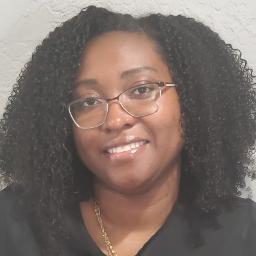
- Years in practice
- 9
- Credentials
- LCSW
- Licensed in
- Florida
- Languages
- English
- Focus
- Stress, Anxiety
- Focus
- Family conflicts
- Focus
- Trauma and abuse
About Phyllis
Phyllis Jeannestal is a Licensed Clinical Social Worker (LCSW) practicing from Florida. She focuses on helping adults who are dealing with stress, anxiety, grief, parenting concerns, relationship and intimacy issues, and life transitions. Her style is straightforward and collaborative, aimed at helping people build practical skills they can use between sessions.
Phyllis brings nine years of experience working with trauma, abuse, anxiety, depression, and related concerns. She has supported survivors of mass trauma and has helped design community wellness responses that include exercise, art activities, and peer support.
Background and approach
More recently she has worked in hospice, guiding families through grief and loss. In sessions she emphasizes choice, safety, and cooperation. She draws on client-centered practices to center a person's goals, cognitive behavioral techniques to address unhelpful thinking and behaviors, and solution-focused strategies to set small, practical steps.
She also uses trauma-focused methods when past harm affects current daily life. Phyllis aims to help people notice strengths and build a toolbox of coping strategies. That toolbox can include new ways to handle workplace stress, caregiver strain, parenting challenges, and communication problems.
She also addresses issues like social anxiety, anger, self-esteem, and forgiveness. Sessions are offered in English and are provided through multiple remote formats. Phyllis works with adults seeking coaching and therapy supports for everyday struggles and more complex reactions to trauma.
Her practice combines practical skill-building with steady support so people can make changes at their own pace.
What Phyllis works with
Everything Phyllis lists, in the therapist's own terms. Parenting is the reason this directory exists; the rest shows what else Phyllis helps people with.
- Stress, Anxiety
- Family conflicts
- Trauma and abuse
- Grief
- Parenting issues
- Relationship issues
- Intimacy-related issues
- Anger management
- Self esteem
- Career difficulties
- Bipolar disorder
- Depression
- Coping with life changes
- Coaching
- Compassion fatigue
- Caregiver issues and stress
- Communication problems
- Divorce and separation
- Forgiveness
- Self-love
- Social anxiety and phobia
- Workplace issues
Approaches Phyllis lists
- Client-Centered Therapy
- Cognitive Behavioral Therapy (CBT)
- Solution-Focused Therapy
- Trauma-Focused Therapy
Listing an approach is not evidence of training in it. This directory copies what each therapist names and does not check training records.
How these approaches translate to online care
Client-centered therapy focuses on listening and on your goals. The therapist follows your lead, helps you name what matters, and supports choices that fit your life. It is useful when someone wants a cooperative, respect-based process for parenting or life change work.Cognitive Behavioral Therapy, or CBT, breaks down problems into thoughts, feelings, and actions. Sessions teach concrete skills to change unhelpful thinking and behavior, which can help with anxiety, depression, and workplace stress.
Finding the right approach is part of the work. Phyllis uses a collaborative process to decide which methods fit a person's needs and preferences. She checks in about goals and adjusts techniques so sessions remain practical and relevant.
Online therapy offers flexible ways to connect. Video calls let you use visual cues and longer conversation windows. Phone sessions can be a good fit when bandwidth is limited or a quieter voice check-in is needed. Live chat and text messaging work well for brief check-ins, coaching-style guidance, or keeping momentum between longer sessions.
These remote options make it easier to fit therapy into a busy life, whether coordinating parenting responsibilities, managing work breaks, or staying consistent while dealing with grief or recovery. Licensed professionals can adapt exercises and homework to whatever format helps a person follow through.
Questions people ask about Phyllis
What kinds of concerns does Phyllis address?
She works with stress, anxiety, grief, parenting concerns, relationship and intimacy issues, and coping with life changes, among other topics like workplace stress and caregiver strain.
What is her therapeutic style like?
Her style is collaborative and practical, using client-centered conversations alongside cognitive behavioral and solution-focused techniques to set achievable steps and build coping skills.
How much clinical experience does she have?
She has nine years of experience working with trauma, abuse, anxiety, depression, and related concerns, including work with community trauma responses and hospice support.
What are her credentials and where is she based?
She is a Licensed Clinical Social Worker, LCSW, licensed in Florida and practices from that state.
Can I work with her if I live outside the U.S.?
Sessions are offered in English and she is not accepting international clients at this time.
Which session formats are available?
She offers video calls, phone sessions, live chat, and text-based messaging to fit different schedules and preferences.
How much do sessions cost?
Cost varies with location and therapist availability; sessions use a subscription that can be canceled at any time.
How do I begin therapy with her?
Start by selecting the Start Therapy button, complete a short matching questionnaire, and then schedule sessions according to therapist availability.
More therapists for parents in Florida
All in Florida
Paula Schneider
LCSW
Florida 20 years in practice
Practical, respectful therapy for parenting and relationships
- Addictions
- Relationship
- Family

Deana Duckenfield
LMHC, LPC
Florida 6 years in practice
Practical, goal-focused support for parents
- Stress, Anxiety
- Addictions
- Trauma and abuse
Arielle Simpson
LMHC
Florida 12 years in practice
Supportive LMHC for parenting stress
- Stress, Anxiety
- Trauma and abuse
- Grief