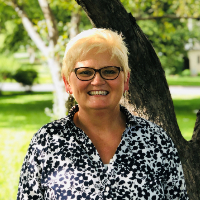
Shaun Cunningham
LMHP
Nebraska 25 years in practice
Compassionate therapist focused on practical parenting support
- Stress, Anxiety
- Family
- Trauma and abuse
Therapists for parents
66 therapists based in Nebraska list parenting among the things they work with. Sessions are online; a therapist can usually only see people in the states where they hold a licence, so check each profile.
Welcome to Parent Therapists' Nebraska directory for online therapy, created to help you find licensed professionals across the state. All therapists listed here are licensed in Nebraska and include information on specialties, approaches, credentials, and languages. Explore the listings below to find profiles that match what you and your family need.
LMHP
Nebraska 25 years in practice
Compassionate therapist focused on practical parenting support
LIMHP
Nebraska 17 years in practice
Practical, skills-based therapy for everyday challenges
LIMHP
Nebraska 10 years in practice
Parenting-focused counselor who listens and guides
LMHP, LPC
Nebraska 35 years in practice
Supportive counselor for parenting and relationships
LMHP
Nebraska 27 years in practice
Experienced Nebraska therapist focused on parenting and life changes
LIMHP
Nebraska 8 years in practice
Compassionate practical therapy for everyday challenges
LIMHP
Nebraska 18 years in practice
Practical support for stress and parenting concerns
LMHC, LMHP
Nebraska 30 years in practice
Gentle, practical counseling for life's hard moments
LIMHP
Nebraska 3 years in practice
Support for parents facing stress and change
LIMHP
Nebraska 19 years in practice
Practical, relationship-focused therapy for life challenges
LIMHP
Nebraska 11 years in practice
Practical, present-focused therapy for everyday challenges
LMHP
Nebraska 21 years in practice
Helping people build confidence and cope with life changes
LCPC, LPC
Nebraska 14 years in practice
Calm, practical support for parents
LIMHP
Nebraska 15 years in practice
Experienced Nebraska mental health practitioner
LIMHP
Nebraska 50 years in practice
A steady, experienced guide for life changes
LIMHP
Nebraska 31 years in practice
Practical, experienced support for parenting and relationships
LIMHP
Nebraska 6 years in practice
Compassionate practical help for parenting and life changes
LMHP
Nebraska 4 years in practice
Support for parents navigating stress and change
LIMHP
Nebraska 3 years in practice
Compassionate, practical support for change
LPC, LMHP
Nebraska 10 years in practice
Supportive counselor for parents and adults
LMHP
Nebraska 8 years in practice
Practical support for parenting stress and change
LMFT
Nebraska 10 years in practice
Dedicated therapist for relationships and parenting
LMHP
Nebraska 5 years in practice
Compassionate practical support for parents
LIMHP
Nebraska 3 years in practice
Supportive guidance for stressed parents
LMHP
Nebraska 7 years in practice
Compassionate support for stressful life changes
LIMHP
Nebraska 7 years in practice
Compassionate, practical support for everyday parenting challenges
LISW, LIMHP
Nebraska 15 years in practice
Calm, practical support for parents and families
LMHP
Nebraska 20 years in practice
Supportive therapist for parenting and life changes
LMHC, LIMHP
Nebraska 25 years in practice
Helping parents navigate change and stress
LIMHP, LMHP
Nebraska 16 years in practice
Support for stressed parents and individuals
LIMHP
Nebraska 9 years in practice
Supportive therapist for busy parents
LIMHP
Nebraska 17 years in practice
Practical, collaborative care for parenting and life challenges
LIMHP
Nebraska 26 years in practice
Practical, experience-based help for life changes
LIMHP
Nebraska 9 years in practice
Compassionate, practical therapy for everyday challenges
LMHP
Nebraska 3 years in practice
Supportive, practical therapy for parenting and life changes
LMHP, LIMHP
Nebraska 8 years in practice
Helping parents build practical coping skills
LMHC, LCMHC
Nebraska 11 years in practice
Practical, strengths-focused support for parents
LMHP
Nebraska 40 years in practice
Experienced mental health practitioner focused on parenting and recovery
LIMHP
Nebraska 6 years in practice
Supportive, skills-focused therapy for everyday challenges
LIMHP
Nebraska 6 years in practice
Compassionate, practical support for everyday challenges
LIMHP
Nebraska 10 years in practice
Calm, practical support for parents and life changes
LIMHP, LMHP
Nebraska 8 years in practice
Supportive therapist for parenting and life stress
LMHP
Nebraska 15 years in practice
Compassionate support for parents and individuals
LPC, LIMHP
Nebraska 15 years in practice
Guide for rebuilding after setbacks
LMHC, LIMHP
Nebraska 3 years in practice
Practical, story-focused counselor for parents
LMHP
Nebraska 34 years in practice
Experienced LMHP focused on parenting and life change
LMHP
Nebraska 20 years in practice
Skilled, steady support for parents and individuals
LMHC, LIMHP
Nebraska 17 years in practice
Practical, goal-focused support for parents
Some links on this page are partner links. We will earn a commission if you sign up through one, at no cost to you. It does not change what you pay or the order of the listings.
In recent years, online therapy has become a widely used option for families across Nebraska, bridging the distance between urban centers and rural towns. Many clinicians offer virtual sessions using video or phone-based formats, allowing you to meet with a therapist from your home, office, or a caregiver's location. State rules require that clinicians who provide care to Nebraskans be licensed in Nebraska, and the profiles in this directory reflect that requirement. Because online sessions remove travel time and can be scheduled more flexibly, they have become a practical choice for parents balancing work, school runs, and family obligations.
Whether you live near Omaha or in a more remote county, online therapy can improve access to clinicians who focus on parenting, child development, adolescent concerns, and family relationships. Some therapists offer sessions aimed at parents only, while others work directly with children or run joint family sessions. You will often find therapists who list a range of approaches among their methods, and many include details about the ages and populations they typically work with so you can assess fit from a distance.
Choosing online therapy can bring practical benefits that matter when you are juggling family life. Virtual sessions remove commuting time and reduce scheduling friction, which makes it easier to keep regular meetings without rearranging an entire day. For parents with young children or for caregivers living in areas with fewer in-person specialists, virtual care can connect you with clinicians who focus on infant-parent relationships, behavior strategies, or adolescent mental health without the need to travel long distances.
Many families appreciate that online sessions allow them to meet in a familiar setting, which can help children and teens feel more at ease. If language needs are important for your family, the ability to search by languages on therapist profiles makes it easier to find someone who can communicate comfortably with you and your child. Online therapy also supports continuity during life transitions - moving between homes, changes in school schedules, or family medical needs - because a consistent therapeutic relationship can be maintained even when your routine shifts.
Therapists in Nebraska who offer online sessions work with a wide range of parenting and child-focused concerns. You can expect to find clinicians who address parenting stress, child behavior challenges, difficulties with sleep or feeding in early childhood, adolescent mood or anxiety concerns, and relationship tensions within families. Therapists also assist with transitions such as separation, blended family adjustments, grief after loss, and school-related stress. Some clinicians describe work with developmental or neurodiverse profiles, offering strategies for daily routines, social skills, and school collaboration.
The approaches listed on therapist profiles vary. You may see clinicians who list cognitive-behavioral techniques among their approaches for managing anxiety and mood concerns, those who list family systems approaches for relational work, or those who list play-based methods for engaging younger children. If a clinician notes that they list EMDR among their approaches, that indicates they include that modality in their practice descriptions, but it does not imply a specific certification or credential beyond what is recorded on their profile. Reading profiles closely will help you identify which approaches align with your goals.
Confirming licensure is an important step when you are deciding which clinician to contact. In Nebraska, therapist licensure is overseen by state licensing authorities that maintain online lookup tools. When you search a license record, look for the clinician's legal name, license type - such as counselor, social worker, or marriage and family therapist - and the status of that license. You can also check for any public disciplinary actions, the date of license issuance, and the expiration date. These data points give you objective information about a clinician's standing with the state licensing board.
When you review a license lookup, verify that the license is listed as active and that the professional practices in a field appropriate to your needs. If you have questions about the license record or if something seems unclear, state licensing offices typically offer phone or email support to explain records and next steps. Keeping a note of the license number and the licensing board's contact details can be helpful if you need to follow up or confirm details before beginning work with a clinician.
Beginning online therapy often starts with reviewing therapist profiles to identify clinicians who list relevant specialties, approaches, and experience with the age range you are seeking. Pay attention to descriptions of the populations they serve - for example, clinicians who describe work with expectant parents, infants, school-age children, or adolescents - and to any notes about languages they speak. Credentials listed on profiles, such as licensed professional counselor or licensed social worker, tell you the type of clinical training and regulatory category, but they do not describe the specific methods a clinician employs. Profiles that mention session format, typical appointment length, and general approach can help you narrow choices.
Before your first meeting, consider what you hope to accomplish and which family members will take part. Having a short list of goals or concerns can help you use the session time efficiently. Select a quiet, comfortable environment where you and your child can focus, and check that your internet connection, camera, and microphone are working. If technology is new for you, many clinicians offer brief orientation notes on their profiles about how sessions typically run and what platform they use, so you can be ready in advance. If you need an interpreter or prefer communication in a language other than English, review profile language listings and mention this when you reach out.
When choosing a therapist, focus on how well their specialties, therapeutic approaches, credentials, and experience align with your needs. Look for clinicians who describe work with the specific issues you want addressed and who communicate a practice style that feels compatible with your family - whether that means a skills-based approach for behavior management, a relational focus for family dynamics, or a strengths-based style for resilience and parenting support. You can also note practical details like session length, whether they describe offering parent-only consultations, and the age ranges they typically work with. These elements help you form reasonable expectations about how a clinician may support your goals.
Finding the right online therapist in Nebraska can feel like an important first step toward support for you and your family. By using profile details, verifying licensure, and preparing thoughtfully for your first session, you can identify clinicians whose approach and experience align with your needs. Explore the listings on this page to review specialties, approaches, credentials, and language options, and take the next step when you find a profile that fits what you are looking for.