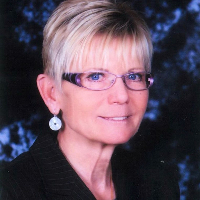
Garlena Rumsey
LPC
Idaho 40 years in practice
Experienced counselor for parenting stress
- Stress, Anxiety
- LGBT
- Relationship
Therapists for parents
72 therapists based in Idaho list parenting among the things they work with. Sessions are online; a therapist can usually only see people in the states where they hold a licence, so check each profile.
Welcome to Parent Therapists' directory for online therapists serving Idaho. All therapists listed here are licensed to practice in Idaho; explore profiles to compare approaches, credentials, languages, and experience.
LPC
Idaho 40 years in practice
Experienced counselor for parenting stress
LPC
Idaho 5 years in practice
Practical, calm counseling for parents and adults
LCSW
Idaho 27 years in practice
Support for parenting and life changes
LPC
Idaho 5 years in practice
Practical support for stress and parenting challenges
LCSW
Idaho 13 years in practice
Compassionate, practical therapy for everyday challenges
LCSW
Idaho 37 years in practice
Experienced LCSW focused on practical support
LPC
Idaho 6 years in practice
Calm, practical support for parents and caregivers
LCPC
Idaho 8 years in practice
Helping parents build practical skills and calm
LCSW
Idaho 20 years in practice
Experienced LCSW focused on practical parenting support
LCPC
Idaho 9 years in practice
Supporting parents through stress and life changes
Idaho 10 years in practice
Experienced counselor focused on purpose and practical change
LCSW
Idaho 13 years in practice
Calm, practical support for real-life parenting stress
Idaho 17 years in practice
Compassionate, practical support for parents and adults
LCSW
Idaho 9 years in practice
Compassionate social worker for parenting stress
Idaho 4 years in practice
Practical support for parents under stress
LCSW
Idaho 14 years in practice
Compassionate LCSW helping parents and individuals
LPC
Idaho 3 years in practice
Supportive counseling for parenting and stress
LCPC
Idaho 9 years in practice
Practical support for stressed parents and adults
LCPC
Idaho 10 years in practice
Compassionate practical therapy for everyday challenges
LPC
Idaho 6 years in practice
Supportive counselor for parenting and life changes
LCPC
Idaho 11 years in practice
Helping adults build coping skills and clarity
LMFT
Idaho 16 years in practice
Practical support for stressed and overwhelmed parents
LCSW
Idaho 9 years in practice
Flexible therapy for busy parents and caregivers
Idaho 8 years in practice
Support for stress and parenting challenges
LPC
Idaho 8 years in practice
Thoughtful counselor for parenting stress
LPC
Idaho 4 years in practice
Compassionate practical support for parenting and relationships
LCSW
Idaho 11 years in practice
Person-centered LCSW focused on practical change
LCSW
Idaho 13 years in practice
Calm, practical support for everyday struggles
LPC
Idaho 5 years in practice
Practical support for stressed and anxious parents
LPC
Idaho 10 years in practice English, French
Compassionate, practical help for parents and individuals
LCPC
Idaho 29 years in practice
Practical support for stressed parents
LPC
Idaho 6 years in practice
Focused, practical counseling for parents
LMHC, LCPC
Idaho 20 years in practice
Practical support for parenting and relationship challenges
LCPC
Idaho 6 years in practice
Practical counseling for parents and stress
LCSW
Idaho 17 years in practice
Practical support for stress and parenting
LCSW
Idaho 3 years in practice
Supportive, goal-focused help for parents
LCSW
Idaho 7 years in practice
Practical, skills-based support for life changes
LMHC, LCSW
Idaho 7 years in practice
Practical, neurodivergent-affirming therapy
LPC
Idaho 9 years in practice
Compassionate counselor for life transitions
LPC
Idaho 3 years in practice
Guiding practical change with honest, caring support
LCPC
Idaho 14 years in practice
Compassionate practical support for everyday parenting challenges
LPC
Idaho 7 years in practice
Practical support for stress and parenting challenges
LCSW
Idaho 6 years in practice
Parenting-focused LCSW who prefers practical tools
LPC
Idaho 4 years in practice
Person-centered counselor for parenting and trauma
LCSW, LMHC
Idaho 26 years in practice
Compassionate clinician for parenting stress
LCSW
Idaho 5 years in practice
Warm, practical support for parenting and family life
LCSW
Idaho 9 years in practice
Workable steps for stressful parenting and life
LPC
Idaho 12 years in practice
Compassionate trauma-informed counselor
Some links on this page are partner links. We will earn a commission if you sign up through one, at no cost to you. It does not change what you pay or the order of the listings.
If you live in Idaho and are exploring online therapy options, you will find a range of licensed clinicians offering remote sessions. In recent years, many counselors, clinical social workers, marriage and family therapists, and psychologists have added virtual sessions to their practice models to meet the needs of families who prefer or require distance care. When you search listings you will often see practitioners describe the populations they work with, the age ranges they serve, the languages they speak, and the therapeutic approaches they use. It is common to encounter therapists who list cognitive behavioral therapy among their approaches, family systems work, or parent coaching as part of their specialties.
Because regulation varies by profession and state, it is important to know that therapists provide telehealth in different ways. Some focus on teletherapy only, while others combine in-person and online sessions. If you live in a rural community, online sessions can broaden the pool of clinicians you can access. For urban residents, virtual appointments can offer additional scheduling flexibility and continuity when in-person visits are difficult. Your goal in this phase is to identify professionals whose profile language and stated experience match the parenting, family, or child concerns you are bringing forward.
Online therapy can reduce travel time and make it easier to fit counseling into a busy family schedule. If you live far from the nearest clinic, you no longer need to drive long distances or arrange childcare every time you meet with a counselor. Remote sessions can also allow both parents to participate more easily when needed, since participants can join from different locations. For families managing work, school, and caregiving, that flexibility can make consistent care more achievable.
Beyond convenience, online therapy can increase access to clinicians who specialize in particular issues that may not be available locally. You may find therapists who list strengths-based parenting, behavior management, perinatal mental health, or blended-family dynamics among their areas of focus. Working virtually also allows you to practice strategies in the setting where challenges arise, such as coaching a parent through bedtime routines or using role plays during family meetings. Many people also appreciate the ability to connect with a therapist who shares their language or cultural background when in-person options are limited.
Online therapists in Idaho support a wide range of concerns relevant to parents and families. You will commonly find clinicians who list experience with anxiety, depression, stress related to parenting, and adjustment to life changes. Many profiles also note work with child behavior challenges, co-parenting after separation, and relationship strain between partners. Perinatal and postpartum concerns are frequently addressed, as are grief, trauma, and developmental questions when families want guidance.
Some therapists highlight approaches for parenting-specific goals, such as improving parent-child communication, managing oppositional behaviors, and supporting children with attention or learning challenges. Others frame their practice around family systems, helping you consider how sibling relationships, extended family dynamics, or changing household roles affect daily life. You may also encounter therapists who list trauma-informed care among their approaches or who list EMDR among their approaches; when you review profiles, look for language that clarifies how an approach is used rather than assuming a specific certification or training level.
Before starting with a clinician, it is wise to confirm their license status. You can verify licensure through official state licensing resources by searching the clinician's name or license number. When you use the state license lookup, check the license type listed, the issue and expiration dates, and whether the license is listed as active. The lookup may also show any disciplinary actions, public orders, or restrictions that are part of the public record. Common license categories you will see include Licensed Professional Counselor, Licensed Clinical Social Worker, Licensed Marriage and Family Therapist, and psychologist credentials like PhD or PsyD. Keep a record of the license number and the date you checked it for your files.
Be aware that regulatory rules generally require a therapist to be licensed in the state where you are physically located when you receive services. If a clinician practices across state lines, confirm that their license authorizes them to provide care to someone residing in Idaho. If you have questions about what the public portal shows, you can contact the state licensing office for clarification about the listed status and any disciplinary history.
Getting started often begins with reviewing profiles to identify clinicians whose stated focus and approach align with your needs. When you find a promising profile, consider reaching out to request an initial conversation or intake information. In that first contact you can ask practical questions about session length, fees, payment methods, whether they accept insurance or use a sliding scale, and which languages are spoken. Many therapists list their approaches and populations served in their profiles, so use that information to guide your initial questions.
For the technical side of teletherapy, confirm the platform they use for video sessions and what device you will need. It helps to plan for a stable internet connection, use a headset for clearer audio if possible, and choose a quiet, quiet space where you feel comfortable speaking. Prepare any relevant information about past therapy, medications, or recent assessments if applicable. Also ask how the clinician handles emergencies or crises that may occur between sessions so you understand the safety plan and local resources available to you.
Choosing a therapist is a personal process that balances clinical focus, communication style, and practical considerations. Start by looking for clinicians who describe experience with the specific concerns you want to address - for example, parenting support, adolescent behavior, perinatal mood concerns, or blended-family transitions. When profiles list approaches, note whether those approaches sound like a fit for how you prefer to work. Therapists who list motivational interviewing among their approaches may emphasize collaborative goals, while those who list family systems work may focus on relational patterns within the household.
Consider cultural fit and language as part of the decision. If cultural competence or a specific language is important to you, prioritize clinicians who list those qualities in their profiles. It is also reasonable to choose a clinician whose communication style matches yours - some practitioners are highly directive and skills-focused, and others take a more exploratory, reflective stance. You can get a sense of style from profile language and from any initial consultation you arrange. Finally, think about practical factors such as fee structure, session length, and whether the clinician's stated specialties align with your short-term and long-term goals. If after a few sessions you do not feel a good fit, you can discuss alternative referrals; finding the right therapeutic relationship often involves some trial and refinement.
Online therapy in Idaho can open new pathways to support for parents and families. By verifying licensure, clarifying approach and logistics, and choosing a clinician whose focus and style match your needs, you create conditions that make meaningful work possible. Use the directory listings to compare credentials, languages, and experience, and take the first step toward the kind of parenting or family support that suits your situation.